













Modern lifestyle often dictates that the vast majority of our time is spent inside, where air quality can degrade unnoticed. Everyday tasks like searing a meal, using household cleaners, or simply having pets can introduce a variety of pollutants into our living spaces. These contaminants accumulate through off-gassing from furniture, moisture-induced growth, and outdoor particles drifting inside. Because the origins of indoor pollution are diverse, a single device—such as a portable air purifier—is rarely a complete solution. Instead, creating a healthy breathing environment requires a multi-layered approach that includes identifying pollutants, managing them at the source, ensuring proper airflow, and using targeted filtration as a final layer of defense.
Public health experts generally categorize effective air management into three pillars: source control, strategic ventilation, and supplemental filtration. The most effective combination for any specific home depends on the local environment, the age and condition of the structure, and the specific sensitivities of the occupants.
Identifying the Most Common Indoor Contaminants
Particulate matter and smoke are frequently introduced through high-heat cooking, candle burning, wood-burning fireplaces, and tobacco use. These microscopic particles often travel far beyond the room where they were generated and can stay suspended in the air for extended periods. While visible dust on a table is a sign of larger particles, the most concerning pollutants are often those too small to be seen with the naked eye.
Biological triggers include elements like mold spores, dust mites, pollen, and pet dander. These issues are frequently tied to humidity levels; moisture control and routine cleaning are essential for preventing these biological agents from colonizing indoor spaces.
Gaseous pollutants and chemical vapors originate from sources like fresh paint, strong solvents, adhesives, and even new carpeting or upholstery. Combustion-based appliances, including gas stoves and water heaters, can also emit harmful gases. It is vital to distinguish these from standard particles; for instance, carbon monoxide is a lethal hazard that requires specialized detectors, as a standard particle filter cannot remove it. Similarly, many basic air cleaners are designed for dust and may have little to no effect on chemical odors or volatile organic compounds.
Prioritize Source Control for Maximum Impact
The most efficient way to clean the air is to stop pollutants from entering it in the first place. This strategy, known as source control, is often more cost-effective and successful than trying to clean air that is already contaminated. Practical steps include utilizing high-efficiency range hoods while cooking, venting bathrooms to the outdoors during and after showers, and storing chemical products in airtight containers or outdoor sheds.
For example, if a home experiences heavy condensation on windows or lingering food smells, the first step should be improving moisture management and using kitchen exhaust fans rather than relying solely on a portable filter. Some complex issues, such as suspected asbestos, lead paint dust, or significant mold infestations, should always be handled by certified professionals to avoid spreading the contamination further.
Strategies for Effective and Safe Home Ventilation
Ventilation is the process of diluting indoor air with fresh air from the outside. While opening windows is the simplest method, it must be done strategically. It is important to consider the outdoor air quality index, local pollen counts, and safety. Mechanical systems, such as heat recovery ventilators or properly ducted exhaust fans, should be serviced regularly to ensure they are performing as intended.
However, ventilation is not always appropriate. During periods of high traffic, nearby construction, or wildfire smoke events, bringing in outdoor air can actually increase the pollutant load inside. Checking local air quality reports before venting the home is a sensible habit. Additionally, while sealing air leaks is great for energy bills, a home must still maintain a balance of fresh air exchange to prevent the buildup of stale pollutants.
Integrating Air Filtration as a Secondary Defense
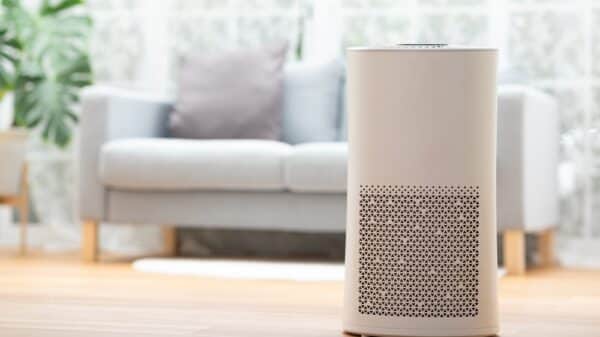
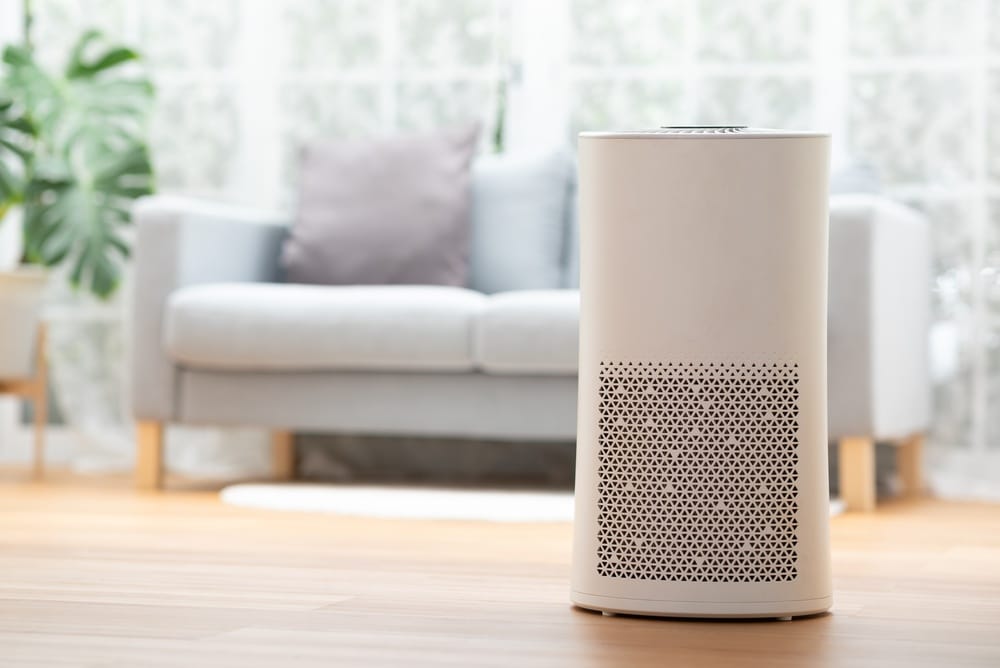
While portable air cleaners and high-efficiency HVAC filters are valuable, they are most effective when viewed as a supplement to the primary methods of source control and ventilation. When selecting or using filtration, consider the following technical factors:
- Targeted Filtration: High-efficiency filters are designed to capture airborne particulates, but they must be correctly sized for the specific square footage of the room.
- Odor and Gas Removal: Filters containing significant amounts of activated carbon can help neutralize certain odors and chemicals, though their lifespan and capacity vary.
- Airflow Rates: A device must be able to circulate and process enough air to actually lower the concentration of pollutants in a given space.
- Routine Upkeep: Filters have a finite lifespan. Neglecting the replacement schedule can lead to decreased airflow and a total loss of cleaning efficiency.
Homeowners should also ensure that their HVAC system is rated for higher-efficiency filters before upgrading. Using a filter that is too thick or restrictive can put undue stress on the furnace or air conditioning motor, potentially leading to equipment failure. Remember that filtration only addresses airborne pollutants; it does not remove dust that has already settled on furniture or floors.
Selecting Targeted Solutions for Specific Air Quality Issues
- For Dampness or Mold: Focus on repairing leaks, reducing indoor humidity, and removing impacted porous materials.
- For Cooking Byproducts: Always use a vented range hood and ensure pots are covered to reduce moisture and grease particles.
- For Seasonal Allergies or Wildfire Smoke: Keep windows closed during peak times and rely on high-efficiency particle filtration.
- For Pet Dander: Combine regular vacuuming and fabric care with a filtration unit positioned in the rooms where pets spend the most time.
- For Chemical Fumes: Remove the source of the smell or use specialized carbon filtration while increasing ventilation with clean outdoor air.
- For Carbon Monoxide Concerns: Never rely on an air purifier. Install dedicated CO alarms and evacuate the premises immediately if they sound.
Monitoring Progress and Assessing Air Quality Improvements
To determine if your efforts are working, it helps to identify the most likely sources of pollution first. Keeping a simple log of when you notice odors or symptoms can reveal patterns linked to specific activities or weather conditions. While consumer-grade air quality monitors can show useful trends in particulate levels, they should be used as a general guide rather than a precise scientific instrument. If air quality issues persist despite these efforts, or if you suspect structural issues like mold behind walls, a professional inspection is the safest next step.
Establishing a Sustainable Indoor Air Maintenance Routine
- Conduct regular checks for signs of moisture, such as water spots or persistent window fogging.
- Eliminate or isolate known pollutant sources, such as unsealed chemicals or indoor tobacco use.
- Use mechanical ventilation (fans and hoods) during tasks that create moisture or smoke.
- Stay current on HVAC and air cleaner filter replacements.
- Regularly clean soft surfaces like rugs and curtains where particulates tend to accumulate.
- Re-evaluate your strategy periodically rather than just adding more devices to the home.
Final Thoughts on Creating a Healthier Breathable Environment
Improving the air you breathe at home is most successful when you apply a combination of small, consistent actions. By focusing on source control as your first line of defense, using ventilation wisely when outdoor conditions are favorable, and maintaining proper filtration, you create a robust system for cleaner air. The most effective strategy is one that adapts to the specific needs of your household and the pollutants present. Start by addressing the most obvious source of air contamination in your home today, and monitor the results to build a healthier living space over time.