















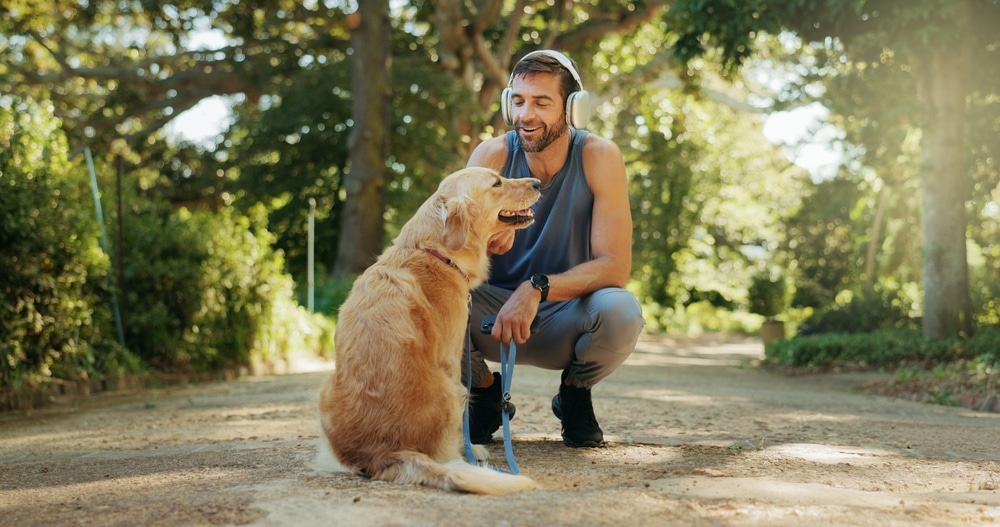
For most pet owners, incorporating a dog into their daily routine often involves a casual stroll around the block or a quick visit to the local park. While these activities are beneficial, transitioning to more structured exercise, such as running or outdoor workouts, can significantly amplify the health outcomes for both the human and the animal. Integrating your dog into your fitness journey is about more than just movement; it is a holistic approach to improving physical conditioning, mental clarity, and the unique emotional connection you share with your pet.
The Advantages of Having a Canine Training Partner
One of the primary hurdles in maintaining a fitness regimen is finding the motivation to stay consistent. Life often presents distractions, but dogs are creatures of habit who thrive on predictable routines. Their natural enthusiasm for outdoor activity serves as a powerful catalyst, encouraging owners to stick to their exercise schedules even on days when personal motivation might be low.
A dog is a remarkably reliable workout companion. Unlike human partners who may have scheduling conflicts, a dog is almost always eager to participate. This level of reliability helps owners establish a disciplined lifestyle. Furthermore, high-energy breeds require vigorous activity to stay balanced. Engaging in activities like jogging or trail running allows these pets to expel pent-up energy, which in turn helps owners build better cardiovascular endurance and stamina.
To ensure these outings are productive, having access to the right gear is essential. Utilizing appropriate harnesses and lead systems designed for active use can make the experience safer and more controlled for everyone involved.
Shared Physical Health Improvements for Owners and Pets
Engaging in regular aerobic exercise with a dog provides a substantial boost to physical health. Activities that elevate the heart rate contribute to better weight management and a lower risk of chronic health conditions. For the owner, a consistent running routine offers several key physiological gains:
- Enhanced cardiovascular function and heart health.
- Increased metabolic rate and caloric burn.
- Improved muscular development and overall body tone.
- Greater long-term energy levels and physical resilience.
These benefits extend to the canine as well. Regular, vigorous movement helps dogs maintain an ideal weight, which is crucial for protecting their joints and preventing obesity-related complications. Staying active through adulthood can lead to a more mobile and comfortable life for a dog as they enter their senior years.
Boosting Mental Health and Lowering Stress through Active Play
Physical activity is a proven method for enhancing mental well-being. The “runner’s high,” caused by the release of endorphins, helps to alleviate stress and elevate one’s mood. When a dog is included in this process, the psychological benefits are often doubled. The companionship of an animal, combined with the therapeutic effects of nature, can lead to reduced anxiety and a greater sense of emotional stability.
Owners frequently find that exercising with their pets makes the workout feel less like a chore and more like a rewarding social interaction. Dogs also reap significant neurological rewards from exercise. Physical exertion provides necessary mental stimulation, which helps reduce boredom and can mitigate common behavioral issues that stem from a lack of activity.
Nurturing the Connection Between You and Your Dog
Shared activities are the foundation of a strong human-animal bond. Running together is a collaborative effort that requires communication and mutual trust. As you move together, your dog learns to respond to subtle cues, maintain a consistent pace, and stay focused on the task at hand. In turn, owners become more perceptive of their dog’s body language, breathing patterns, and overall physical limits.
This synchronization fosters a deeper level of understanding. Over time, the workout evolves from a simple physical task into a meaningful bonding ritual that reinforces the partnership between the owner and their companion.
Essential Safety Tips for Running with Your Dog
While many dogs are natural runners, it is important to approach a new fitness routine with caution. Factors such as a dog’s age, breed, and current health status should dictate the intensity of the workout. To ensure a safe experience, consider the following guidelines:
- Progress Gradually: Slowly increase the duration and speed of your runs to allow your dog’s muscles and paw pads to adapt.
- Prioritize Hydration: Always bring enough water for both yourself and your pet, especially during humid or warm conditions.
- Choose the Right Terrain: Whenever possible, opt for softer surfaces like grass or dirt trails, which are more forgiving on a dog’s joints than asphalt or concrete.
- Observe Behavior: Keep a close eye on your dog for signs of overexertion, such as heavy panting, lagging behind, or limping.
- Use Quality Equipment: A well-fitted, ergonomic harness provides better control and comfort than a standard collar during high-impact activities.
Final Thoughts on Building a Healthier Lifestyle Together
Incorporating your dog into your exercise routine is a transformative choice that yields benefits far beyond the physical. It fosters a lifestyle of consistency, improves heart health, and serves as a powerful tool for stress reduction. By viewing your dog as a dedicated training partner, you create a pathway toward a more active and fulfilling life for both of you. Ultimately, the time spent exercising together strengthens the heart, the body, and the irreplaceable bond between human and pet.