












As the weather warms and outdoor training picks up, the blender often becomes the most used tool in the kitchen. When crafted with intention, a smoothie is more than just a refreshing beverage; it is a nutrient-dense powerhouse designed to accelerate recovery and provide a sustained energy boost. However, without a strategic approach, these popular fitness drinks can easily transform from a health-conscious choice into a nutritional setback. Building a superior smoothie requires understanding the science of ingredient synergy and caloric density.
Determining the Ideal Calorie Count for Your Daily Smoothie
While high-intensity training may justify a higher caloric intake, it is vital to monitor the energy density of your shakes. It is surprisingly easy to create a “calorie bomb” by overusing energy-dense ingredients like nut butters, multiple scoops of protein, and full-fat dairy. This is a critical consideration because liquid calories generally do not provide the same level of satiety as whole foods. A 500-calorie shake will rarely keep you feeling as full as a 500-calorie solid meal. As a general guideline, aim to keep your smoothie around 400 calories. You may increase this limit slightly if the shake is serving as a complete meal replacement or follows an exceptionally demanding workout.
Understanding Why Bananas Might Limit Flavanol Benefits
Bananas are a staple in fitness smoothies due to their natural sweetness, creamy texture, and cost-effectiveness. However, recent research suggests they may interfere with the nutritional value of other ingredients. A study from the University of California, Davis, revealed that blending bananas with berries can significantly inhibit the body’s ability to absorb flavanols. These heart-healthy antioxidants are found in abundance in blueberries, grapes, and cocoa.
The culprit is an enzyme in bananas known as polyphenol oxidase (PPO). High levels of PPO can break down flavanols before the body can utilize them. This does not mean bananas are inherently “bad,” but they may not be the optimal choice if your goal is to maximize the antioxidant intake from your berry-based shakes. For those looking to preserve flavanol absorption, consider using low-PPO fruits like mango, pineapple, or oranges as a base instead.
Creating a Balanced Profile of Protein, Carbohydrates, and Fats
A truly effective smoothie should mirror the macronutrient balance of a healthy meal. Rather than focusing solely on protein, aim for a synergy of all three macros to ensure sustained energy and muscle support. For complex carbohydrates and fiber, incorporate fruits, leafy greens, or even raw oats. For essential fatty acids, consider adding hemp seeds, flax, avocado, or a moderate serving of nut butter. Finally, anchor the drink with high-quality protein sources such as Greek yogurt, cottage cheese, or a clean protein powder. This balanced approach helps stabilize blood sugar and keeps you satisfied longer.
Selecting High-Quality Protein Powders Without Unwanted Additives
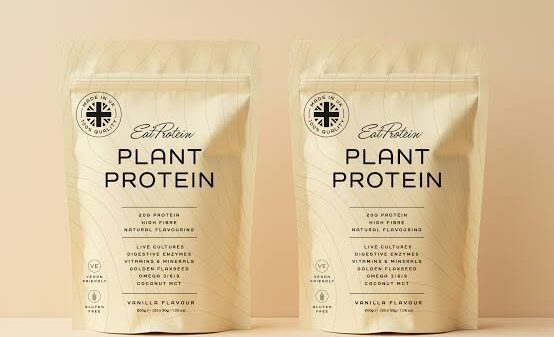
When choosing a protein supplement, the ingredient list is just as important as the protein count. Many commercial powders contain emulsifiers and gums (such as xanthan or guar gum) to improve mixability and shelf life. However, emerging research suggests that high consumption of these additives may negatively impact the gut microbiome and contribute to metabolic issues over time. While a single scoop occasionally is likely harmless, those who consume protein shakes daily should look for “clean” brands that avoid these additives. Look for products with minimal ingredients from transparent manufacturers to ensure you are fueling your body without unnecessary fillers.
The Benefits of Adding Sodium to Your Post-Training Shake
While excess salt is often discouraged, a small amount of sodium can be a game-changer for recovery. Adding a pinch of salt (approximately 1/8 of a teaspoon) to your post-workout smoothie can significantly aid in rehydration. Sodium is a key electrolyte that helps the body retain water more effectively after a session of heavy sweating. If your smoothie already contains naturally salty ingredients like cottage cheese, an extra pinch is likely unnecessary. Otherwise, this simple addition can help restore your electrolyte balance more efficiently than plain water alone.
Utilizing Vegetables to Boost the Nutritional Value of Your Blends
Smoothies offer a convenient way to increase your daily vegetable intake without sacrificing flavor. Ingredients like frozen cauliflower, steamed beets, and carrots blend easily and add bulk without a strong “vegetable” taste. Leafy greens like spinach are particularly beneficial; research published in Food Chemistry indicates that pureeing raw spinach can actually make its antioxidants more bioavailable. When combined with strong flavors like ginger, cocoa, or berries, these vegetables disappear into the texture, providing a massive nutritional boost without changing the dessert-like experience of the drink.
Strategies for Reducing Hidden Sugars in Homemade Smoothies
It is easy for a “healthy” drink to cross the line into “liquid candy” when multiple sources of sugar are involved. Fruit, honey, and flavored dairy alternatives can lead to an excessive sugar load. To keep your metabolic health in check, try to limit your smoothie to two sugar-containing ingredients. The natural sugars in fruit are usually sufficient for sweetness. Additionally, always opt for unsweetened versions of almond, soy, or oat milk to avoid the added sugars that are often hidden in “original” flavors.
Incorporating Spices for Flavor and Antioxidant Support
If your smoothie feels uninspired, the solution may be in your spice cabinet. Beyond adding depth of flavor, spices like cinnamon, ginger, and cloves are concentrated sources of antioxidants. Cinnamon can help with blood sugar management, while ginger is well-known for its anti-inflammatory properties and digestive benefits. A dash of cayenne can even add a metabolism-boosting kick. These additions provide a sophisticated flavor profile without adding any extra calories or sugar.
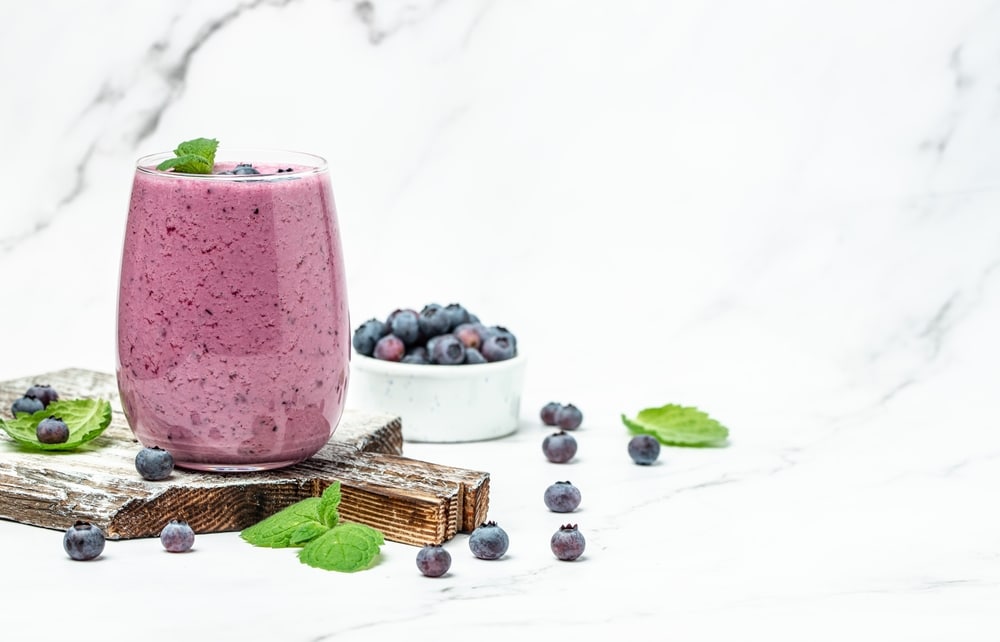
Protein-Rich Berry Cheesecake Smoothie Recipe
This recipe provides a perfect example of a macro-balanced, nutrient-dense recovery drink that satisfies cravings while supporting muscle growth.
- 3/4 cup milk of your choice (unsweetened)
- 3/4 cup cottage cheese (for protein and creaminess)
- 1 scoop vanilla or unflavored protein powder
- 1 tablespoon almond butter (for healthy fats)
- 1 teaspoon honey or maple syrup (optional)
- 1 teaspoon fresh lemon zest
- 1/4 teaspoon almond extract (optional)
- 1/4 teaspoon ground ginger
- 3/4 cup frozen blackberries or blueberries
Combine all ingredients in the blender in the order provided and process until the texture is completely smooth.
Summary of Best Practices for Fitness Smoothies
Building a better smoothie is about more than just tossing ingredients into a blender; it requires a balance of macronutrients and an awareness of how ingredients interact. By monitoring caloric density, choosing clean protein sources, and being mindful of how certain fruits like bananas affect antioxidant absorption, you can ensure your daily shake truly supports your fitness goals. Incorporating vegetables, spices, and a touch of salt for rehydration can elevate a standard protein drink into a comprehensive recovery tool that fuels your body and protects your long-term health.