













Surprisingly, the introduction of nutritious alternatives on a menu can often trigger people to make significantly less healthy dietary choices. This phenomenon is rooted in a fascinating and somewhat frustrating quirk of human psychology that influences how we perceive food and our own wellness goals.
In 2017, the United States implemented a federal mandate requiring national restaurant chains to display calorie counts. The logic was straightforward: providing consumers with transparent energy information would empower them to make better choices and stay within their daily caloric limits. However, the real-world impact was underwhelming. Research indicates that these labels are largely ineffective, reducing the average meal by a negligible eight calories. This lack of impact explains why some fast-food giants, such as McDonald’s, began implementing calorie labeling years before it was legally required; the industry realized that transparency didn’t necessarily threaten the sales of their most indulgent items.
The Paradox of Choice in Fast Food
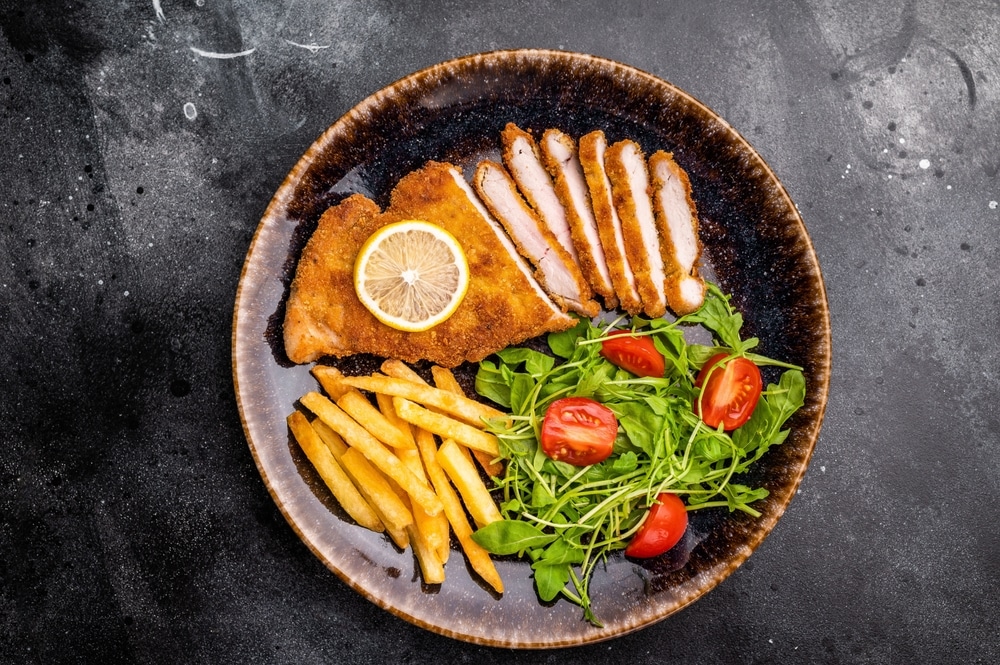
Adding a healthy item to a menu doesn’t just provide an alternative; it fundamentally changes how people view the remaining options. In various psychological experiments, researchers observed that the mere presence of a healthy choice can backfire. For example, when a menu offered only a choice between French fries and a neutral baked potato, only about 10% of participants chose the fries. However, when a third, much healthier option—a side salad—was added to the menu, the preference for French fries tripled to 33%.
A similar pattern emerged with main courses. When presented with a choice between a bacon cheeseburger, a chicken sandwich, or a fish sandwich, 17% of people opted for the burger. But when the fish sandwich was replaced with a veggie burger, the preference for the bacon cheeseburger surged to 37%. This suggests that the presence of a virtuous option provides a psychological “out” that encourages indulgence elsewhere.
Understanding Vicarious Goal Fulfillment
Researchers refer to this phenomenon as “vicarious goal fulfillment.” The theory suggests that simply seeing a salad or a veggie burger allows the brain to check off a mental “health goal” box. By acknowledging the healthy option, individuals feel they have addressed their wellness needs, which then grants them the internal permission to indulge in the unhealthiest item available. It is the mental equivalent of planning to eat well “next time,” which makes a poor choice today feel more acceptable.
The Trap of Self-Licensing
This behavior is closely linked to a psychological glitch known as self-licensing. This occurs when we use a perceived “good” action to justify a subsequent “bad” one. It’s the reason a person might justify eating a sugary snack because they lost weight the previous week, or skip a workout because they ate a salad for lunch. We essentially reward our progress with an indulgence that actively undermines that very progress.
This effect extends beyond food into other health behaviors. In one study, smokers who were given what they believed to be Vitamin C supplements smoked nearly twice as much as those who were told they were taking a placebo. Subconsciously, the smokers felt the “health boost” from the vitamin protected them, giving them a license to smoke more. Similarly, people who believed they were taking weight-loss supplements were found to exercise less, walk less, and choose more indulgent foods at a buffet compared to those who knew they were taking a placebo. They relied on the supplement for “protection,” which ironically led to more reckless health choices.
The “What the Hell” Effect and the Health Halo
Human psychology also falls prey to the “what the hell” effect. This happens when a person makes one small deviation from their diet and decides that since the day is “ruined,” they might as well go all the way and binge. When combined with vicarious goal fulfillment, this leads people to skip the middle-ground options and go straight for the most decadent item on the menu. For instance, when a “lower-calorie” cookie option was added to a selection of snacks, participants were twice as likely to choose the most indulgent, chocolate-covered version.
Furthermore, the “health halo” effect can dangerously warp our perception of calories. When a burger is shown alone, people tend to estimate its calorie count more accurately. However, when the exact same burger is shown with a side of celery sticks or an apple, people consistently estimate the total calorie count to be lower than the burger alone. The presence of the vegetable creates a “halo” that makes the entire meal seem healthier, leading people to believe calories have magically vanished.
Perception vs. Reality in Restaurant Dining
These psychological traps explain why people might consume more total calories at restaurants perceived as “healthy” than at traditional fast-food joints. Because a restaurant has a reputation for health, diners may feel “licensed” to order larger portions, extra sides, or sugary beverages, assuming the “healthy” nature of the main dish offsets the indulgence. Even a simple health message, such as an ad reminding people to eat more fruit, can lower the perceived calorie count of a fast-food burger in the consumer’s mind. Ultimately, the mere promotion of healthy items can increase consumer loyalty and brand image without actually improving the nutritional habits of the customers.
Summary of Psychological Eating Pitfalls
Navigating modern food environments requires an awareness of these mental shortcuts. To avoid the traps of self-licensing and the health halo effect, it is essential to evaluate every food choice on its own merits rather than viewing it through the lens of a “virtuous” option that happens to be nearby. Recognizing that a side of celery does not negate the calories in a burger, and that “considering” a salad is not the same as eating one, can help in making choices that truly align with long-term health goals. The key to better nutrition isn’t just having healthy options available, but understanding the psychological triggers that push us toward indulgence when those options appear.