










Maintaining high energy levels throughout a busy day can be a challenge, whether you are heading to the gym, finishing a long work shift, or traveling. While traditional options like coffee and energy drinks are popular, they come with practical drawbacks. Large volumes of liquid can be inconvenient to consume right before a workout, and the risk of spills makes them less than ideal for those on the move. Caffeine pouches have emerged as a streamlined alternative, providing a concentrated source of energy in a compact, drink-free format.
The Convenience of Portable Energy for On-the-Go Lifestyles
One of the primary advantages of caffeine pouches is their extreme portability. They easily fit into a gym bag, pocket, or purse without requiring any preparation. Unlike coffee or tea, there is no need for boiling water, refrigeration, or even a cup. This makes them a practical choice for individuals with demanding schedules, such as shift workers, students, or frequent travelers who need a quick energy boost without the logistics of a beverage.
For those who already incorporate caffeine into their daily routine, these pouches offer a more controlled way to manage intake. Because each pouch contains a specific amount, it is easier to track exactly how much caffeine you are consuming throughout the day compared to varying strengths of brewed coffee.
Low-Volume Energy Without Added Sugars or Liquids
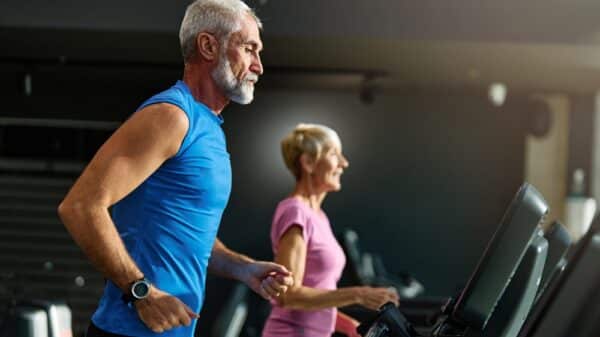
Many fitness enthusiasts prefer to avoid heavy liquid consumption immediately before intense physical activity. Drinking a large energy drink or a full cup of coffee can sometimes lead to gastrointestinal discomfort or a “sloshing” sensation during movement. Caffeine pouches solve this by delivering the desired stimulant without the added fluid volume. This can be particularly beneficial for runners or those participating in high-intensity interval training (HIIT).
Furthermore, these pouches are often a preferred choice for individuals looking to limit their sugar intake. While many energy drinks are loaded with sweeteners, pouches provide a direct alternative. However, it is important to remember that being sugar-free does not automatically make a product a “health food.” They are still stimulant-based products, and responsible use is essential.
Optimizing Performance Through Precision Timing
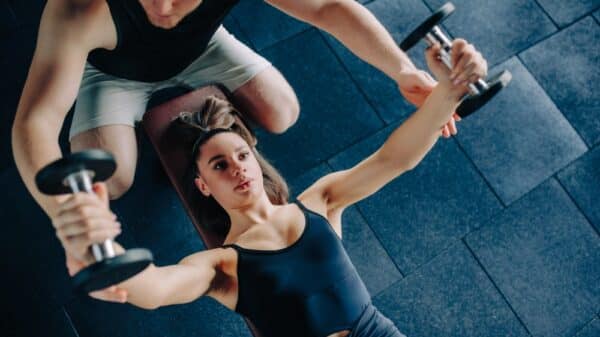
Caffeine is well-regarded in the fitness community for its ability to enhance alertness, focus, and overall training motivation. Pouches allow for more intentional timing; you can use one exactly when needed, such as right before a heavy lifting session or during a mid-afternoon slump. This precision helps users maximize the ergogenic benefits of caffeine exactly when their performance requires it most.
While timing can help performance, it must be balanced with sleep hygiene. Using any caffeine product too late in the evening can disrupt sleep patterns, leading to a cycle of fatigue where you rely on stimulants to compensate for a lack of rest. Maintaining a “caffeine-free” window before bed is crucial for long-term health and recovery.
Enhancing Workouts Without Compromising Recovery Basics
A caffeine boost can be the catalyst needed to start a workout when motivation is low or fatigue sets in. It provides a mental lift that helps you get “in the zone.” However, it is vital to recognize that caffeine is a tool, not a cure-all. It should never be used to mask the signs of chronic exhaustion or to replace fundamental recovery pillars like adequate sleep, balanced nutrition, and proper hydration.
If you find that you cannot perform any physical activity without a caffeine hit, it may be an indicator of underlying issues such as overtraining, high stress, or a significant caloric deficit. Relying on stimulants to push through a body that is genuinely depleted can eventually lead to burnout or injury. Always listen to your body’s signals and prioritize rest days when necessary.
Safety Considerations and Responsible Consumption Guidelines
Before integrating caffeine pouches into your routine, it is essential to read the labels carefully. Check the specific milligram count of caffeine per pouch and ensure the product is nicotine-free if that is your preference. It is also wise to audit your total daily caffeine consumption from all sources, including tea, soda, chocolate, and pre-workout supplements.
Health experts generally suggest that healthy adults should limit their caffeine intake to no more than 400 mg per day. This threshold is typically lower for those who are pregnant or breastfeeding. Additionally, caffeine products may not be suitable for individuals with certain health conditions, including heart disease, high blood pressure, anxiety disorders, or heart arrhythmias. If you are taking medication or have an existing medical condition, consulting a healthcare professional before use is recommended.
Final Thoughts on Integrating Caffeine Pouches Into Your Routine
Caffeine pouches offer a modern, efficient way for active adults to manage their energy levels without the bulk or sugar associated with traditional drinks. Their value lies in their portability and the ability to time consumption for maximum effect. However, they are most effective when used with intention and as a supplement to—not a replacement for—healthy lifestyle habits like consistent sleep and proper nutrition. By staying mindful of total daily intake and listening to your body’s needs, you can use these tools to support your fitness and professional goals safely.