













Globally, women’s health concerns continue to face significant hurdles, including a higher likelihood of being dismissed, misdiagnosed, or managed with ineffective treatments. According to research from the United Nations, systemic gaps in healthcare mean that many women do not receive the care they require because medical systems often fail to account for female-specific biological realities. Bridging this gap requires a multifaceted approach: more inclusive clinical research, better data collection, and the development of advanced diagnostic tools. Equally important is the need to foster open conversations about conditions that are frequently suffered in silence. For example, autoimmune disorders and chronic conditions like fibromyalgia disproportionately affect women, yet patients often wait years for a definitive diagnosis. Many other health issues remain hidden due to social stigma or a lack of public information regarding the necessity of early intervention.
Identifying and Managing Female Pattern Hair Loss
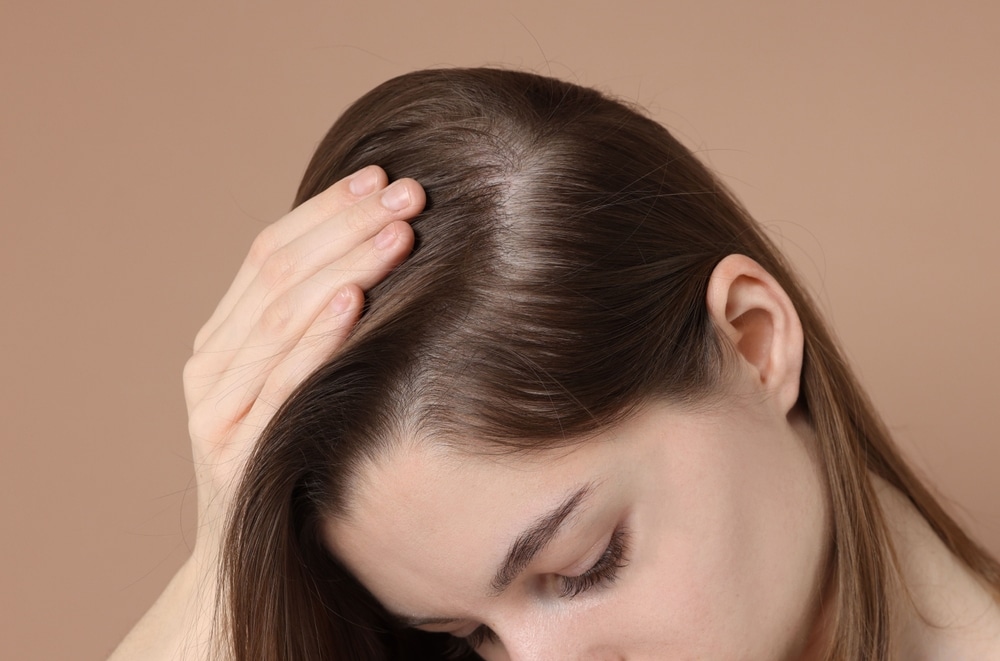
While hair loss is frequently associated with men, androgenetic alopecia—or female pattern hair loss—is actually the primary cause of thinning hair in women. Unlike male pattern baldness, which often starts with a receding hairline, hair loss in women typically manifests as diffuse thinning across the crown and a noticeable widening of the natural part. This condition is influenced by several factors, including genetic predisposition, hormonal shifts, stress, and the onset of menopause. Statistics indicate that approximately 40% of women will experience some degree of hair thinning by the age of 50, with the prevalence increasing in the postmenopausal years. Early detection is a critical factor in managing the condition effectively. Women have several options for slowing the progression of thinning, ranging from proactive lifestyle adjustments and over-the-counter topical applications to specialized professional treatments designed specifically for the female scalp.
Understanding Vulvodynia and Chronic Pelvic Discomfort
Vulvodynia is defined as chronic discomfort or pain in the vulvar region that persists for three months or longer without a clearly identifiable external cause. Those living with this condition often describe sensations of burning, stinging, or intense irritation. This can make routine activities, such as sitting for long periods or engaging in sexual intimacy, extremely painful or even impossible. Because there are often no visible physical symptoms, many women feel hesitant to discuss their concerns with a healthcare provider. However, leaving the condition unaddressed can lead to a decline in mental well-being and strain personal relationships. Research suggests that vulvodynia may be linked to previous vaginal infections, localized allergies, hormonal fluctuations, or weakness in the pelvic floor muscles. Fortunately, various management strategies exist, including the use of hormone-based creams, nerve blocks, and antihistamines. Additionally, specialized pelvic floor physical therapy has proven highly effective in alleviating symptoms and restoring a patient’s quality of life.
The Impact of Pelvic Congestion Syndrome on Women’s Health
Pelvic Congestion Syndrome (PCS) is a chronic health issue rooted in vascular dysfunction. It occurs when the valves in the pelvic veins fail to function correctly, causing blood to pool and the veins to become enlarged. This results in a persistent heavy, aching, or “dragging” sensation in the lower abdomen that typically intensifies throughout the day or after sexual activity. Most patients find that the pain subsides significantly when lying down. In some instances, the discomfort may worsen during menstrual cycles or after lifting heavy objects. Visible signs can include varicose veins on the vulva, thighs, or buttocks, sometimes accompanied by bloating and an increased urgency to urinate. Because these symptoms mirror other conditions like irritable bowel syndrome (IBS), uterine fibroids, or endometriosis, PCS is frequently overlooked during initial consultations. If these symptoms are present, it is helpful to discuss specific imaging options with a doctor, such as a transvaginal duplex ultrasound, MRI, or CT scan. Treatment often involves pelvic vein embolization—a procedure to close off the affected veins—or targeted medications to manage the pain.
Recognizing the Symptoms of Lichen Sclerosus
Lichen sclerosus is a chronic, inflammatory skin disorder that primarily targets the genital area. It is characterized by thinning skin, persistent itching, and significant discomfort. While the condition is most frequently diagnosed in postmenopausal women, it can affect individuals of any age. Seeking a prompt diagnosis is essential because untreated lichen sclerosus can lead to permanent scarring and anatomical changes, such as the fusing of sensitive tissues, which can make physical intimacy painful. Although the exact trigger for the condition remains unknown, medical experts generally categorize it as an autoimmune response. Management usually involves the consistent application of high-potency topical steroids to reduce inflammation and the avoidance of potential irritants, such as restrictive clothing or harsh, scented soaps.
Summary of Women’s Health Awareness and Early Intervention
Conditions like female pattern hair loss, vulvodynia, pelvic congestion syndrome, and lichen sclerosus remain under-discussed in the general public, leading to unnecessary suffering and delayed care. Improving women’s health outcomes relies on a combination of increased investment in gender-specific medical research and a cultural shift toward more open dialogue. By improving our understanding of these symptoms and removing the stigma surrounding them, women can feel empowered to seek medical advice earlier. Early diagnosis not only improves the effectiveness of treatment but also prevents the long-term physical and emotional complications that can arise when these conditions are left untreated.