








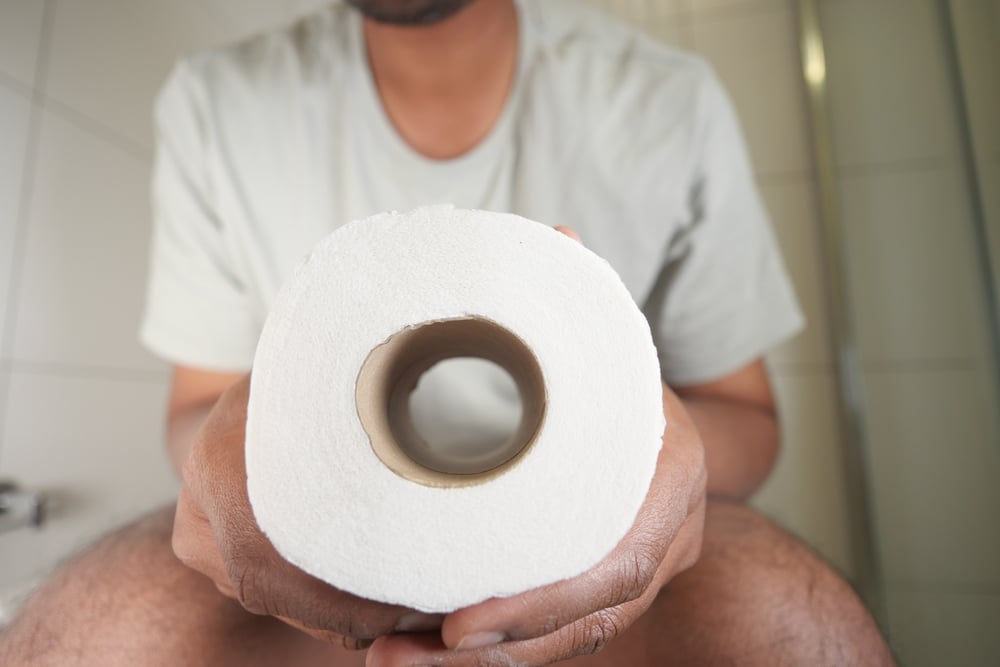
Maintaining digestive regularity often involves more than just dietary choices like fiber-rich prunes or figs. Emerging research suggests that the physical position of the body during a bowel movement plays a significant role in how efficiently the bowels are emptied. While squatting remains the standard practice in many parts of Africa and Asia, Western cultures have transitioned to the use of seated toilets. This shift in posture significantly alters human physiology during defecation.
The Mechanics of the Anorectal Angle
When an individual sits in an upright position on a standard toilet, the rectum maintains a sharp bend known as the anorectal angle. This approximately 90-degree turn serves a biological purpose: it helps maintain continence by preventing accidental bowel movements while sitting. However, when it is time to use the bathroom, this same angle becomes an obstacle. Attempting to pass stool while sitting upright is often compared to trying to drive a vehicle without releasing the parking brake; the body is forced to work against its own structural alignment.
Clinical Trials of Posture Modification Tools
To address the inefficiencies of the seated position, various footstools and “defecation posture modification devices” have been developed. Early studies on small stools that only raised the feet by four inches showed no significant improvement in the ease or speed of bowel movements. However, larger devices, such as the Squatty Potty, which typically provide an eight-inch boost, have demonstrated measurable benefits in clinical settings.
Research participants using these higher platforms reported a more complete sense of bowel emptying and a significant reduction in straining. On average, the time spent on the toilet was reduced by approximately one minute. Despite these benefits, some users found the extreme elevation of the knees to be uncomfortable, suggesting that while effective, these devices may require a period of physical adjustment.
The Benefits of Leaning Forward: The Thinker Position
There may be a way to achieve the physiological benefits of squatting without the need for additional equipment. By leaning forward while seated—a posture reminiscent of Rodin’s famous sculpture, The Thinker—individuals can naturally widen the anorectal angle. Imaging studies, specifically cinedefecography (which uses X-ray technology to visualize the process in real-time), have shown that this leaning position can open the anorectal angle to more than 130 degrees.
This wide angle is even more effective than simply raising the feet with a stool, which only opens the angle to roughly 90 degrees. Consequently, “The Thinker” position may offer a more efficient and natural method for bowel evacuation, potentially providing relief for those struggling with chronic constipation.
The Cardiovascular Risks of Straining
Improving bathroom posture is not merely a matter of convenience; it is a vital health consideration. Straining during a bowel movement causes a sharp spike in blood pressure within the brain and heart. This physical stress is a documented trigger for cardiovascular events, including heart attacks and strokes. The risk is particularly high for individuals confined to bed who must use bedpans, as the flat, supine position is arguably the most difficult for bowel evacuation. Whenever possible, elevating a patient into a seated or leaning position can reduce the dangerous cardiovascular strain associated with bearing down.
Summary: Prioritizing Fiber Over Plumbing
While the debate between sitting and squatting continues, it is essential to consider the broader lifestyle context. Proponents of squatting often point to “primitive” cultures where digestive ailments are rare, yet these populations also consume diets rich in unrefined, high-fiber foods. When a diet is naturally high in fiber, the stool becomes easier to pass, regardless of the user’s posture. Ultimately, while postural aids like footstools or the leaning “Thinker” position can assist in the short term, addressing the underlying dietary causes of constipation may eliminate the need for specialized bathroom equipment altogether. By focusing on whole, fiber-dense foods, you can optimize your digestive health through biology rather than just biomechanics.