













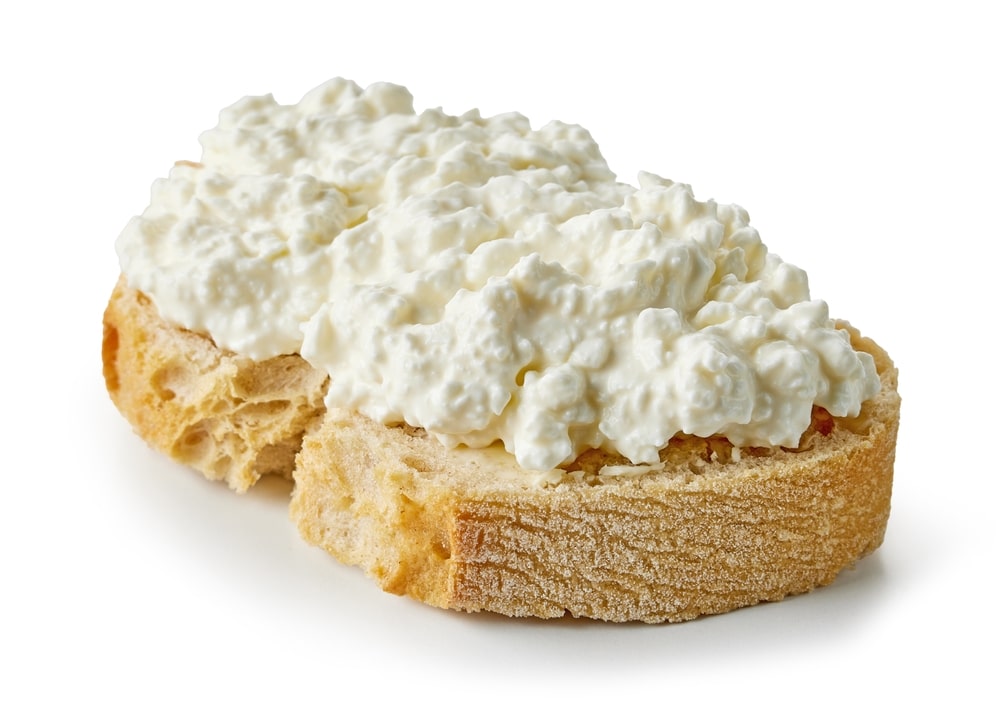
Cottage cheese is experiencing a massive resurgence, moving from a dated diet staple to a modern nutritional powerhouse. Driven by social media trends and a growing demand for convenient, high-protein foods, this dairy classic has become a favorite for fitness enthusiasts and those focusing on weight management. Its combination of high protein, low sugar, and affordability has made it a top-tier choice in the dairy aisle once again.
This “golden age” of cottage cheese is supported by more than just hype; it is a budget-friendly fuel source that provides long-lasting satiety. Before you stock up, it is helpful to understand the science behind these curds and how to choose the best option for your fitness goals.
Understanding the Basics of Cottage Cheese
Cottage cheese is classified as a fresh cheese because it does not undergo the aging or ripening process required for hard cheeses like cheddar or parmesan. The production process is relatively simple: an acid or an acid-producing culture is added to milk, causing the solids (curds) to separate from the liquid whey. These curds give the cheese its distinct, lumpy texture.
The size of the curds can vary depending on the manufacturer, with small-curd options often preferred by those who are sensitive to its unique texture. Flavor-wise, it offers a mild profile—slightly sweet, subtly tangy, and a touch salty—making it a versatile ingredient that can be integrated into both sweet and savory recipes without overpowering other flavors.
Budget-Friendly vs. Premium Dairy Options
While artisanal and “clean label” brands have gained popularity for their refined textures and minimal ingredients, standard grocery store brands remain a nutritionally sound choice. Large-scale brands and store labels often provide the same core benefits—high protein and essential minerals—at a much lower price point. When choosing a brand, prioritize your personal taste preference and budget. Whether you choose a premium tub or a budget-friendly store brand, the nutritional value remains largely consistent.
Why Cottage Cheese is a Powerhouse for Muscle Growth
The primary reason cottage cheese is a favorite in the fitness community is its impressive protein-to-calorie ratio. A half-cup serving typically contains about 13 grams of protein for only 80 to 100 calories. In comparison, a similar serving of plain Greek yogurt offers around 10 grams, and two large eggs provide 12 grams but with significantly more calories. This makes cottage cheese an efficient tool for meeting daily protein targets.
It is particularly effective as a post-workout snack. Research indicates that as little as 9 grams of milk-based protein can be sufficient to stimulate muscle protein synthesis following resistance training. For those who prefer whole foods over protein powders or processed bars, cottage cheese serves as a natural and effective alternative.
Cottage cheese is also highly regarded as a nighttime snack. It is rich in casein protein, which is digested more slowly than whey. This slow release provides the body with a steady supply of amino acids throughout the night, aiding in muscle recovery and growth while you sleep. Additionally, the high protein content promotes satiety, making it an excellent food for managing appetite and supporting weight loss goals.
Smart Shopping: Selecting the Best Tub for Your Needs
Choosing Between Fat-Free and Full-Fat Varieties
Cottage cheese is typically available in fat levels ranging from 0% to 4%. A fat-free (0%) serving contains about 80 calories, while a 4% “full-fat” serving has roughly 120 calories and 5 grams of fat. While lower-fat versions help reduce overall calorie intake, the 4% variety is often more satisfying and has a creamier flavor. The choice depends on your daily caloric needs and saturated fat limits. While the impact of dairy fat on heart health is a subject of ongoing research, many experts suggest that the complex nutrient matrix in dairy may mitigate the traditional concerns associated with saturated fat.
A Deep Dive Into Essential Micronutrients
Beyond protein, cottage cheese is a dense source of several vital nutrients. It provides calcium and phosphorus, which are essential for bone density, along with potassium, selenium, and vitamin B12. Vitamin B12 is crucial for nerve function, red blood cell production, and DNA synthesis. It is important to note, however, that cottage cheese is generally not fortified with Vitamin D, unlike liquid milk.
Checking for Gut-Healthy Cultures
Not all cottage cheese contains probiotics. Unlike yogurt or kefir, cottage cheese does not require fermentation as a standard production step. However, some brands specifically add live and active cultures. These fermented versions offer a tangier flavor and provide beneficial bacteria for gut health. If gut health is a priority, look for labels that explicitly mention live cultures.
Considerations for Lactose Sensitivity
Because it is a dairy product, cottage cheese contains lactose, the natural sugar found in milk. Individuals with lactose intolerance should consume it with caution. While lactose-free versions are less common, they do exist. Cultured or fermented cottage cheese may also be easier to digest for some, as the bacteria used in the fermentation process helps break down the lactose sugars.
Monitoring Salt Levels for Heart Health
One potential drawback of cottage cheese is its sodium content. A single half-cup serving can contain up to 400 milligrams of sodium, which is added for both flavor and preservation. For individuals monitoring their blood pressure or those with heart conditions, it is important to compare brands and select lower-sodium options. However, for active individuals, this extra sodium can actually assist in replacing electrolytes lost through sweat during intense exercise.
Identifying Thickeners and Emulsifiers
Many commercial brands use thickening agents like guar gum, locust bean gum, or carrageenan to improve texture. Some preliminary research suggests that high consumption of certain emulsifiers might affect gut microbiota and potentially contribute to inflammation. If you prefer to avoid these additives, look for brands with simpler ingredient lists consisting only of milk, cream, and salt.
Avoiding Hidden Sugars in Flavored Options
While plain cottage cheese is naturally low in carbohydrates, flavored versions often contain significant amounts of added sugar. To keep your diet on track, it is best to buy plain cottage cheese and add your own fresh fruit or berries. This allows you to control the sweetness while adding fiber and antioxidants.
Innovative Ways to Prepare Cottage Cheese
Cottage cheese is remarkably versatile and can be used in more than just a simple bowl. Its mild flavor allows it to work in both breakfast dishes and desserts.
Morning Fruit Tacos with a Protein Twist
This recipe offers a fresh, high-protein alternative to traditional breakfast grains.
Ingredients:
- 1 1/2 cups cottage cheese
- 1 tablespoon honey
- 2 tsp orange zest
- 1 teaspoon vanilla extract
- 1 cup blueberries
- 1 cup halved strawberries
- 2 kiwi, peeled and chopped
- 1 banana, sliced
- 4 (6-inch) whole-grain tortillas
- 1 cup granola
Directions:
- Combine the cottage cheese, honey, orange zest, and vanilla in a bowl. In another bowl, mix the various fruits.
- Spread the cottage cheese mixture onto tortillas, top with the fruit and granola, and serve as tacos or wraps.
Savory High-Protein Egg Bites
These crustless quiches are perfect for meal prepping and provide a portable protein source.
Ingredients:
- 1 1/2 cups cottage cheese
- 8 large eggs
- ¾ cup grated mozzarella
- 1 tablespoon cornstarch
- 1 teaspoon dried thyme
- 1/2 teaspoon salt
- 1/4 teaspoon black pepper
- 1 red bell pepper, chopped
- 2 cups finely chopped spinach
Directions:
- Preheat your oven to 325ºF and grease a muffin tin.
- Blend the cottage cheese, eggs, mozzarella, cornstarch, and seasonings until smooth. Stir in the bell pepper and spinach.
- Place a water bath on the lower oven rack to maintain moisture. Fill the muffin tin with the mixture and bake for 20-25 minutes until set. Let cool slightly before removing from the tin.
Rich and Healthy Cottage Cheese Chocolate Mousse
This high-protein dessert is creamy and satisfying without the excess sugar of traditional mousse.
Ingredients:
- 4 ounces dark chocolate, chopped
- 1 1/2 cups full-fat (4%) cottage cheese
- 3 tablespoons maple syrup
- 1/2 teaspoon cinnamon
- 2 tablespoons water
Directions:
- Melt the chocolate in the microwave in 30-second increments, then let it cool for a few minutes.
- Blend the cottage cheese, maple syrup, cinnamon, and water until perfectly smooth.
- While the blender is running, slowly pour in the melted chocolate. Refrigerate for at least two hours to allow the mousse to set and thicken.
Summary of Key Takeaways
Cottage cheese has reclaimed its status as a functional superfood due to its high casein protein content and nutrient density. Whether used as a muscle-building post-workout snack, a slow-digesting nighttime fuel, or a versatile ingredient in healthy recipes, it offers significant value for those focused on fitness and health. By paying attention to sodium levels, added sugars, and the presence of live cultures, you can select a variety that perfectly aligns with your nutritional needs and health goals.