














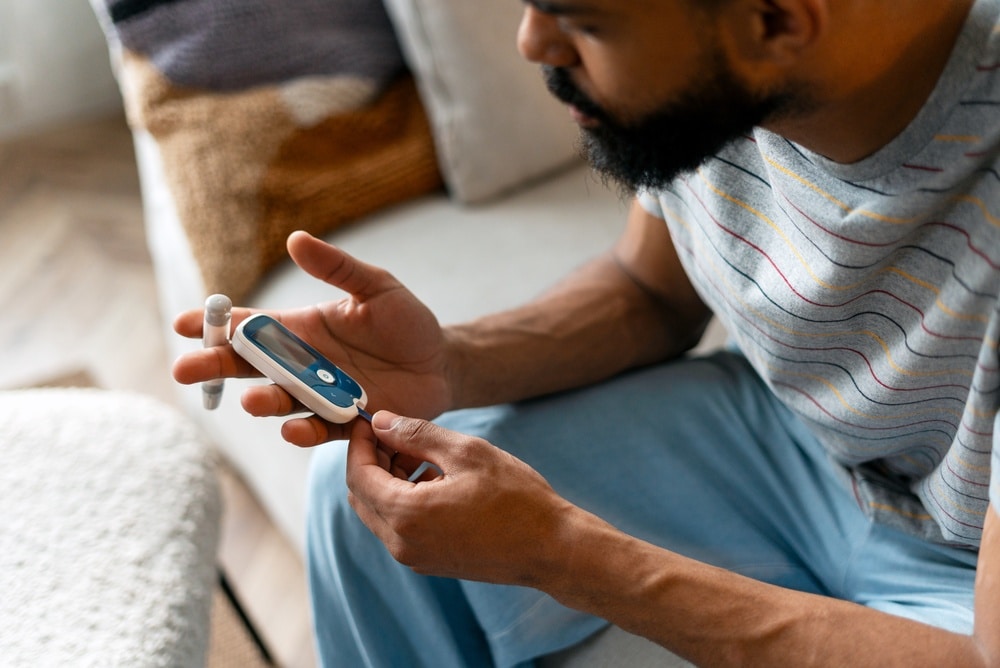
At-home health diagnostics have transitioned from a niche market to a mainstream phenomenon. From finger-prick blood panels and hormone kits to gut microbiome swabs and DNA reports, health insights are now available via post, bypassing the traditional primary care appointment. While the convenience of these kits is undeniable, their reliability varies significantly. Often, the packaging fails to distinguish between a clinically validated medical tool and a wellness gadget designed for consumer interest.
Distinguishing between high-quality diagnostic tools and those using clinical-sounding language for marketing purposes is essential. The results you receive can influence significant health decisions, ranging from peace of mind to unnecessary anxiety while awaiting professional medical confirmation.
Understanding the Growth of the At-Home Testing Market
The surge in popularity for home testing is driven by a desire for privacy, speed, and health autonomy. These kits allow individuals to investigate symptoms or biological markers without the wait times associated with clinical appointments. Whether for a modest fee or a significant investment, consumers can receive data about their bodies within a matter of days.
Much of this demand is rooted in a proactive approach to health—an effort to identify the underlying drivers of symptoms rather than relying on guesswork. This instinct is positive; however, it is important to remember that convenience does not always equate to clinical accuracy. The market is currently flooded with a mix of established, single-purpose tests and broad “wellness panels” that promise to optimize your health based on dozens of different markers. While price can sometimes be an indicator of quality, it is not a foolproof metric for reliability.
Defining Accuracy in Home Diagnostics
In medical testing, accuracy is measured by the risk of two types of errors: false negatives, which fail to detect an existing condition, and false positives, which indicate a problem that isn’t actually there. A test may be highly effective at one but less reliable at the other. This is why a generic “99% accurate” claim on a box often lacks the necessary context to be truly useful.
The complexity of what is being measured also impacts reliability. For instance, a standard home pregnancy test is historically dependable when used correctly. Conversely, a kit attempting to predict the risk of a multifaceted chronic condition from a single sample faces a much higher bar for precision. Misunderstanding these differences can lead to an over-reliance on results that may not be definitive.
It is helpful to differentiate between “screening” and “diagnostic” tools. Screening tests look for potential indicators of a health issue in individuals who appear healthy; they are intended as a first step that requires professional follow-up. Diagnostic tests are used to confirm or rule out a specific condition when symptoms are present. Many at-home kits function as screenings but are interpreted by users as final diagnoses, which can lead to undue stress. Furthermore, when testing for rare conditions in the general population, the likelihood of a false alarm increases simply because there are more healthy individuals who could be misclassified.
Regulatory bodies emphasize that no test is perfect. Official guidelines confirm that all diagnostics carry a risk of error and that home results should generally be validated by a healthcare professional. This isn’t exclusive to home kits; diagnostic errors occur in clinical settings as well. A test result should be viewed as a piece of information to be discussed with a doctor, rather than a final verdict.
The Foundation of a Reliable Health Test
The difference between a dependable test and a questionable one lies in the development and validation process. A credible diagnostic tool is backed by clinical studies proving it can accurately measure what it claims to measure across a diverse range of real-world users and conditions.
This invisible validation process is what ensures a test’s integrity. High-quality data from clinical trials is typically managed through structured electronic data capture systems designed to maintain accuracy and security. While these technical back-end processes are not part of the marketing, they are exactly what is missing from flashy gadgets that lack published scientific evidence.
A lack of transparent evidence is a major red flag. If a test is sold primarily through testimonials and aesthetic design—without published accuracy data or clear regulatory status—it may be prioritizing branding over medical proof. Reputable companies are usually transparent about their methodology and the science supporting their claims.
Regulatory clearance (such as from the FDA, UKCA, or CE) is based on this data. It is important to note that a clearance is specific to the claim made on the label. A test cleared for “general wellness” does not carry the same weight as one cleared for “medical diagnosis.” Reading the fine print regarding what a test is specifically authorized for is a vital step for any consumer.
Criteria for Evaluating a Test Before Purchase
You can assess the quality of a health kit by asking a few targeted questions. First, investigate its regulatory status. Is it cleared by a recognized body like the FDA in the US or the UKCA/CE in the UK for the specific condition you are testing? Branding that suggests “wellness” is often used when a product does not meet the stricter requirements for medical clearance.
Next, look for the data. Does the provider publish specific accuracy rates, and who was the test validated on? A test that works well for people who are already ill may not perform the same way for a healthy person using it as a screen. Apply the same standard to these kits as you would to any medical treatment: look for clinical research rather than marketing promises.
Consider the infrastructure behind the kit. Is there a certified laboratory and a clinical team involved in the analysis? Tests that offer access to qualified professionals for the interpretation of results are generally more reliable than those that simply send an automated chart via email. Finally, check the recommended next steps. A responsible kit will provide clear guidance on when and how to consult a GP, ensuring that you aren’t left alone with complex or alarming data.
Final Thoughts: Using Results as a Health Catalyst
At-home health testing is not a gimmick; when backed by science, the technology is a powerful asset. For many, these kits remove the barriers to proactive health monitoring and can catch issues early or help track existing conditions. However, the value of these tests depends on a healthy level of skepticism toward those that promise profound insights without the evidence to back them up.
Ultimately, a home test should be treated as a starting point rather than a conclusion. The most trustworthy kits are those that earn confidence through verifiable evidence and encourage users to speak with a healthcare professional who can view their results within the context of their full medical history.