













Key Takeaways
- Simple ways to add potassium to your dishes include substituting red meat with fish or plant-based proteins, choosing tomato sauces over cream, adding leafy greens, and snacking on yogurt or kefir.
- Potassium is crucial for heart health, helping to balance sodium levels that affect blood pressure.
Potassium is a vital nutrient, yet most individuals fall short in their intake. By making minor changes to your diet, you can effortlessly enhance your potassium levels, promoting better overall health.
1. Incorporate Beans
Beans are a fantastic source of potassium. One cup of boiled black beans provides approximately 611 milligrams (mg) of potassium, while a cup of cooked chickpeas offers 477 mg.
Generally, boiled beans have higher potassium levels than canned varieties due to nutrient loss during canning. Yet, simply increasing your bean consumption is both budget-friendly and sustainable for boosting potassium.
Add canned beans to salads, use them as partial meat substitutes, blend them into dips, or prepare a bean-and-grain salad.
2. Add Leafy Greens
Leafy greens are rich in essential nutrients, including potassium. One cup of cooked spinach delivers 839 mg of potassium, whereas raw spinach only provides 167 mg. This difference is attributed to volume; cooked spinach is denser, yielding more potassium per serving.
Other potassium-rich leafy greens like collards, kale, and Swiss chard can enhance your meals significantly. Integrate cooked greens into soups, stews, or pasta dishes, or enjoy them sautéed with garlic as a delightful side.
3. Opt for Potassium-Rich Proteins
Fish and plant proteins, such as tofu, tempeh, and legumes, serve as excellent potassium sources. Switching from red meat to these protein choices can effectively increase your potassium intake while still meeting your nutritional goals.
For instance, a three-ounce serving of cooked salmon boasts 373 mg of potassium, exceeding the 287 mg found in lean flank steak. Plant proteins are also valuable; half a cup of firm tofu provides nearly 300 mg of potassium.
You can roast salmon or create sushi bowls with cooked salmon chunks. In stir-fries, substitute meat with tofu, or shred tofu for use in sauces, soups, or stews.
4. Replace Cream Sauces with Tomato Sauce
Choosing tomato sauce over cream-based alternatives can significantly boost the potassium in your meals. Prepare tomato sauce using canned, crushed tomatoes, which offer 355 mg of potassium per half-cup serving.
Keep in mind that many tomato products can be high in sodium. Review nutrition labels carefully to avoid excessive salt content.
5. Incorporate Yogurt or Kefir
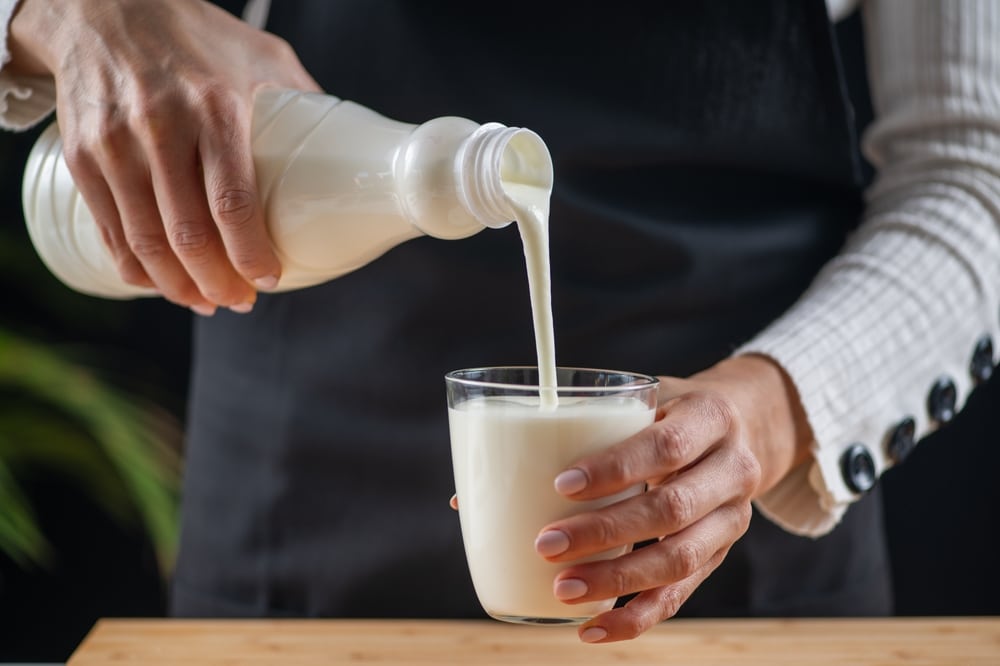
Dairy products provide a great source of potassium. One cup of low-fat, plain kefir contains nearly 400 mg of potassium, while a seven-ounce container of Greek yogurt holds 282 mg. In addition to potassium, yogurt and kefir supply protein, calcium, and beneficial probiotics.
Use yogurt or kefir in smoothies or with morning cereals. They can also replace mayonnaise or sour cream in dips.
How Much Potassium Do You Need?
| Adequate Intakes for Potassium | ||||
|---|---|---|---|---|
| Males | Females | Pregnancy | Lactation | |
| 19 and older | 3,400 mg | 2,600 mg | 2,900 mg | 2,800 mg |
Potassium requirements can vary based on individual health conditions. Consult your healthcare provider for personalized advice on your potassium needs.
Why Potassium Is Crucial for Well-Being
Potassium is the most prevalent intracellular cation, found in all body tissues. It plays a pivotal role in cellular functions, regulating fluid balance and electrical signals.
This mineral is vital for cardiovascular health, particularly in managing hypertension, which is a major contributor to heart disease. Potassium aids in sodium elimination through urine and helps to relax blood vessels, thereby reducing blood pressure.
Additional Insights on Potassium
- Potassium is soluble in water, which means boiling potassium-rich foods can diminish their nutrient value.
- Individuals with severe kidney disease may need to limit potassium intake. Only make changes if advised by your healthcare provider.
- Most people do not get enough potassium through their diet. Small adjustments can significantly increase potassium intake and enhance heart and overall health.