













Zinc plays a crucial role in maintaining optimal health and wellness. While oysters, meat, seeds, and dairy are well-known sources of zinc, you might be surprised by other possibilities.
1. Oysters and Other Shellfish
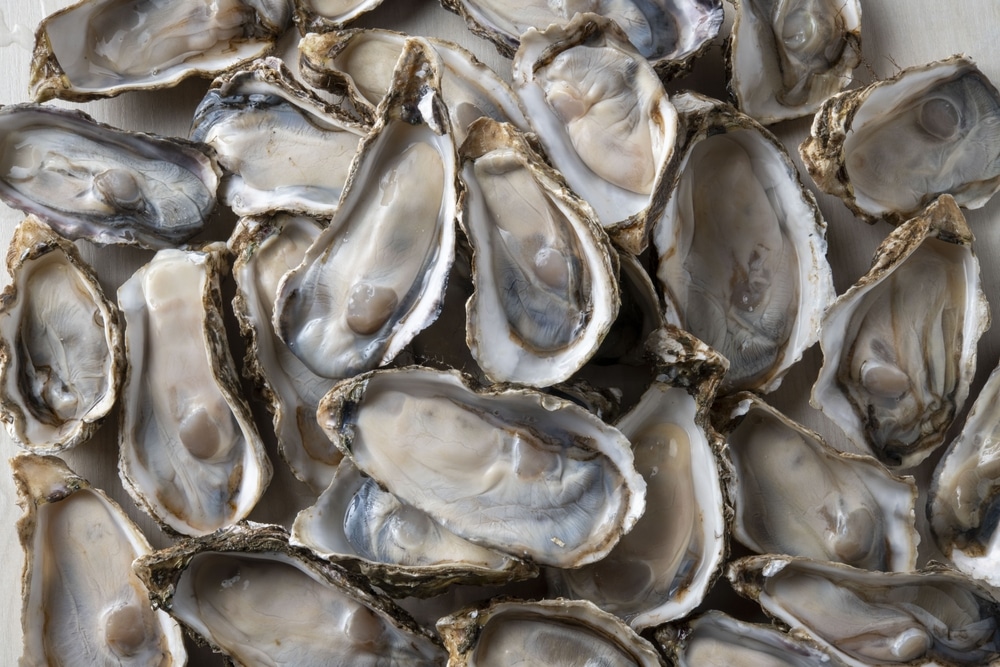
Oysters are a powerhouse when it comes to zinc content, offering around 24 milligrams (mg) of zinc in just three medium oysters.
Other shellfish options include:
- King crab: 6.48 mg in a 3.5-ounce cooked serving.
- Mussels: 2.4 mg in 1 cup, raw
- Shrimp: 1.3 mg in 3 ounces, cooked
How Much Zinc per Day?
The Recommended Dietary Allowances (RDA) for zinc range from 8 to 11 milligrams (mg) daily for men and women, increasing to about 11–13 mg daily during pregnancy and breastfeeding.
2. Beef, Pork, and Poultry
Meat is a rich source of zinc. Here’s how much zinc you can get from different meats:
- Beef (bottom sirloin), 3 ounces: 3.8 mg
- Pork (center loin chop), 3 ounces: 1.9 mg
- Turkey breast, 3 ounces: 1.4 mg
3. Legumes
For those following plant-based diets, legumes are a fantastic source of zinc and other vital nutrients. Legumes include:
- Beans
- Peas
- Peanuts
- Lentils
- Soy foods, like edamame, tofu, and tempeh
A half-cup serving of boiled lentils offers roughly 2 mg of zinc. Extra firm tofu provides the same amount.
It’s worth noting that legumes contain phytates, which can hinder zinc absorption. However, this is mainly an issue with raw legumes, which are rarely consumed. To enhance zinc availability, soak, cook, sprout, or ferment legumes as you typically would.
If you’re new to cooking legumes, start with simple dishes. Use lentils or tempeh as a meat substitute in tacos or casseroles. Crumbled tofu pairs well with veggies for a hearty breakfast scramble. Beans and peas can be added to soups and pasta for extra nutrition.
4. Dairy Products and Soy Milk
Dairy foods like cow’s milk and cheese also contribute some zinc. For instance, a 1-ounce slice of cheddar cheese contains about 1 mg of zinc. One cup of cow’s milk offers the same amount.
If you prefer non-dairy options, plant-based milks like soy can also be a good source. One cup of original organic soy milk provides about 10% of the daily zinc requirement.
Remember that zinc might not always be listed on the nutrition facts label. To maximize your intake from dairy alternatives, opt for soy-based varieties, which are particularly rich in zinc.
Dairy or legume-based milk alternatives can be delicious additions to pancake or muffin batter, cereal, coffee, soups, sauces, or enjoyed as a refreshing drink.
5. Nuts and Seeds
Nuts and seeds are an easy way to boost zinc in your diet. Three tablespoons of hemp seeds can provide between 30% and 40% of daily zinc needs.
Other nuts and seeds to consider:
- Almonds, 1/4 cup: 1.1 mg
- Sunflower seed kernels, 1/4 cup: 1.8 mg
- Pumpkin or squash seed kernels, 1/4 cup: 2.3 mg
Include nuts and seeds in trail mixes for a convenient snack, mix them into oatmeal or yogurt, or enjoy as a nutritious side with fruit. You can even blend them into nut or seed butter to spread on toast or pair with apple slices.
6. Dark Chocolate
If you have a penchant for sweets, dark chocolate with 70% to 80% cacao is a notable source of zinc. A 3.5-ounce bar delivers about 3.3 mg of zinc.
Incorporate dark chocolate into trail mixes, stir it into oatmeal, or savor it as a delightful midday snack.
7. Whole Grains
Whole grains also contain some zinc. Here are a few examples:
- Oatmeal: 1.51 mg in 1 cup cooked
- Brown rice: 0.7 mg in 1/2 cup cooked
- Whole wheat bread: 0.6 mg in 1 slice
Opt for whole grains instead of refined grains for added nutrition, including fiber. Although they also contain phytates, the benefits often outweigh any drawbacks.
Use whole grains as a base for proteins, in stir-fries, or in breakfast dishes. They can also be included in salads or veggie burger recipes.
8. Fruits and Vegetables Are Lesser Sources
While fruits and vegetables are not the top sources of zinc, they offer plenty of other vital nutrients, such as fiber and antioxidants, that contribute to overall health.
Certain produce can still provide some zinc. If you don’t eat meat or fish, diverse plant foods can collectively add small amounts of zinc.
The fruits and veggies that offer zinc include:
- Potatoes
- Corn
- Passionfruit
- Sweet potatoes
- Leafy greens
- Grapefruit
- Kiwifruit
You can easily incorporate these into your diet by making potato soup, sauteeing greens, enjoying grapefruit for breakfast, or adding kiwi to lunch.
What If Eating Food High in Zinc Isn’t Enough?
If you’re worried about your zinc intake, consider consulting a healthcare provider or a registered dietitian who can assess your dietary habits. They can evaluate your plasma zinc levels to determine if you’re deficient.
Zinc is involved in numerous processes within the body, crucial for functions like wound healing, cell signaling, DNA synthesis, and immune response. It is also vital for taste perception and supporting fetal growth during pregnancy.
Symptoms of zinc deficiency can include:
- Wounds healing slowly or poorly
- Unexplained weight loss
- Diminished focus or alertness
- Diarrhea
- Altered senses of smell or taste
- Loss of appetite
- Persistent illnesses
Zinc Supplements
If you’re not consistently including zinc-rich foods in your diet, a supplement may be beneficial.
Long-term use of zinc is not advised as it can interfere with copper and iron absorption, potentially leading to deficiencies in those minerals. Also, excessive zinc intake can lead to gastrointestinal issues like diarrhea and vomiting.
For those seeking immune support, using zinc supplements during the onset of symptoms may help mitigate illness duration and severity.