













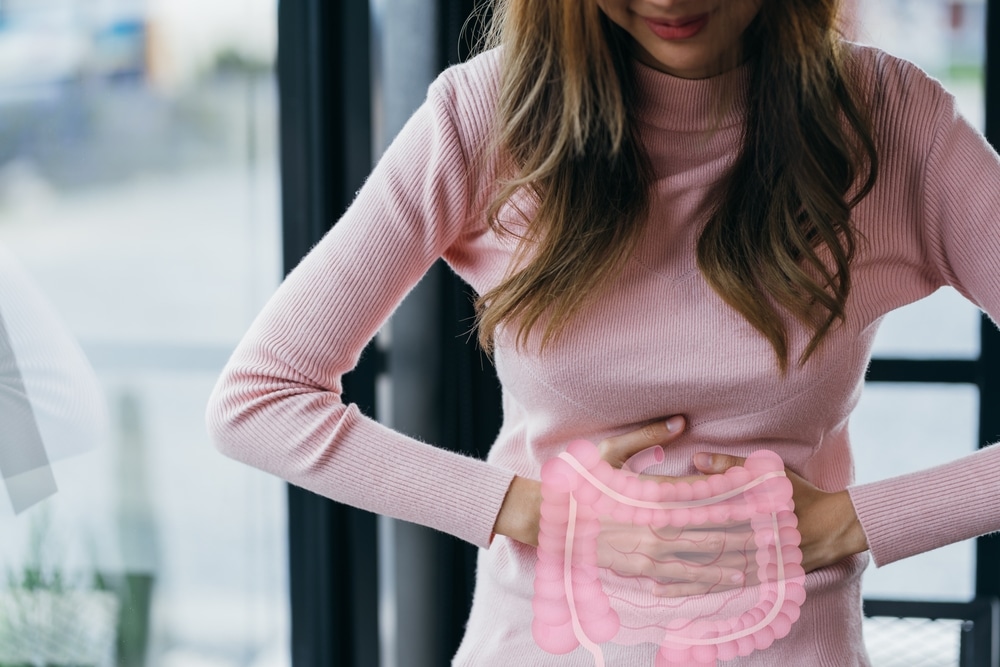
We’ve all felt it: that uncomfortable bloat after trying something new. Stomach pains arise, and even your usual bathroom visits feel different. You might think your body just isn’t handling food as well lately, but have you considered that your gut could be inflamed from what you’ve been consuming?
Dr. Will Bulsiewicz emphasizes that the concept of “inflammation” is often misunderstood. According to him, many people lack clarity on its implications for gut health. “For me, inflammation is essentially the immune system kicking into gear; it’s vital and protective,” he states. “It shields us from infections and aids in repairing our tissues.”
However, a deeper concern—chronic low-grade inflammation—is becoming increasingly prevalent. “This ongoing inflammation contributes to various health issues, including autoimmune disorders, allergies, metabolic diseases, and even mood disorders. Its beginnings often trace back to our gut health,” Bulsiewicz explains.
Bloating is frequently misattributed to gut inflammation. Many people assume that feeling gassy directly correlates with something they ate causing inflammation. Bulsiewicz clarifies, “In most cases, the issue isn’t inflammation; it’s that your diet doesn’t align with your microbiome.” Essentially, your microbiome is adapted to process your usual food, and for many Americans, that often entails a diet heavy in ultra-processed foods devoid of fiber.
Low energy levels can also accelerate inflammation. “Society tends to accept a lot of modern issues as conventional, including low energy. I want people to recognize that inflammation frequently accompanies fatigue. It’s not the sole cause of fatigue, but a troubled gut can lead to symptoms like bloating and an overall sense of exhaustion,” he shares.
Additionally, inflammation can manifest in various parts of your body. “You might notice symptoms like headaches, joint pain, or even nasal congestion. These indicators suggest increased inflammation across your body,” Dr. Bulsiewicz notes.
Understanding Healthy Stool
It might seem awkward, but observing your stool is one of the best indicators of gut health. What constitutes a healthy bowel movement? Bulsiewicz asserts, “How you poop gives significant insights into your microbiome. Ideally, healthy bowel movements resemble a regular sausage shape, indicating complete emptying. When your gut struggles, bowel movements diverge from this norm.”
Fortunately, Bulsiewicz believes that combatting inflammation starts with mindful eating. He outlines four essential elements for a nutritious diet: fiber, polyphenols, healthy fats, and fermented foods. The key to maintaining a healthy diet lies in enjoying the food you consume and committing to it long-term.
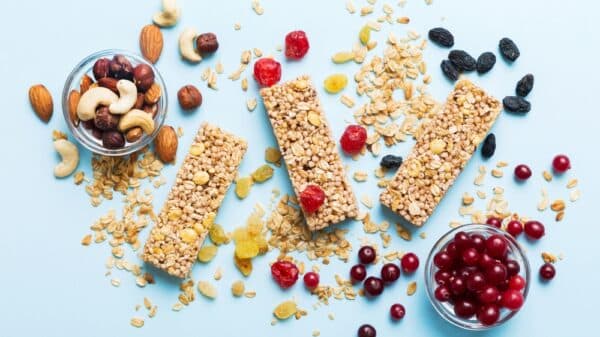
“These components are often lacking in the average American diet. Good snacks could be mixed nuts or a piece of fruit. I encourage incorporating smoothies and soups initially, as these are somewhat pre-digested, making it easier for those unfamiliar with these foods. They allow your gut to adapt to new plant-based dietary changes,” he advises.
 Stock by Anindya/adobe stock
The Impact of Ultra-Processed Foods on Your Gut Microbiome
“The discussion surrounding ultra-processed foods is gaining traction,” Bulsiewicz says. He explains that ultra-processed foods encompass items that one could not replicate at home due to their complex ingredients. “You might make a homemade version of certain snacks, but it won’t compare to the original,” he clarifies.
With overly long ingredient lists, these foods can possess additives that disrupt how our bodies control appetite. “These food additives are beginning to reveal their potential negative impacts on our gut microbiome. Additionally, they tend to be hyperpalatable, meaning normal signals telling you to stop eating may be missing, leading to overeating. Research indicates that individuals consuming ultra-processed foods often intake an extra 500 calories daily due to this,” he explains.
Why Restrictive Diets Might Not Help Your Gut
Misinformation abounds when it comes to gut health. “There’s a crucial distinction between short-term symptom management and genuine gut improvement,” Bulsiewicz states. Many popular strategies advocate for restrictive diets, which may reduce discomfort at first but do not contribute to long-term gut health.
“The primary error is focusing exclusively on symptom elimination while confining oneself to a restrictive eating pattern,” he warns. While noticeable improvements can happen once you adjust your diet, implementing changes gradually is crucial.
“The best approach is to introduce new foods slowly and steadily,” he advises. “When someone genuinely adopts a gradual, informed adjustment featuring ample plant-based fiber and removes harmful elements, they can experience quick results.”