













Key Takeaways
- Fatty fish and fortified foods are among the limited natural sources of vitamin D, making them essential for your diet.
- Achieving adequate vitamin D levels might involve a blend of diet, responsible sun exposure, and supplementation when necessary.
- Your vitamin D needs can vary greatly, influenced by factors like skin color, location, age, and overall health, making personalized advice vital.
Vitamin D plays diverse roles, including maintaining bone strength, regulating mood, boosting muscle function, enhancing immune response, and minimizing disease risk. Yet, many individuals worldwide, including those who consider their diets healthy, face vitamin D deficiencies.
1. Fatty Fish
Fatty fish serve as the most effective natural food sources of vitamin D, providing a reliable path to boost dietary intake. Typically, wild-caught fish may contain higher vitamin D levels compared to their farmed counterparts.
Notable fish known for their vitamin D content include:
- Trout: 645 IU per 3-ounce (oz) serving
- Salmon: 383-570 IU per 3-oz serving
- Canned Tuna: 231 IU per 3-oz serving
- Herring: 182 IU per 3-oz serving
- Canned Sardines: 164 IU per 3-oz serving
Consuming fatty fish multiple times a week can be instrumental in achieving the recommended daily intake of vitamin D while also imparting beneficial omega-3 fats that contribute to heart health.
2. Cod Liver Oil
While cod liver oil isn’t commonly found in kitchens, it’s a potent source of vitamin D, delivering 1360 IU per tablespoon.
The liver also harbors fat-soluble vitamins and contains omega-3 fats. Historically, cod liver oil was administered to children as a treatment for rickets, a condition stemming from vitamin D deficiency that leads to fragile bones.
Some may find cod liver oil’s flavor fishy and oily. If taking it straight isn’t appealing, consider mixing it into smoothies. It’s also available in capsule form.
3. Vitamin D-Fortified Foods
Fortified foods represent a primary source of vitamin D in many people’s diets, especially for those who avoid fish. Fortification involves adding essential nutrients to commonly eaten foods to improve public nutritional levels. Think of iodized salt as a key source of iodine in Western diets.
Common foods that are often fortified with vitamin D feature:
- Milk
- Plant-based milks
- Yogurt
- Orange juice
- Breakfast cereals
A typical serving of fortified milk or an 8-ounce serving of yogurt can provide 100-120 IU of vitamin D. However, the vitamin D amount in commercial products can vary by brand, so it’s important to check the labels for precise information.
4. Egg Yolks
Egg yolks contain some vitamin D, though in lesser quantities compared to the foods previously mentioned. A single large grade A egg offers around 49.5 IU of vitamin D. The precise amount can depend on factors like the hens’ diet and living conditions.
Eggs from pasture-raised hens or those fed vitamin D-enriched feed may yield higher vitamin D levels. By themselves, eggs are unlikely to fulfill daily vitamin D needs, but they can be a valuable addition to a balanced diet.
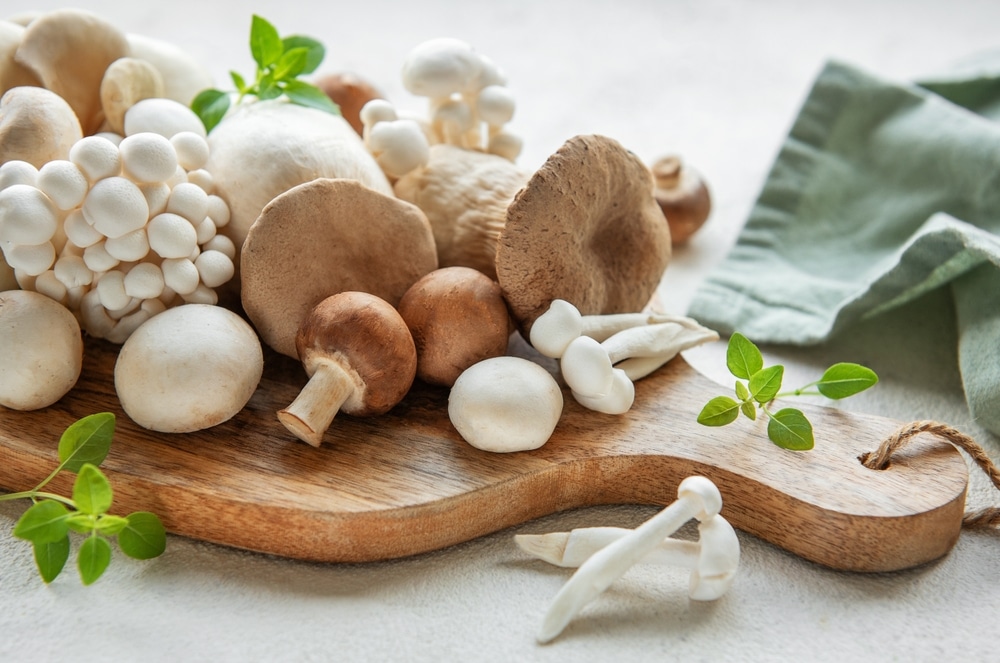
5. UV-Exposed Mushrooms
Mushrooms exposed to ultraviolet (UV) light are rare plant sources of vitamin D, providing vitamin D2 (ergocalciferol) rather than D3 (cholecalciferol).
Certain varieties, such as portobello and maitake mushrooms, may be labeled as UV-exposed, so check the packaging for this detail. One cup of UV-treated mushrooms may contain up to 1110 IU of vitamin D.
While vitamin D2 is considered less effective in raising blood vitamin D levels compared to D3, UV-treated mushrooms still play a significant role for individuals following plant-based diets, especially those not consuming fish and eggs.
What Is the RDA for Vitamin D?
The recommended dietary allowance (RDA) for vitamin D is outlined as follows:
- 600 international units (IU) for adults between 19 and 70 years
- 800 IU for adults over 70
A limited range of foods contain meaningful amounts of vitamin D. However, incorporating these into your diet can assist in meeting the RDA, potentially reducing the need for vitamin D supplements (although it’s wise to check your levels).
It’s Best to Get Vitamin D From Multiple Sources
While obtaining enough vitamin D from food alone is challenging, most people find it difficult to meet the RDA solely through dietary sources. Experts suggest a multi-pronged approach to vitamin D intake, which includes:
- Vitamin D-rich foods: Consuming vitamin D-rich foods with dietary fats can enhance absorption. Whole food nutrients contribute to overall wellness.
- Supplements: Vitamin D supplements serve as a practical option when dietary intake and sun exposure fall short, a common scenario.
- Safe sun exposure: Your sunlight exposure is unique in supporting vitamin D levels, allowing natural production through the skin.
The amount your skin can synthesize from sun exposure varies due to several factors, including:
- Your geographic location
- The season
- The time of day
- Your skin color
- Your age
- Use of sunscreen or protective clothing
It’s a good idea to have your vitamin D levels tested before starting supplements. Consult a healthcare professional to determine the appropriate dosage.