









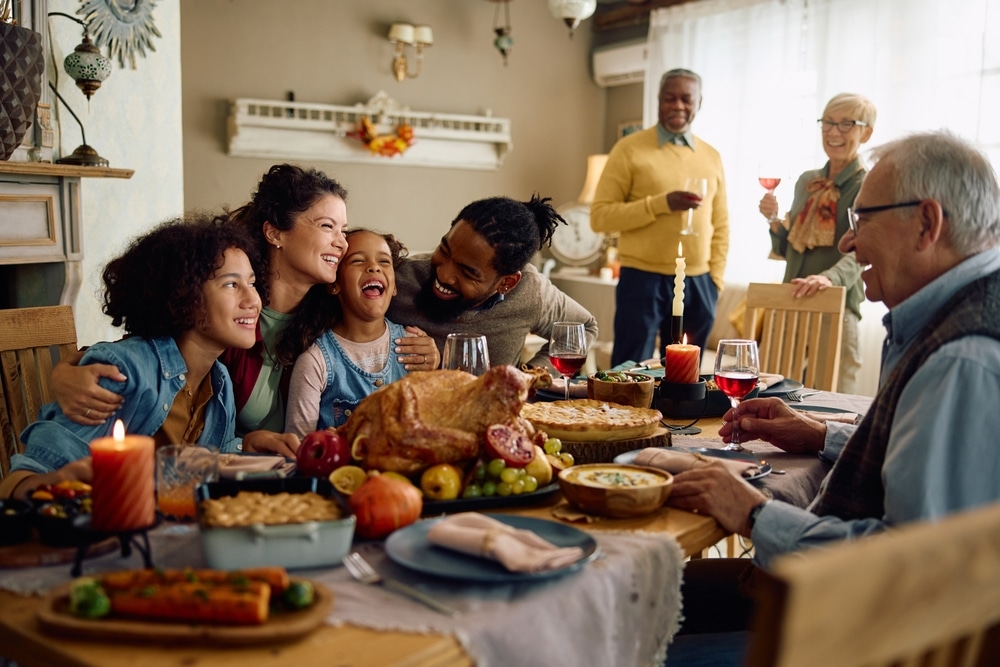
As someone who resides in the beautiful landscapes of New Zealand, I’ve had the unique pleasure of visiting America numerous times. Each trip has brought about different adventures—delivering medical lectures, going on book tours, or simply visiting friends and family. But what has always struck me during these visits is the deep presence of Thanksgiving in American culture. It’s not just a holiday; it’s etched into the very DNA of American families.
Interestingly, the way Thanksgiving is celebrated is different between the United States and Canada, each with its own historical context. The American tradition dates back to the 1600s, a pivotal period when the early settlers established themselves and discovered pumpkins. According to the *Encyclopaedia Britannica*, the most frequently cited event occurred in 1621, when the Wampanoag people shared a harvest feast with English colonists in Plymouth. Historians debate the specifics of the meal—some argue it included fowl, but whether these were geese or turkey remains a hot topic. In sharp contrast, the Canadian version of Thanksgiving roots back to an event led by Martin Frobisher, an English explorer, who, in his quest to find minerals (and gold!), celebrated a successful journey with a meager feast of salt beef, biscuits, and mushy peas after arriving in what is now Nunavut.
As I explore the essence of Thanksgiving, I’m reminded of a key philosophy I hold: “genes are our blueprint, but not our destiny.” This principle deeply informs my new book, *Biohacking Your Genes*, where I delve into practical health hacks—simple yet effective strategies you can adopt through your diet and lifestyle to enhance your well-being. Today, I’m excited to discuss two quintessential Thanksgiving foods that undoubtedly come to mind: turkey and pumpkin.
Turkey
When it comes to preparing our Thanksgiving turkey, many have the option to choose between raw and brined or basted varieties. The latter takes turkey to a new level by injecting it with a saline solution, intended to make the meat tender and juicy. The process of brining involves soaking the turkey in a salt-water mixture for 24 hours prior to roasting, helping to lock in moisture. But here’s the kicker: adding salt alters the nutritional landscape of the turkey, elevating sodium and phosphorus levels.
The National Academy of Medicine recommends an intake of 1,500 mg of sodium per day for the average American, suggesting that consumption should not exceed 2,300 mg. Surprisingly, the average American’s intake is around 3,600 mg daily—meaning a staggering 90% of people consume more salt than is healthy.
A recent study comparing raw turkeys to those that were brined revealed that indulging in these salt-added turkeys can lead to increased sodium and phosphorus levels in the body. This is concerning, particularly for individuals with high blood pressure or cardiac and kidney conditions.
Now, here’s where your genetic makeup comes into play. As I touch on in my book, the relationship between our bodies and the ACE gene is crucial in regulating blood pressure and salt intake. If you have the GA or AA variant of the ACE gene, you could be at an elevated risk for high blood pressure due to a diet rich in salted turkey. Interested in your gene type? Here’s a pathway to find out more.
Pumpkin Pie
Ah, pumpkin pie! No American Thanksgiving is complete without it. The pumpkin itself is native to the United States; European discovery came later when Columbus returned from the New World. When pumpkins made their way to England, creative chefs began layering slices of pumpkin with sugar and spices between crusts. Fast forward to 1796, when Amelia Simmons introduced the modern pumpkin pie in her groundbreaking cookbook, *American Cookery*, the first penned by an American author.
Today, especially in light of the global pandemic, pumpkins have become recognized in medical research as powerful allies in bolstering our immune systems. Packed with vitamins A, C, and E, pumpkins are now hailed in scientific circles as “pharma foods.” Their positive effects on our health are explored through various formats—whether it’s pumpkin soup, dried pumpkin powder, or scrumptious pumpkin bars.
But how exactly do pumpkins relate to genetic variations? It’s fascinating! Pumpkins are rich in vitamin A, primarily derived from carotenoids, pigments that contribute to the colors of many plants. While vitamin A can be directly obtained from animal sources—such as liver or milk—plant sources like pumpkin provide pro-vitamin A carotenoids that need conversion by our bodies to become active. This conversion isn’t always straightforward; for instance, the carotenoid beta-carotene is not as efficiently processed as retinol.
A typical slice of store-bought pumpkin pie is estimated to pack around 488 retinol activity equivalents (RAE), which is impressive! Our individual genetic differences can influence how effectively we convert the beta-carotene from pumpkins into the active form of vitamin A we need. Some people carry variations in a gene called *Beta-Carotene Monooxygenase 1* (BCMO1). Depending on whether you’re AA, AG, or GG, your ability to convert this valuable nutrient can vary significantly. If you’re a GG type, your body is not as adept at this conversion, so it’s wise to seek out ample sources of preformed vitamin A, be it animal products or proper supplementation. Alternatively, loading up on pumpkins is always a delicious choice!
In conclusion, understanding the connection between our genes and the foods we indulge in, especially during the cherished holiday of Thanksgiving, empowers us to make informed dietary choices. It underscores the profound relationship between tradition and health—one where we can appreciate our Thanksgiving meals while also taking proactive steps to safeguard our well-being. So as you gather around the table this holiday season, remember that each bite can be a step toward a healthier you.