














Leading group hikes has taught me one key lesson: the right gear can transform a potentially exhausting outing into a joyful adventure. Packing doesn’t mean you need to cram your bag with everything you own. Instead, focus on a set of essential items that can elevate your hiking experience. This guide will outline my must-pack items, personal attire, and the practical details that ensure a comfortable trek—especially when the weather surprises you.
Comfortable Footwear
Getting your footwear right ranks as the most crucial step on my day hike checklist. After hours of hiking, you’ll want to be grateful for selecting shoes that provide ample comfort and support. Explore lightweight outdoor footwear designed specifically for hiking to avoid any unpleasant surprises.
I’ve faced consequences from choosing the wrong footwear on hikes. A couple of years back, I attempted a portion of the South Downs Way in boots that were both ill-fitting and not broken in. The result? Painful blisters that made the second day’s hike unnecessarily taxing.
Since I discovered the adidas Terrex walking boots, I’ve completely changed my hiking game. My enthusiasm for them is well-documented on my blog. I now own three pairs, and my husband has come around to their merits too. Having the chance to test new hiking boots, thanks to my association with adidas, is an added perk.
Let’s discuss why comfortable walking boots are non-negotiable. You should look for features like reliable grip, ankle support, adequate cushioning, and some degree of water resistance. And remember, wearing them beforehand is essential to avoid discomfort on the trail.
Don’t ignore the significance of good socks either. A poor choice can affect your comfort levels and raise the risk of blisters. I prefer double-layered socks to minimize friction, and if the weather conditions are dire, waterproof socks are essential.
If you’re bringing children along for the adventure, their footwear is just as vital. Uncomfortable shoes can lead to swift declines in spirits. Seek out supportive designs that fit well right from the start when selecting kids hiking boots.
The Right Bag
Your hiking essentials need a home. Choosing the right bag can significantly impact your hike’s success. While a bag might seem basic, it’s worth considering a few key factors to ensure a smooth journey.
The first factor is size. Personally, I find a 20-30L daypack works perfectly for my needs, especially since I tend to pack a bit extra. If you’re heading out for a shorter trek in pleasant weather, you might get away with a smaller 10-15L bag. Before purchasing a new bag, drafting your day hike checklist will provide clarity on your packing requirements, helping you choose the appropriate size. Testing it with a load before your hike is always advisable.
Next, check for comfort. Ill-fitting straps can lead to chafing, which I’ve experienced. Chafing from bag straps is not something you want on your hike!
Pockets are another vital factor. A bag with multiple compartments simplifies access to your gear. Front pockets on straps provide quick access to snacks or phones, while side pockets are perfect for water bottles. Small internal zipped pockets keep valuable items secure, reducing the risk of losing keys or similar essentials during your hike.
Hike Support
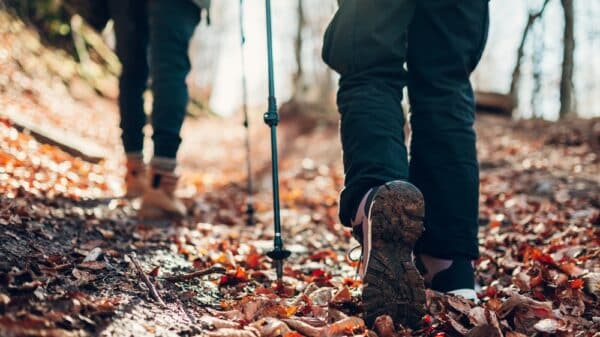
Some items on my day hike packing list may seem like luxuries, but I find them essential for enhancing the hiking experience. I always bring walking poles when leading group hikes. Although I don’t regularly rely on them, their availability helps others who may require assistance. The added stability they provide can benefit tired legs significantly.
Here are other essentials I include on my day hike packing list:
- A charged phone – This one is self-explanatory. It’s your camera for memories, a source for emergency contacts, and a tool for maps. Don’t forget a portable charger if you’re out all day; apps can drain your battery rapidly.
- Snacks – The right snacks can elevate a hike. Look for calorie-dense options to maintain energy levels. Items like trail mix, flapjacks, energy balls, and jerky perform well.
- Hydration – While some trails may have sources for refills, it’s crucial to carry sufficient water. I prefer to pack two 1L bottles—one with water and the other with squash or electrolytes, especially on longer hikes.
- First aid kit – Essential for hike leaders but just as critical for personal safety. Include items like plasters, KT tape, antihistamines, alcohol wipes, an instant ice pack, paracetamol, a tick remover, and a foil emergency blanket.
Rain Prep
When hiking in the UK, the weather can shift unexpectedly, so it’s prudent to prepare for all scenarios. The probability of rain is noteworthy.
Most high-quality daypacks feature a foldable rain cover to shield your gear from moisture. If yours doesn’t have one, you can invest in an additional rain cover that fits your bag. For particularly wet seasons, consider purchasing an internal dry bag to safeguard your belongings.
A waterproof jacket is a must-have, regardless of the forecast. I recently acquired the adidas Terrex Xperior 2L Gore-Tex jacket, which is lightweight, waterproof, breathable, and features zipped pockets for security. Its adjustable hem prevents rain from seeping in, and it conveniently folds into the hood for easy storage when the sun shines.
Additionally, lightweight, packable waterproof trousers are handy, as is a simple plastic bag that can serve multiple purposes, such as containing wet clothing or providing a dry surface for a meal break.
Sunshine
If luck is on your side, you might be treated to a beautifully sunny day, which has its own set of hiking necessities. My must-have items for a sunny outing include:
- Sunglasses – Protect your eyes from harmful UV rays while staying stylish.
- Sun lotion – A high SPF is critical on sunny hikes. Apply it generously before departure and bring it for reapplication.
- Hat – A cap shields your head from sun exposure while also keeping rain out of your eyes, useful for glasses wearers like me.
- Hydration – Hydration is vital in any weather, but especially important in hot conditions. Aim for consistent sips, and anticipate needing 0.5–1L of water per hour during intense heat. Electrolytes may also be necessary if sweat loss is high.
Post Hike Essentials
Don’t overlook the items you’ll need after your hike. Ensure your packing list also includes:
- Change of clothes – Include something warm, cozy, and dry. If hiking with kids, I suggest bringing an entire change of outfit, even on dry days, as they have a knack for turning small puddles into mud baths.
- Towel – Handy for drying off before changing into fresh clothes after getting wet or muddy.
- Bin bag – This can hold any wet or muddy clothing and safeguard your vehicle’s interior.
- Change of shoes – Even the best walking shoes can’t replicate the comfort of slipping into relaxed footwear after a long day.
- Money for the pub – A post-hike drink and a snack are part of the experience, right?
Packing these essentials in your car’s boot will ensure a smooth transition back to everyday life.
Final Thoughts
The joy of embarking on a day hike is unparalleled. Knowing you have an entire day to explore, engage with nature, and clear your mind is beneficial for mental health. Carrying the right essentials allows you to focus on enjoying the journey rather than worrying about hiccups along the way.
* Collaboration with adidas.