















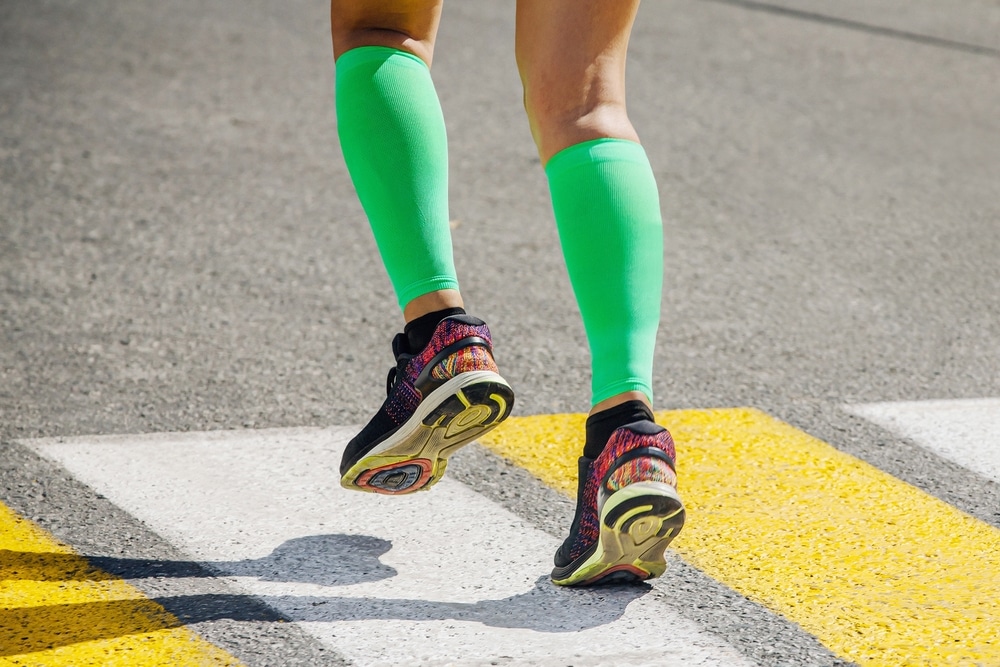
When it comes to athletic footwear, the choice of sneakers often takes center stage. However, the significance of selecting the right pair of socks shouldn’t be overlooked. Most individuals typically prioritize size and color, but there’s much more to sock selection than meets the eye. This applies equally to everyday socks as well as compression socks. Proper fit is essential, and here’s how to make an informed decision.
To navigate the nuances of sock selection, Theresa Marko, a board-certified clinical specialist in orthopaedic physical therapy, shares her expertise on choosing the most suitable socks for your needs. Here’s a deeper dive into the considerations you should keep in mind.
Factors to Consider When Choosing Everyday Socks
Size, height, and material are pivotal factors that significantly affect your sock experience. Personal preference plays a crucial role; ultimately, your goal is to find socks that keep you comfortable and support your range of motion throughout daily activities.
As Marko points out, “There are variations that should be taken into account, such as sock height and fabric composition.” These elements can dramatically influence both the feel and performance of your socks.

Finding the Perfect Fit for Your Feet
Size: To determine your correct sock size, you can either measure your foot from heel to the tip of your longest toe or use your current shoe size as a guideline. Most sock packages clearly indicate sizes and corresponding measurements.
Height: Sock height is a personal preference that may vary with different activities. Comfort should always be your priority. For no-show socks that fall below the shoe line, Marko recommends choosing pairs with rubber grips at the back of the ankle to minimize slipping and reduce the risk of blisters.
For activities like running or high-intensity interval training (HIIT), proper sock height is essential. “You don’t want to run in socks that continually slip off your heel,” says Marko. Look for socks designed to stay put, ensuring foot protection and comfort.
Material: Sock materials can range from cotton to blends of polyester and spandex, as well as wool. The right material can greatly affect your comfort level and safety, especially depending on the season and the physical activity involved. For example, cotton socks are not ideal for winter outdoor activities since they don’t wick moisture, compromising insulation.
During workouts, moisture-wicking materials are preferable to help prevent foot issues such as fungal infections and skin breakdown. According to Marko, “Some socks provide extra arch support and feel very comfortable when worn.”

Understanding Compression Socks: Two Main Types
Compression socks generally fall into two categories: Athletic and Edema.
Athletic: These are typically knee-high socks resembling traditional athletic wear. They provide support to the lower legs, promote venous return, and aid recovery through light compression, as Marko explains.
Edema: In contrast, Edema control socks resemble knee-high stockings and come in various gauges or tightness levels. Some may require a specialized tool called a “donner” to assist with putting them on, particularly for individuals with leg pooling due to aging or chronic conditions.

Selecting the Right Socks for Your Training Requirements
For Prolonged Standing & Long Runs: Compression socks are beneficial during extended periods of standing or sitting. Marko explains that blood can pool in the lower legs over time, making it challenging for veins to return blood to the heart. Compression socks can help combat this issue, making them ideal for jobs with extended standing, such as nursing and factory work, as well as long-distance runners or those who spend significant time seated at desks.
Lifting Weights: When lifting heavier weights, compression socks can promote better blood circulation and minimize the risk of blood clots. Wearing them during workouts can be advantageous for recovery afterward. However, Marko advises using lighter compression after a workout if you had on tighter socks during training.
When to Avoid Compression Socks: It’s generally not advisable to wear compression socks while sleeping. Marko recommends giving your skin a break from them every three days if you plan to use them regularly.

How to Choose the Right Compression Socks for You
Marko emphasizes that the level of compression should depend on your comfort level and any circulation issues you may have. If circulation is a concern, stronger compression may be necessary.
Those without circulation issues can opt for gentler compression options. Ultimately, it’s a matter of personal comfort; you should try different pairs to find what feels best. Ask yourself: Do they provide adequate support, or do they feel constrictive? The answer will vary from person to person.
Consulting with a physical therapist can provide valuable insights into the most appropriate type of compression sock for your specific needs!