















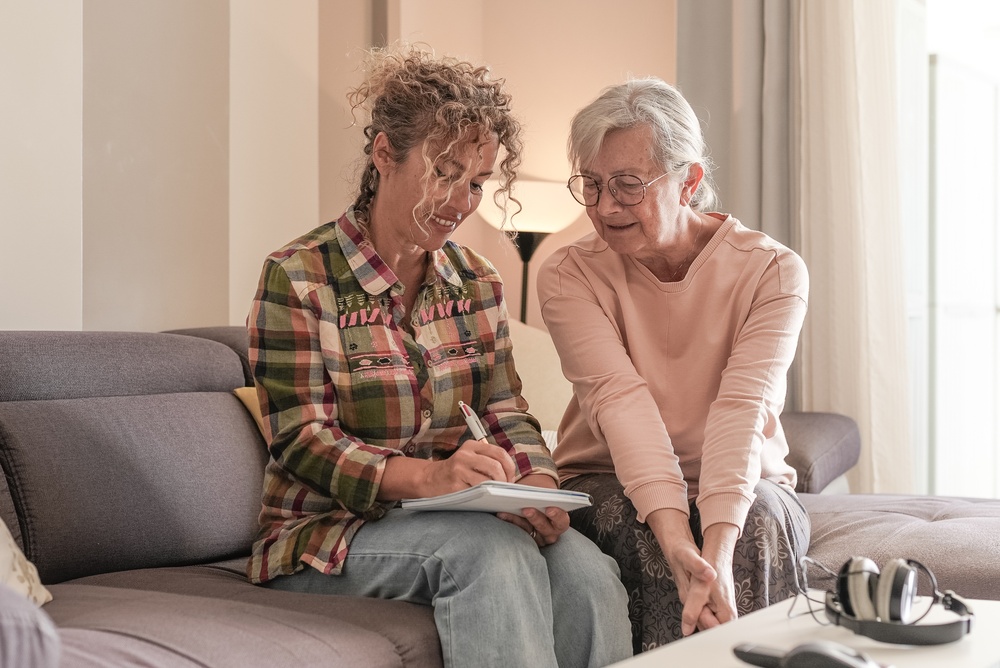
As parents transition into their later years, the family dynamic often shifts, placing more responsibility on adult children. This reversal of roles requires thoughtful consideration regarding their daily needs and whether their current living situation remains sustainable. Navigating this stage of life involves balancing their desire for independence with the practical necessity of support to ensure their long-term health and safety.
Evaluating the Best Living Arrangements for Aging Relatives
Determining the ideal residence for an elderly family member is a multifaceted decision. Many seniors prefer “aging in place,” staying in their own homes to maintain a sense of familiarity and independence. However, if symptoms of cognitive decline or dementia begin to surface, relocating them to your home may provide the level of supervision and safety they require. Alternatively, residential care facilities offer a structured environment where residents can socialize with peers and receive around-the-clock support, which can be vital for their overall well-being.
Maintaining Environmental Comfort and Physical Well-being
Supporting an aging relative involves monitoring their ability to manage essential daily tasks. It is important to ensure they have access to nutritious meals, maintain proper personal hygiene, and remain warm during colder months. If a senior is struggling to regulate their home temperature, practical interventions like providing electric heaters can make a significant difference. Furthermore, various professional support programs exist to help seniors manage energy costs, ensuring they do not have to compromise on warmth due to financial concerns.
The Impact of Consistent Social Interaction
While managing a busy personal schedule can be challenging, prioritizing regular visits is crucial for an elderly person’s mental and emotional health. Social isolation is a significant risk for those living alone; a consistent visitation schedule—such as three times during the week and once on weekends—provides the human interaction necessary to keep the mind engaged. This social stimulation is a key factor in supporting cognitive health and fighting the effects of isolation. It is also vital to remain reliable; following through on planned visits fosters trust and prevents feelings of loneliness.
Determining When Specialist Care is Necessary
There often comes a point where family-led support is no longer sufficient to meet a relative’s complex health or safety needs. Identifying when to transition to specialist care is a significant and often difficult milestone. This might involve hiring professional caregivers to assist with daily living within their home or moving the relative into a dedicated care facility. While making these choices can lead to feelings of guilt or a sense of failure, it is important to recognize that professional services provide specialized medical and physical support that ensures a higher quality of life for the individual.
Caring for aging relatives is a demanding but deeply meaningful responsibility that requires patience and careful planning. While the logistics of living arrangements and medical needs can be overwhelming, the primary goal is to provide a safe and supportive environment. By acknowledging your own limitations and seeking professional assistance when necessary, you can ensure your loved ones are treated with the dignity and care they deserve during their later years.