













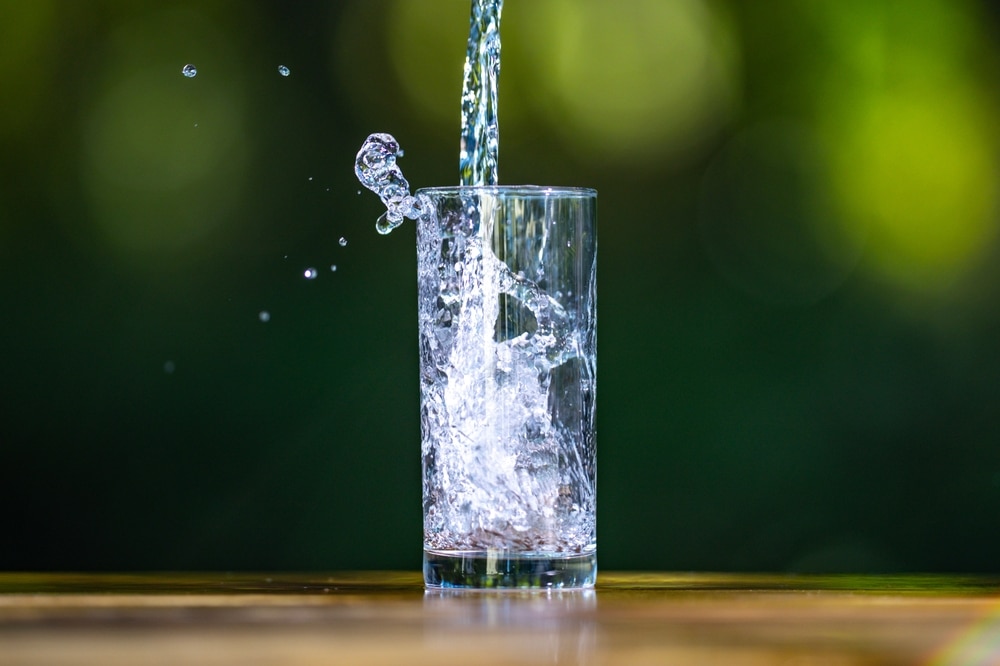
While many health-conscious individuals focus on organic diets and scrutinizing food labels, one of the most consistent daily inputs—drinking water—often escapes the same level of scrutiny. Microplastics have transitioned from a distant environmental concern to a direct component of our internal biology. They are now found in tap water, bottled beverages, and even the air, leaving consumers to navigate the practicalities of reducing exposure in an increasingly plastic-saturated world.
Understanding Microplastics and Nanoplastics
Microplastics are defined as plastic fragments measuring less than five millimeters in length. While some are visible to the naked eye, many are microscopic. Even more concerning are nanoplastics, which are measured in microns. These particles are so minuscule that they often bypass standard municipal water treatment facilities, which were originally designed to filter out biological pathogens and larger debris rather than synthetic polymers.
These contaminants enter our water supply through several common pathways:
- The gradual degradation of plastic bottles and food packaging.
- Microscopic fibers shed from synthetic clothing during laundry cycles.
- The erosion of plastic-based plumbing and infrastructure within residential buildings.
- Legacy municipal treatment systems that lack the specialized technology required to capture sub-micron particles.
Once these particles enter the water cycle, they are incredibly persistent, remaining in the supply until they are consumed or physically filtered out by advanced home systems.
The Regulatory Gap and Potential Health Implications
A major point of confusion for consumers is the annual water quality report provided by local utilities. While these reports track regulated contaminants like lead or chlorine, they almost never include data on microplastics. This is not because the water is “clear” of plastic, but because most water authorities are not currently required to test for it. This lack of data creates a false sense of security regarding the actual particle count in domestic tap water.
Independent laboratory testing using fluorescence microscopy has demonstrated that certified reverse osmosis systems can reduce microplastic particles larger than 10 microns to non-detectable levels. This provides a data-backed baseline for what is required to actually clear the water of these solids.
From a health perspective, the long-term effects of ingesting these polymers are still being studied, but current research highlights three primary areas of concern:
- Systemic inflammation caused by foreign particles in the gut and tissues.
- The potential for hormone disruption as plastics leach chemical additives.
- Oxidative stress at a cellular level.
Because microplastics do not biodegrade inside the human body, they can accumulate over time. Currently, there are no enforceable legal limits for microplastic concentrations in drinking water in either the United Kingdom or the United States.
The Limitations of Conventional Water Filters
Many household water filters market themselves as “total” solutions, yet few provide specific data on their ability to capture plastic. The effectiveness of a filter is determined primarily by its micron rating. If a filter has a pore size larger than 5 microns, it will allow the smallest and most prevalent plastic particles to pass straight through.
To effectively mitigate plastic ingestion, a filter must utilize a fine filtration medium rated at 1 micron or lower. Relying on vague marketing claims is often insufficient; consumers should instead look for verified laboratory results that specifically measure particle reduction.
Comparing Filtration Technologies for Plastic Removal
| Filter Technology | Effective for Microplastics? | Technical Insights |
|---|---|---|
| Reverse Osmosis (RO) | Yes | The gold standard; filters down to 0.0001 microns. |
| Submicron Carbon Block | Yes | Effective only if the rating is 0.5 microns or lower. |
| Ultrafiltration | Mostly | Excellent for particles but less effective for dissolved chemicals. |
| Standard Pitcher Filters | No | Pore sizes are generally too large to catch micro-particles. |
| Basic Faucet Attachments | Rarely | Typically designed for taste and odor, not micro-solids. |
| High-Micron Sediment Filters | No | Only captures large, visible debris above 5 microns. |
Reverse osmosis remains the most comprehensive solution. For those who cannot install under-sink units due to space or rental agreements, countertop RO systems provide the same level of protection without requiring permanent plumbing modifications. Submicron carbon blocks are a viable, cost-effective alternative that maintains water pressure while offering significant particle reduction.
Practical Steps to Reduce Daily Exposure
If you are concerned about the cumulative intake of microplastics, you can take several immediate steps to evaluate and improve your water quality:
- Review your micron ratings: Check the specifications of your current filter. If it is not rated for 1 micron or less, it is likely ineffective against nanoplastics.
- Prioritize Certification: Look for systems with NSF/ANSI 401 certification. This specific standard covers “emerging contaminants,” which includes various types of microplastics.
- Audit your plumbing: If your home uses older plastic piping (like certain types of PVC or PEX), a point-of-use filter at the kitchen tap is more effective than a whole-house system, as it catches particles leached within the home’s own pipes.
While the scientific community continues to investigate the long-term biological footprint of microplastics, the evidence suggests they are a permanent fixture of modern water supplies. Implementing a verified filtration strategy is a practical, low-effort way to reduce your daily chemical and polymer load, ensuring that your hydration supports your health rather than complicating it.