












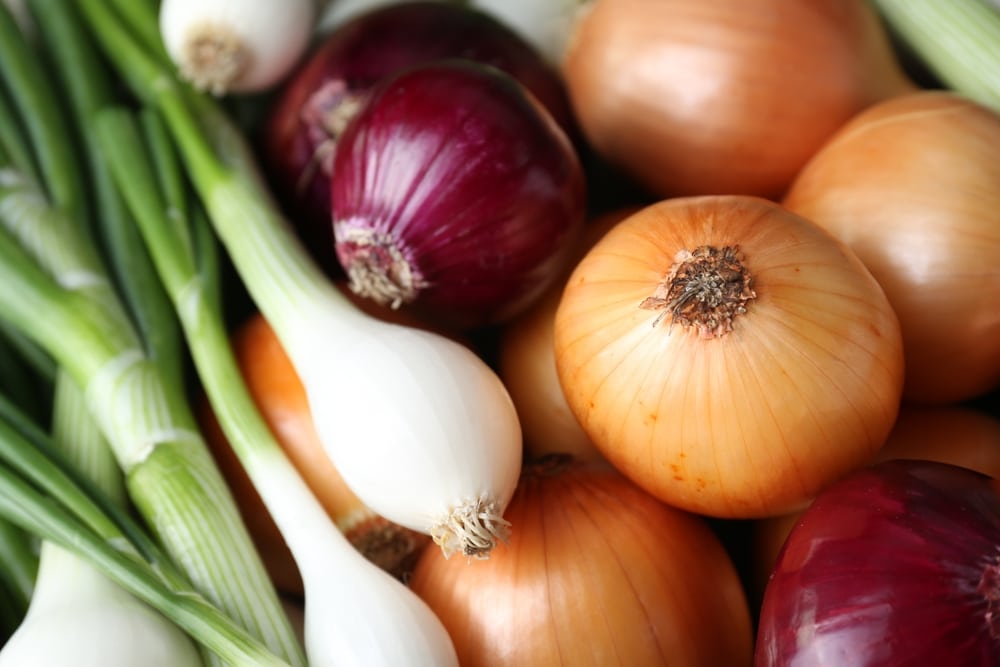
Let’s dive into how diet can influence weight loss, cholesterol, and polycystic ovary syndrome (PCOS). Have you ever wondered what a mere eighth of a teaspoon of onion powder could do for your body fat, or how raw red onion might impact cholesterol levels?
In a previous video, I explored the research on onions and their potential benefits. These range from boosting testosterone in men to promoting bone health and even alleviating side effects of chemotherapy. But let’s focus on the role of onions in weight loss. A study titled “Effect of Steamed Onion (ONIRO) Consumption on Body Fat and Metabolic Profiles in Overweight Subjects” caught my attention. Researchers utilized steamed onions, which have a milder flavor and less odor, to more effectively disguise them as a placebo. They transformed the onions into powder, providing participants with only a tiny 300 mg dose—roughly an eighth of a teaspoon—per day. Many would assume such a minor addition to their diet wouldn’t lead to any significant weight changes. However, the findings revealed otherwise: DEXA scans indicated a noticeable reduction in body fat mass, and CT scans showed decreases in total, visceral, and subcutaneous fat areas.
If this modest quantity of onion powder can yield such weight loss benefits, you might wonder why it’s not cited in my book, How Not to Diet. The reality is that studies often present findings in a way that emphasizes results, yet the details may tell a different story. The DEXA scans showed no significant fat loss in the placebo group, which only lost about 7 grams of fat. In contrast, participants unknowingly consuming the onion powder capsules lost nearly one and a half pounds of body fat. While that seems impressive, the result wasn’t statistically significant compared to the placebo group, which means the observed weight loss might just be random chance. This pattern was reflected in the CT scan data too: although the onion powder group appeared to lose significantly more fat, those results didn’t hold up under statistical scrutiny.
A subsequent study administered four teaspoons of onion powder daily, but once again, results compared to the placebo were unconvincing—they also received the same amount of yellow onions. Both onion types seemed to promote abdominal fat reduction, but the difference lacked substantial evidence. Reading between the lines, you might say, “What’s the harm in trying a small dose of onion powder?” While it might not hurt, the evidence to confirm its effectiveness hasn’t solidified.
Moving on to PCOS, a widespread hormonal disorder that affects between 5% to 10% of women of reproductive age offers another realm of exploration. This condition can lead to symptoms such as irregular periods and decreases in insulin sensitivity—making treatment complex, especially with the possibility of medication side effects. So, can dietary changes provide an alternative? Let’s examine studies involving raw red onion consumption.
Why onions, you might ask? Research has demonstrated that onion extracts can improve blood sugar levels and insulin sensitivity in diabetic rats, and they have been shown to lower blood sugar in human diabetics too, though this benefit doesn’t seem to extend to those without diabetes. Given that women with PCOS often experience pre-diabetic symptoms, could onions be beneficial? In one study, participants were divided into two groups, eating either a small onion (60 g) each day or consuming six cups of green beans. Each approach reduced blood sugar by approximately 10% and 15%, respectively, compared to a control diet.
Then, consider this study that claimed no benefits from onion consumption for those not dealing with diabetes. While it’s true that onions don’t seem to decrease normal blood sugar levels, they do have a noteworthy effect when sugar is consumed. When individuals consume about two and a half tablespoons (50 g) of corn syrup, their blood sugar levels rise rapidly. However, when the same sugar intake is paired with onion extract, the spike is significantly reduced, showing an effect comparable to a standard diabetes medication, as seen in my video Onions Put to the Test for Weight Loss, Cholesterol, and PCOS Treatment.
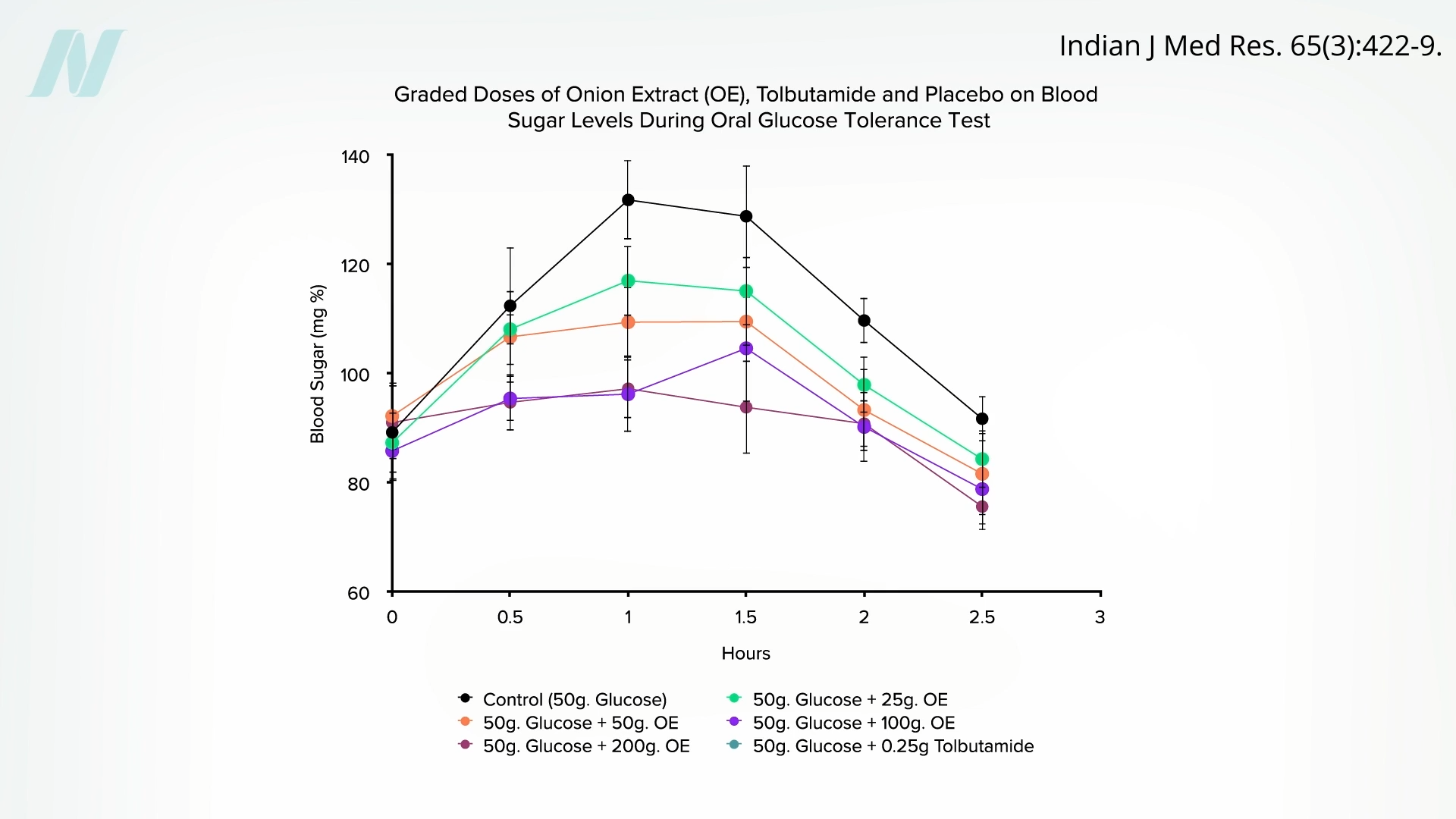
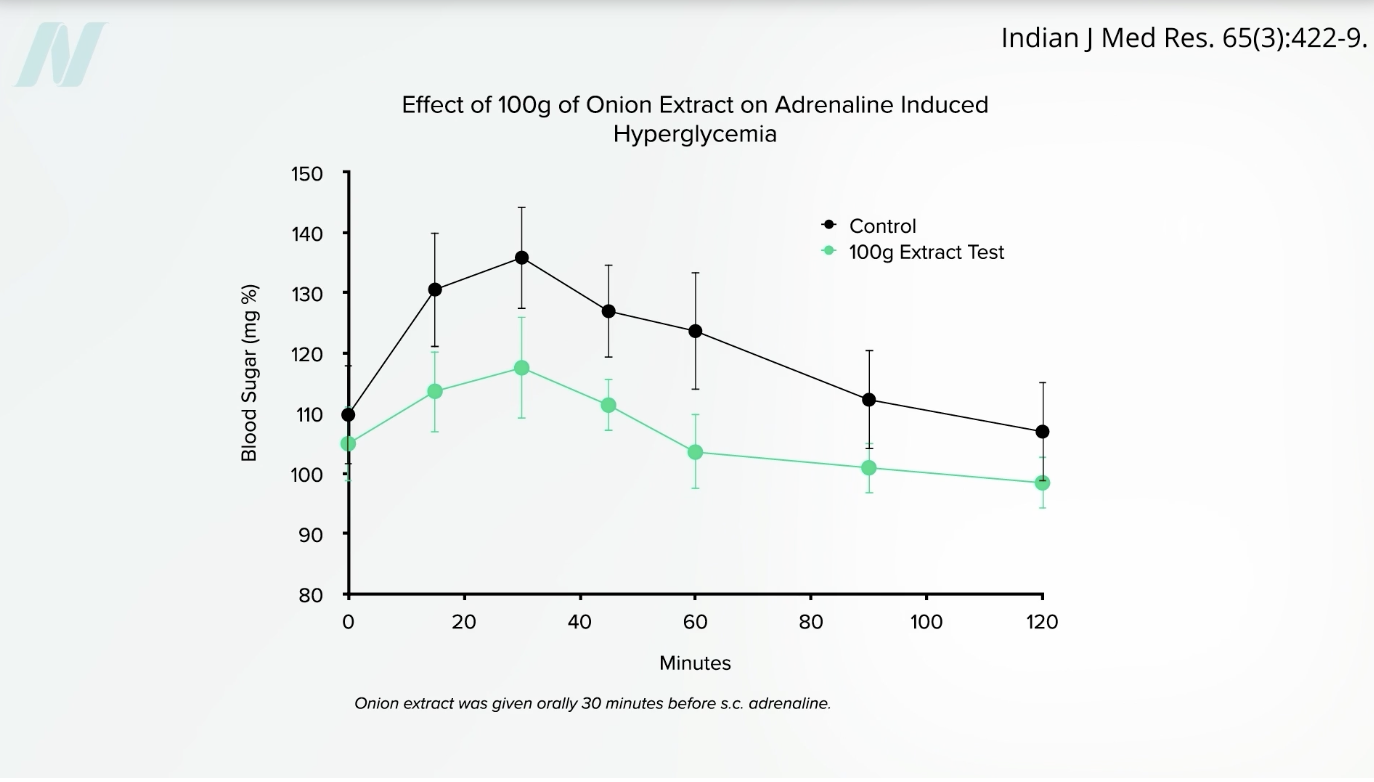
Interestingly, studies indicate a similar blood sugar reduction effect occurs when adrenaline is administered alongside onion extract, compared to receiving adrenaline alone, as depicted below and at 4:11 in my video.
A significant finding from the research indicates no differences in blood sugar levels or insulin resistance markers between high-onion and low-onion groups in PCOS patients. Additionally, markers of inflammation were consistent across both groups. However, women with PCOS face heightened risks for both diabetes and high cholesterol.
Research indicates that these women are more than seven times more likely to experience heart attacks and develop heart disease, which is a leading cause of death among women. Encouragingly, raw red onions have shown the potential to lower cholesterol levels, yet, intriguingly, the reduction in LDL cholesterol was only about 5 mg/dL, a change not significantly different from those consuming fewer onions.
There’s even an older study indicating that individuals who consumed nearly a full stick (100 g) of butter experienced a drastic spike of about 30 points in cholesterol levels shortly after, while combining that with raw or boiled onion saw only a minimal increase—not exceeding 9 points. The takeaway? Avoiding excessive butter seems wise.