















As a dedicated marathon runner, I recognize the distinct differences between long-distance runners and sprinters.
Completing a marathon requires building your endurance for 26.2 miles, which involves 16 to 20 weeks of longer, slower runs. In contrast, sprinters focus on developing speed and explosive power.
For the past three-and-a-half years, my fitness journey has revolved around completing all six Abbott Marathon World Majors. With that achievement behind me, I’m now exploring new fitness challenges and shifting my focus in the gym.
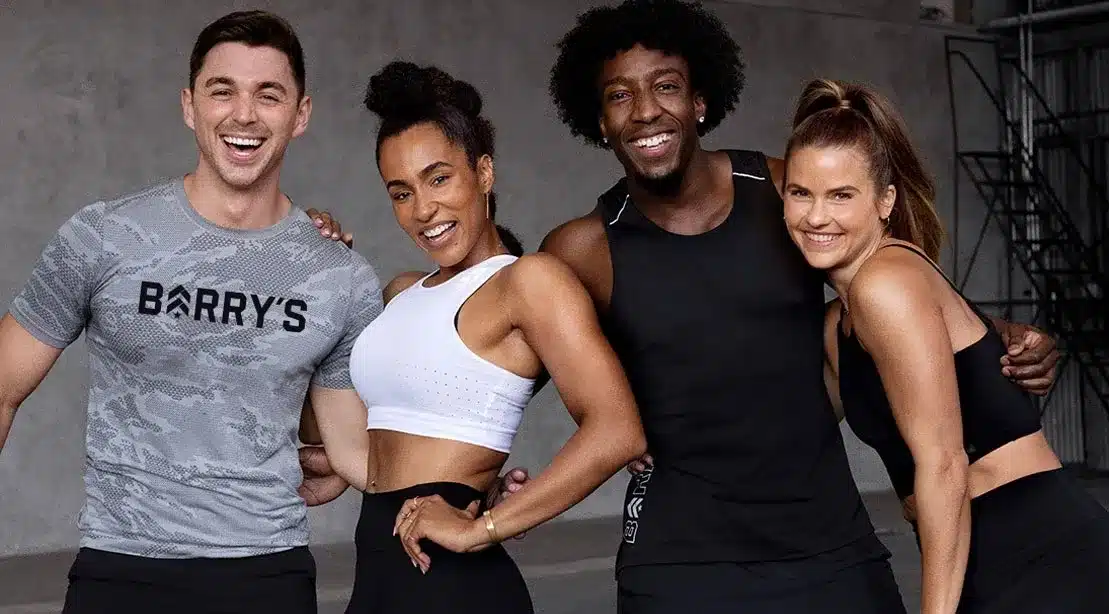
Barry’s Bootcamp has been a key part of my marathon training, blending cardio and strength training through high-intensity interval training (HIIT). In a typical 50-minute class, half the time is spent lifting weights while the other half involves running on the treadmill at varying speeds, incorporating walk breaks for recovery. This structure not only helps in burning calories but also improves speed over time.
If running isn’t your thing, Barry’s offers various classes, including lifting-only and cycle-lift options that replace the treadmill with a stationary bike. Regardless of your choice, all classes contribute to your fitness goals.
This spring, my focus turned toward improving my half-marathon time. I used this opportunity to prepare for three half-marathons scheduled for March. The first, the Disney Half Marathon on March 1, is a fun event packed with photo opportunities and character meet-and-greets. More seriously, I registered for the LA Half Marathon with CORE Response, where I currently hold my personal record, followed by the Ironman Triathlon relay in Oceanside later that month.
To prepare, I committed to Barry’s 30-day challenge, which involved completing 12 classes while also incorporating a weekly long run of 8 to 11 miles to ensure I was half-marathon ready. Given that I was running the Walt Disney World Princess Half Marathon before the challenge concluded, I had only 21 days to fit everything in and earn my rewards, including a gift card or a stylish water bottle. Despite the sweat and effort, I was eager to push myself and see the impact on my performance.
The Progress Was Real
I diligently noted my progress after each class and maintained a consistent routine. This included using the same pair of Brooks Glycerin GTS23. Although I engaged in a few lift sessions, I concentrated primarily on the traditional classes, treating them as speed workouts.
Each trainer offers unique styles, and every day emphasizes different muscle groups, so my growth wasn’t linear. Some sessions focused on challenging inclines, while others emphasized upper body strength.
I aimed to attend no more than three classes weekly as part of my training. My initial sprint on the treadmill reached 8.5 mph while lifting 15-pound weights. By the end of the challenge, I was comfortably lifting 20 to 25 pounds and sprinting at 10 mph.
Another significant achievement was increasing my endurance on inclines; by the end, I could manage a 6-8 incline for a minute, compared to struggling with even a 4 incline on day one.
Highs, Lows & Challenges In Between
Committing to the challenge pushed me onto the treadmill more than I typically prefer, and I certainly felt the effects in my legs. I usually favor outdoor running, so the consecutive treadmill sprints tested my endurance and left me acutely aware of my muscle soreness. Despite the physical challenges, I remained committed and proud of my dedication. This determination embodies what it means to be an athlete.
While the primary goal was to assess if changing my training strategy would enhance my strength and speed, the overall experience was a success. The real test came with my race times, and running two of the planned halves provided valuable insight.
It’s important to note that RunDisney events aren’t ideal for achieving personal records. I had a fantastic time engaging with fellow runners who treated the event as a training run for Boston. I wore the new Brooks Max 2 shoes, designed for long distances and previously helped me achieve a PR. However, I took substantial breaks for character interactions and bathroom stops, ultimately finishing slower than if I’d focused solely on racing. Regardless, I have zero regret about taking the time to enjoy the experience.
Even with those stops, I noticed a swifter recovery than usual, likely thanks to the rigorous weightlifting regimen I had maintained. Following the race, I spent the day walking around theme parks, covering over 20 miles with an early wake-up call, yet my body felt surprisingly agile.
Shortly after, I faced the LA Charity Half, where I hoped to beat my previous time. However, with temperatures climbing above 90 degrees, my focus shifted from a PR to simply finishing upright. I completed the race while feeling the effects of the heat, yet I felt great afterward due to the foundational training I had completed during the challenge.
Group Camaraderie
This workout format fosters a strong sense of individual determination while benefiting from the energy of a group. Instructors frequently remind participants that their speeds are mere recommendations; everyone should progress at their own pace.
Throughout my classes, I received personal acknowledgments from instructors, creating a supportive atmosphere that included high-fives among participants after intense runs. The presence of others running at varied speeds encouraged me to push my limits. It sparked a thought: if my neighbor can achieve 10.5 mph, I can too.
Occasionally, I recognized familiar faces, but my individual progress was also reflected in an app. I admit it motivated me to keep striving forward when I saw others exceeding me on the leaderboard.
While I’m unsure what I’ll do with my rewards for completing the challenge, I can confidently say I’ve emerged stronger, both mentally and physically. Completing this challenge has added one more accomplishment to my bucket list.