












Key Takeaways
- A recent viral claim suggests that having wine with pizza won’t spike blood sugar levels in people with type 1 diabetes.
- The fat and protein in pizza may slow carbohydrate digestion, while alcohol can temporarily delay blood sugar spikes.
- Experts warn that these benefits are short-lived and may complicate blood sugar management later on.
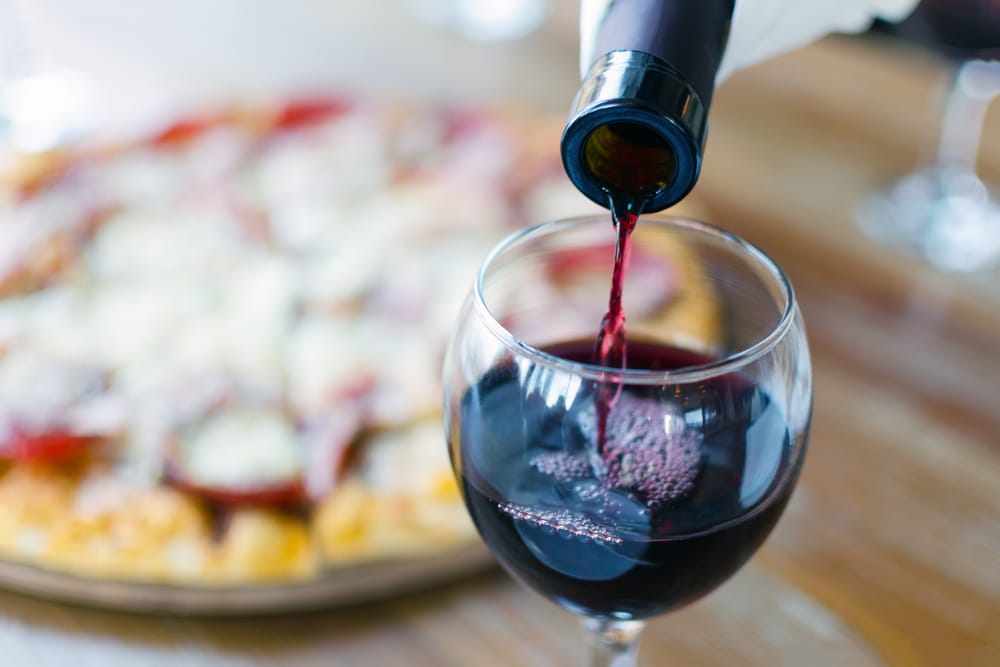
A trend on social media promotes the idea that pairing pizza with wine can prevent blood sugar spikes for those living with diabetes. Health professionals acknowledge some truth in this but caution that the benefits might be exaggerated.
Why the Fat and Protein in Pizza May Prevent Spikes
The belief that enjoying pizza with wine might help avoid blood sugar spikes relates to the fat and protein content in pizza, explained Lauri Wright, PhD, RDN, LDN, director of Nutrition Programs at USF College of Public Health.
Studies indicate that fat and protein can slow carbohydrate absorption, potentially minimizing the blood sugar impact after meals.
“Fat and protein in pizza slow gastric emptying, causing a delay in how quickly carbohydrates are absorbed,” Wright noted. However, she stressed that this delay does not eliminate blood sugar increases entirely.
Does Wine Help Blunt Blood Sugar Spikes?
The claim extends to how wine interacts with blood sugar, particularly for individuals with diabetes.
“Alcohol is a toxin, and your liver focuses on metabolizing it,” explained Amanda Sauceda, MS, RD, a nutrition lecturer at California State University, Long Beach.
This means that when alcohol is consumed during a meal, the liver prioritizes processing it over glucose regulation.
As a result, people with diabetes may observe less of a blood sugar surge when having pizza with wine.
“This often translates to a delayed and extended increase in glucose levels, rather than a complete avoidance of spikes,” Wright clarified.
Should You Drink Wine When You Eat Pizza?
While some individuals with diabetes may find their blood sugar levels seem more stable with this pairing, experts advise against relying on it as a blood sugar management strategy.
Even if blood sugar levels don’t initially spike, Wright emphasized that they could still rise hours later. “For those with type 1 diabetes, this delayed increase can complicate glucose management significantly,” she cautioned.
Wright added that alcohol could also result in postponed hypoglycemia, a serious risk for individuals with diabetes, especially overnight. “This approach can pose risks if insulin dosing and monitoring are not meticulously handled,” she cautioned.