













Key Takeaways
- Monk fruit is a no-calorie, no-carbohydrate sugar substitute, which may help manage weight and blood sugar.
- Monk fruit may have health benefits due to its anti-inflammatory and anti-cancer properties.
- Monk fruit is generally recognized as safe, but long-term studies are still needed to examine potential adverse effects.
Monk fruit stands out as a healthier alternative to traditional sugar and artificial sweeteners. While research is still catching up, emerging evidence hints at its potential health benefits, including antioxidant properties and suitability for those managing diabetes.
1. May Support Weight Management by Replacing Sugar
Monk fruit is a zero-calorie sweetener, boasting sweetness that ranges from 100 to 250 times that of regular table sugar. This unique quality of monk fruit makes it particularly useful for individuals looking to manage their weight without sacrificing sweetness.
It offers a subtle fruity flavor, reminiscent of melon rind. While some may notice a faint bitter aftertaste, it remains less pronounced than in other natural sweeteners like stevia.
Despite some promising findings regarding monk fruit as a sugar substitute, continued investigation is required to fully understand the long-term implications of its consumption.
2. Suitable as a Diabetes-Safe Sweetener
Monk fruit delivers sweetness without calories or carbohydrates. Preliminary animal studies suggest it does not influence blood sugar levels. However, more research is needed to determine if these effects also extend to humans.
3. Offers Antioxidants to Shield Against Cellular Damage
Antioxidants help maintain balance against unstable molecules known as free radicals, which can exacerbate inflammatory responses. Research on animals has indicated that monk fruit contains anti-inflammatory components like mogrosides.
4. Potential Anti-Cancer Characteristics
Ongoing research suggests that a compound known as mogroside IVe found in monk fruit might inhibit cancer growth in certain human studies.
Is Monk Fruit Safe or Are There Risks?
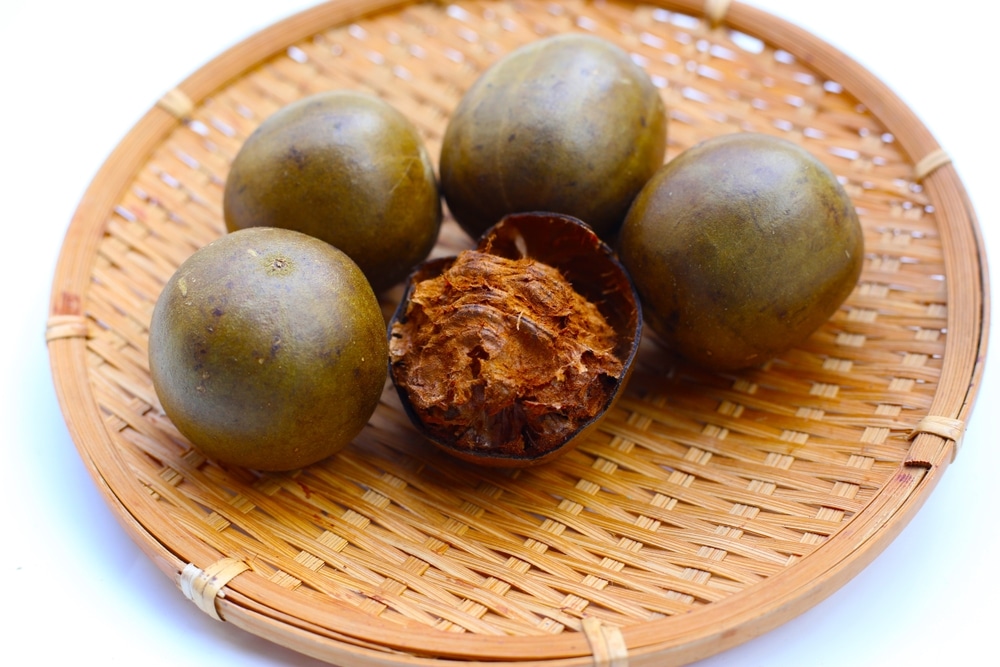
Monk fruit, scientifically known as Siraitia grosvenorii or luo han guo, is a gourd native to Southern China, primarily cultivated for its sweet fruit extract, which becomes sweeter than sugar once dried.
Categorized as a food additive, the U.S. Food and Drug Administration (FDA) oversees monk fruit’s regulation during food preparation.
The FDA has classified monk fruit as generally regarded as safe (GRAS). This designation indicates thorough investigations into both its benefits and drawbacks, leading to the conclusion that it serves as a safe sugar alternative. Its regulation is primarily based on its mogroside IVe content.
Research has not revealed any significant adverse effects related to monk fruit sweetener consumption. It is classified as safe for both children and pregnant individuals. However, due to the relatively recent advent of monk fruit products and the lack of extensive human studies, the long-term safety remains undetermined.
How to Incorporate Monk Fruit into Your Diet
Although there are no official guidelines on daily monk fruit consumption, the FDA has reported that excessive intake has not led to side effects or health issues.
Nonetheless, moderation is encouraged. If you experience any adverse changes after consuming monk fruit, it’s prudent to consult with a healthcare provider. Current research is still limited regarding monk fruit’s effects on human health.
Monk fruit serves as an excellent substitute for sugar in various recipes, such as:
- Baked goods like cookies, cakes, and muffins
- Beverages ranging from coffee and tea to homemade lemonade
- As a sweetener for fruits and dairy products like yogurt
It’s essential to follow brand instructions carefully when substituting sugar with monk fruit, as some blends can be used in a 1:1 ratio, while others are significantly sweeter with recommended ratios of up to 12:1.
Monk fruit is available in various forms, including:
- Powdered monk fruit sweetener: Ideal for enhancing glazes and frostings.
- Monk fruit syrup: Perfect for sweetening drinks and recipes requiring liquid sweeteners.
- Granulated monk fruit sweetener: Can replace granulated sugar, but be cautious about the ratios indicated on the packaging.