
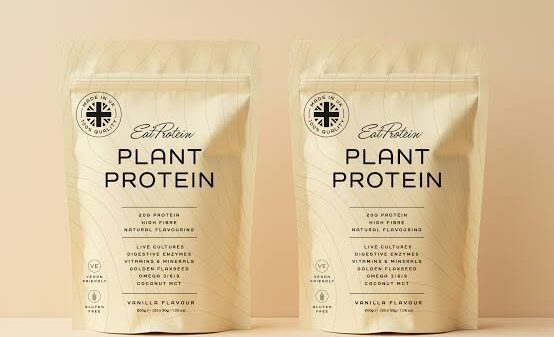















When you embark on your fitness journey, remember that your time spent exercising is only part of the picture. The other crucial element is your dietary choices. What you consume after those intense workouts significantly influences your recovery and progress. Feeding your body the right nutrients post-exercise is essential to aid muscle repair and growth. Yet, many overlook the importance of smart recovery foods, mistakenly believing that a simple scoop of protein powder is sufficient for bouncing back effectively.
Curious about how to optimize your recovery nutrition? Here’s a selection of scientifically supported foods that can enhance your recovery, proving that you don’t need to rely solely on protein powders.
Evidence-Based Post-Workout Foods
Lean Pork Tenderloin for Enhanced Muscle Protein Synthesis
If you want to amplify your post-workout efforts, consider incorporating lean meats into your meals. According to research published in the American Journal of Clinical Nutrition, healthy adults who consumed low-fat pork containing 20 grams of protein and 4.4 grams of fat experienced a 47% increase in muscle synthesis after resistance training compared to those who ate higher-fat pork containing the same amount of protein but more fat—20.6 grams.
This difference suggests that the nutrients present in the food matrix, beyond just protein, can impact muscle recovery. The slower digestion and absorption of amino acids from fattier meat may delay muscle protein synthesis. If you’re eager for prompt recovery, lean meats like pork tenderloin, chicken breast, and white fish are excellent first meal options after exercising.
Eggs: Whole Eggs vs. Egg Whites – Which Should You Choose?
It’s time to rethink your post-exercise recovery with eggs as a key player. Research by the University of Illinois compared the effects of three whole eggs versus a mixture of egg whites providing 18 grams of protein on muscle protein synthesis rates after resistance training. Despite having the same protein content, findings published in the International Journal of Sports Nutrition and Metabolism revealed that muscle-building rates from whole eggs were roughly 40% greater than from egg whites. The yolk appears to enhance the efficiency of protein utilization in your muscles, suggesting that the whole is indeed better than the individual parts.
There’s no need to follow the classic cinematic approach of downing raw eggs for recovery. A study in the Journal of Nutrition demonstrated that boiled eggs after resistance training resulted in a more significant increase in essential amino acids compared to raw eggs, although muscle protein synthesis levels remained unchanged.
Prep hard-boiled eggs in advance for a convenient post-workout snack or enjoy scrambled eggs on toast for an ideal recovery meal.
Salmon for Muscle Recovery and Cardiovascular Benefits
Adding salmon to your post-workout meals can significantly benefit your muscle recovery. The omega-3 fatty acids in salmon have been shown to help reduce muscle soreness from exercise-induced damage. This is particularly helpful when training multiple days consecutively, as it can lower feelings of discomfort and inflammation. While the exact quantity of omega-3s needed isn’t well-defined, increasing intake from fatty fish such as salmon, sardines, and mackerel is beneficial. Additionally, salmon provides a good source of protein to accelerate muscle recovery.
Whether fresh, smoked, or canned, salmon makes for an excellent choice after a workout for its health-promoting omega-3s.
Greek Yogurt for Building Muscle, Supporting Bones, and Boosting Immunity
Post-gym snacking can be enjoyable and nutritious with Greek yogurt. This creamy dairy option is a fantastic recovery food, as research indicates that a protein-rich Greek yogurt can help diminish bone breakdown, enhance immune function, and promote muscle growth. You can expect around 20 grams of high-quality protein in a cup, making it an easy option with no cooking necessary.
Moreover, the probiotics in Greek yogurt may also aid recovery post-exercise. For maximum benefits, opt for plain yogurt to avoid added sugars and sweeten it naturally with antioxidant-packed berries.
Almonds for Reduced Muscle Damage
If you dedicate significant time lifting weights, make almonds a staple in your diet. A recent study revealed that consuming two ounces of raw almonds daily can help decrease muscle damage, lower sensations of pain, and preserve muscle strength after resistance training when compared to consuming a similar calorie content from pretzels, which did not deliver the same benefits. The exact mechanism by which almonds support muscle health is still unclear, but their nutrient-rich profile likely plays a role.
A two-ounce serving offers about 12 grams of protein, aiding in recovery. Keep in mind that this portion contains around 320 calories, so be mindful not to exceed it to maintain balanced calorie intake.