












Key Takeaways
- Some added fibers on nutrition labels can misrepresent their true benefits.
- These fibers may not provide the same advantages as those found in whole foods.
- They can be helpful for those needing additional dietary fiber, but relying solely on them can lead to missing out on other essential nutrients.
Many adults in the U.S. could benefit from increasing their fiber intake, but experts advise against relying only on added fibers found in processed foods.
Dietitians have pointed out the presence of “fake” fibers labeled on packaging, which do not provide the same health benefits as those in whole foods, such as fruits and vegetables.
What Are ‘Fake’ Fibers?
The term “fake fiber” is not a scientific classification but rather a popular label for highly processed fibers incorporated into various foods, according to Debbie Petitpain, MBA, RDN, a Charleston-based registered dietitian and spokesperson for the Academy of Nutrition and Dietetics.
These fibers may also be referred to as functional, isolated, or added fibers, Petitpain told Verywell.
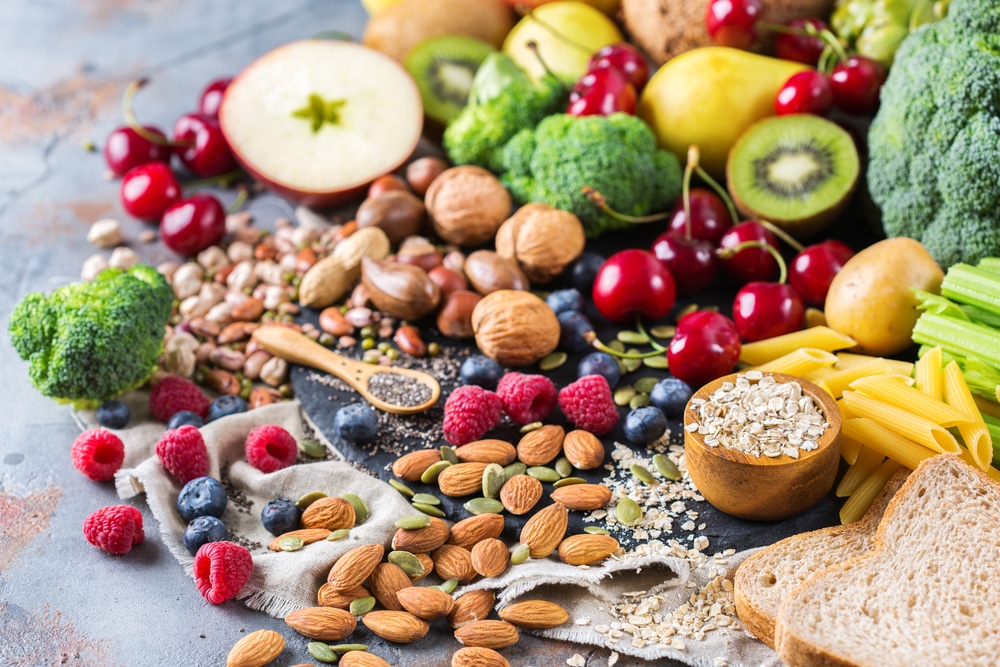
In contrast, fiber naturally found in whole foods offers additional nutrients like vitamins, minerals, and plant compounds. On the other hand, “fake” or isolated fibers are derived from plants or synthetically created and included in foods to enhance their fiber content for labeling purposes.
According to Petitpain, manufacturers often add these fibers to processed foods to make them appear healthier, allowing them to be marketed as ‘high fiber’ or ‘good source of fiber.’
Foods can be classified as “high fiber” if they contain at least 20% of the recommended Daily Value (which is 28 grams) per serving.
How to Spot Fake Fibers on Nutrition Facts
To identify fake fibers on nutrition labels, check the section labeled “dietary fiber” under “total carbohydrates.”
If you notice a surprisingly high fiber content—around 8-10 grams or more in a small serving, especially if it lacks sources of natural fiber like whole grains, legumes, or vegetables—that likely indicates added isolated fibers, according to Matthew Landry, PhD, RDN, an assistant professor of population health and disease prevention at UC Irvine.
The FDA permits both natural and added fibers to contribute to a processed food’s total dietary fiber. Since this figure does not distinguish between natural and added fibers, it’s helpful to examine the ingredient list for further context.
Watch for added ingredients like inulin, chicory root fiber, polydextrose, resistant maltodextrin, or soluble corn fiber, Landry noted. Other added fibers to monitor include cellulose, rice bran, and xanthan gum.
Are Fake Fibers Harmful?
Adults typically require between 25 and 35 grams of dietary fiber daily to promote stool bulk and assist in lowering blood sugar and cholesterol levels. While it’s advisable to derive fiber from whole foods, the so-called fake fibers are unlikely to negatively affect your health.
According to Petitpain, “Added fibers are not inherently harmful, but they do not match the nutritional value of whole-food fiber. They can be beneficial for those who are slightly lacking in fiber intake.”
If you choose to increase your fiber consumption, even from added sources, ensure you drink enough water and allow your gut time to adjust to prevent discomfort, such as gas or bloating.
The FDA confirms that certain added fibers, including beta-glucan, psyllium husk, cellulose, guar gum, pectin, locust bean gum, and hydroxypropyl methylcellulose, might provide health benefits for humans. These fibers may assist in reducing glucose and blood pressure levels while promoting regular bowel movements.