















Key Takeaways
- The ideal time to consume carrots for eye health is not dictated by the clock, but rather by pairing them with meals or snacks that contain fats.
- Carrots are rich in beta-carotene, which your body converts into vitamin A—a vital nutrient for eye health.
- Since beta-carotene and vitamin A are fat-soluble, you maximize eye health benefits by consuming carrots alongside foods rich in healthy fats, like nuts, seeds, oily fish, eggs, and avocado.
Carrots provide numerous health advantages, particularly in promoting eye health. When consuming carrots, their effectiveness can be significantly influenced by how you pair them with other foods to enhance nutrient absorption.
Pair Carrots with Healthy Fats for Optimal Nutrient Absorption
Pair carrots with meals or snacks containing fats to optimize eye health results.
The vivid orange hue of carrots stems from beta-carotene, an antioxidant pigment that your body transforms into vitamin A. Vitamin A is fat-soluble; for the best absorption, it should be consumed with healthy fats.
One cup of raw carrots delivers 102% of the recommended daily intake of vitamin A.
Vitamin A supports eye health for several reasons:
- It is an essential component of rhodopsin, a retinal protein that reacts to light and aids night vision.
- It nourishes various parts of your eyes, such as the conjunctival membranes and cornea, keeping them hydrated.
Best Pairings for Enhanced Absorption
Since beta-carotene is fat-soluble, your absorption improves when combined with fats. However, select your fats wisely. Research indicates that foods with unsaturated fatty acids enhance beta-carotene absorption two to three times more effectively than those with saturated fats.
Foods rich in unsaturated fatty acids that pair well with carrots include:
- Nuts and seeds
- Nut butters
- Avocado
- Eggs
- Oily fish
- Olive oil
Raw vs. Cooked Carrots
Beta-carotene is more accessible from cooked carrots than raw ones. This means your body can absorb more vitamin A when you consume cooked carrots.
Cooking breaks down carrot cell walls, making beta-carotene easier to release and absorb. Cooking carrots in olive oil (an unsaturated fat) aids in nutrient absorption.
Enjoying raw carrots is still beneficial. You can obtain ample beta-carotene from them. Chewing them longer can further enhance beta-carotene release—a study found a 5-6% increase in release with prolonged chewing.
Carrot Juice Considerations
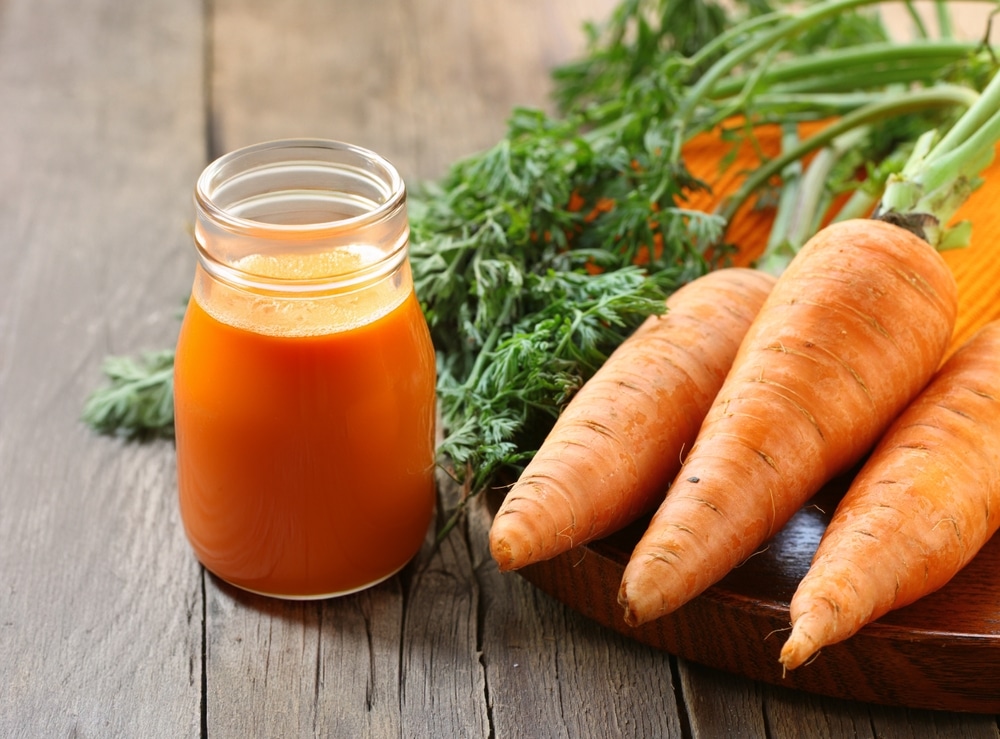
Carrot juice, particularly without added sugar, shows significantly better bioavailability of beta-carotene compared to raw carrots. The removal of fiber in juice enhances beta-carotene release.
However, fiber remains a critical component of a nutritious diet, and many individuals do not consume enough. Vitamin A deficiency is relatively uncommon. While carrot juice offers more beta-carotene, it is advisable to balance juice consumption with a fiber-rich diet.
Additional Carrot Benefits
While eye health may be the most highlighted benefit of carrots, they offer numerous other health advantages, including:
- Supporting bone health due to potassium and vitamin K.
- Enhancing digestive health and promoting regular bowel movements thanks to their fiber.
- Contributing to heart health and maintaining healthy blood pressure levels due to their fiber and potassium content.
- Boosting the immune system through their vitamin C, carotenoids, polyphenols, and other nutrients.
- Potentially lowering the risk of certain cancers due to their antioxidant properties.
- Assisting in weight management as a low-calorie, nutritious snack.
- Promoting skin health due to nutrients like vitamin C and carotenoids.
- Potentially reducing the risk of type 2 diabetes owing to their beta-carotene levels.
Recommended Carrot Consumption Frequency
Carrots are a nutritious root vegetable that can boost your vitamin A intake. However, they are just one of many sources of vitamin A, and some experts advocate for spinach due to its slightly higher vitamin A levels and lower sugar content.
Other significant sources of vitamin A include:
- Beef liver
- Cantaloupe
- Herring
- Mangos
- Pumpkin
- Red peppers
- Spinach
- Sweet potato
Meanwhile, there’s no definitive guideline for how often to eat carrots. Aim for a balanced diet with various vitamin A sources instead of relying solely on carrots daily.