














Eating potatoes in specific ways can significantly impact your health. When you consume them cold, such as in a potato salad, or after chilling and reheating, you may experience nearly a 40% reduction in glycemic response.
Research compiling various studies on potato consumption reveals noteworthy findings. While an association exists between potato types and chronic disease risks, particularly with French fries, boiled, baked, or mashed variants show a different trend. They don’t correlate strongly with high blood pressure. However, a slight risk for type 2 diabetes remains relevant. This complicates the conversation around categorizing potatoes as vegetables within your daily fruit and vegetable servings.
When you examine other whole plant foods—nuts, vegetables, fruits, and legumes—they present compelling benefits for longevity. These foods correlate with lower risks of cancer, cardiovascular diseases, and overall mortality. Unfortunately, potatoes don’t yield the same protective measures. Their lack of impact on mortality may be viewed as a downside. Unlike meat, which appears to negatively influence lifespan, the situation with potatoes is more nuanced.
However, there’s an opportunity cost associated with consuming white potatoes. Each bite could represent a missed chance to opt for an even healthier choice—one potentially conducive to a longer life.
Potatoes bring a complex set of outcomes. Their effect on mortality risk seems neutral, likely due to beneficial aspects such as fiber, vitamin C, and potassium being counteracted by their high glycemic index. High glycemic diets are strongly linked to the development of type 2 diabetes, with recent evidence pointing to a direct cause-and-effect relationship.
A group representing the potato industry funded a study asserting that non-fried potatoes do not adversely affect blood sugar markers. But when compared to refined carbohydrate sources, these results lack robustness. Foods with a glycemic index (GI) above 70 are classified as high-GI, placing items like pure sugar water at 100. White bread and white potatoes fall into this high-GI category. Comparatively, intact grains like barley groats rank as low-GI foods, showcasing the stark difference.
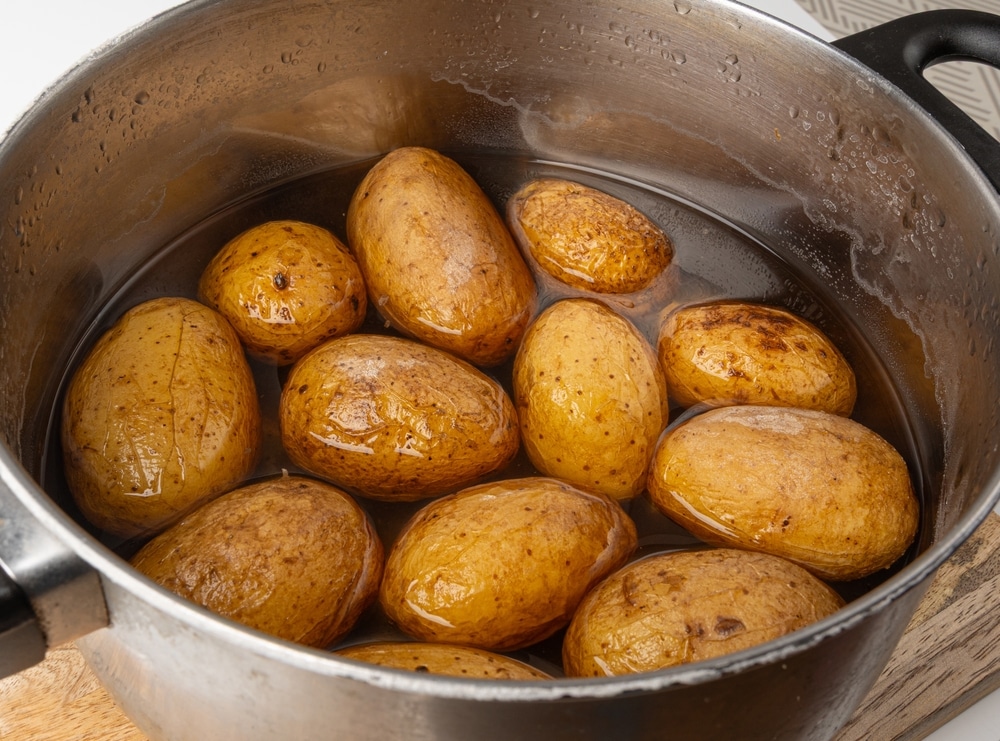
Can we enjoy potatoes while managing their glycemic impact? Boiling and cooling potatoes can convert some starch into resistant varieties, which remain undigested, thus potentially lowering their glycemic index. However, the amount of this resistant starch created is minimal, making it a less appealing solution for everyone. Despite this, tests reveal a notable decrease in glycemic index when comparing cold to hot potatoes.
By opting for chilled potato salad, you can benefit from a lesser glycemic effect. Chilling may also slow down the rate of starch digestion and absorption. Those who wish to lower their glycemic index could consider pre-cooking potatoes and serving them either chilled or reheated. One downside to cold potatoes is their reduced satiation. A balanced approach may involve cooling first and then reheating, a method that proved effective in my book How Not to Diet. The most satiating food in tested scenarios turned out to be boiled, cooled, then reheated potatoes.
Interestingly, potatoes contain a protein known as potato protease inhibitor II that can suppress appetite, although preparation matters significantly. Boiled and mashed potatoes outshine French fries in terms of satiety. But what of baked versions? Research shows that participants experienced reduced appetite after consuming boiled mashed potatoes compared to white rice or pasta, both of which didn’t provide the same levels of satisfaction associated with traditional fried potatoes.