















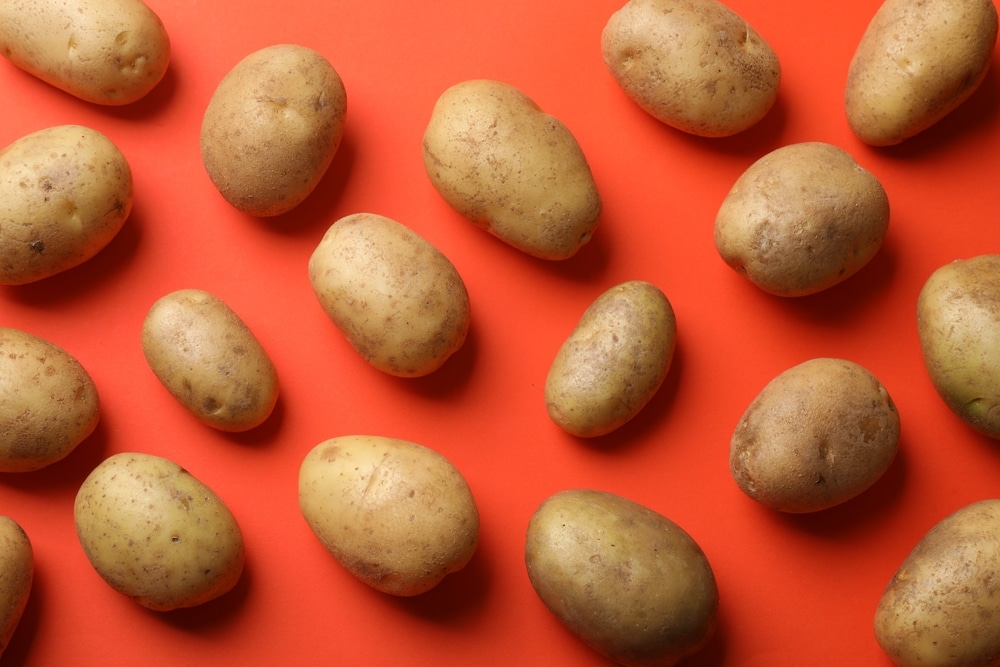
Exploring how to manipulate the glycemic index of white potatoes can revolutionize your meals.
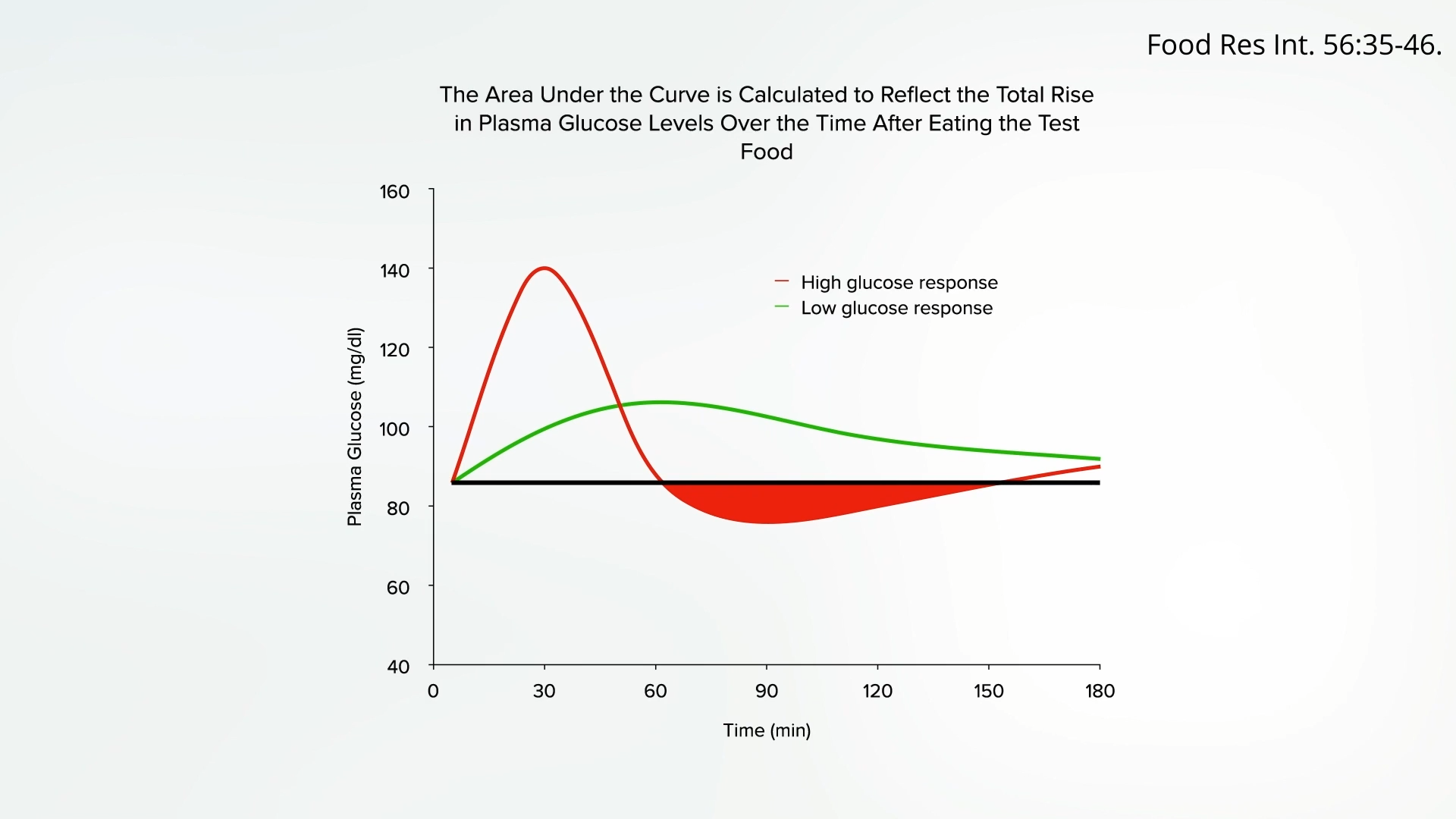
White potatoes rank high on the glycemic index, causing rapid spikes in blood sugar levels. Consuming foods that impact blood sugar in this way can elevate the risk of diabetes over time. After a meal, an ideal scenario sees our blood sugar rise gently, then taper off naturally. However, high glycemic foods like potatoes can provoke a sharp spike, prompting our bodies to overreact with insulin. This reaction can drop blood sugar too low, leading to adverse metabolic outcomes, such as increased triglyceride levels in the bloodstream, which you can discover more about in my video How to Reduce the Glycemic Impact of Potatoes.
Nevertheless, potatoes offer benefits as a source of vitamin C, potassium, and polyphenols, which may help mitigate their glycemic effects. This nuanced effect could explain why potatoes don’t negatively impact lifespan, unlike other plant foods known to promote longevity linked with healthy living.
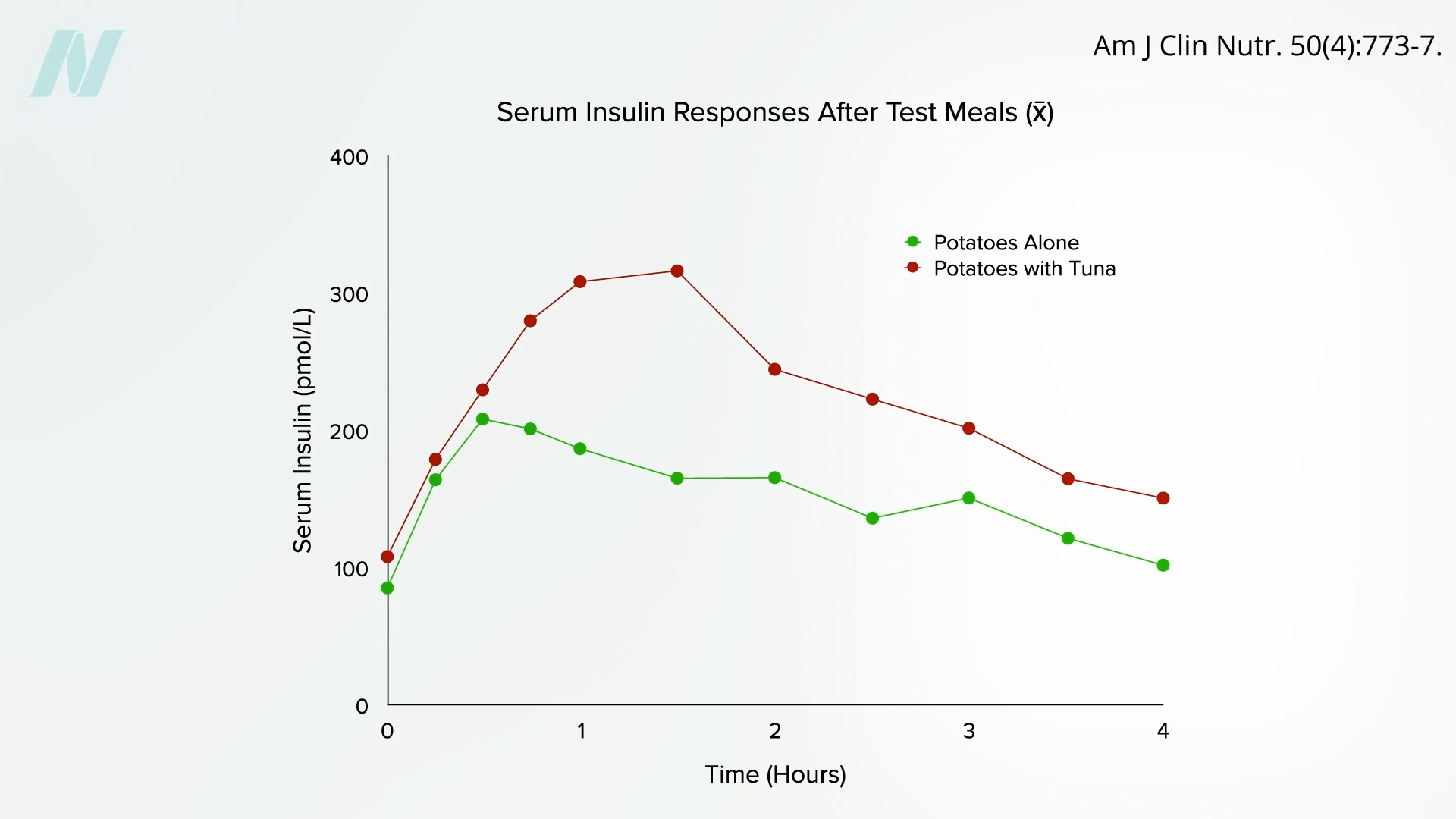
In my previous article, I shared how chilling cooked potatoes can significantly lower their glycemic index, a fact that remains consistent even when reheating them. But how else can we diminish the glycemic impact of white potatoes? The solution might be simple: introduce broccoli into your meals. Including just two servings of cooked broccoli with your mashed potatoes can slash insulin needs by nearly 40%. On the contrary, adding chicken breast aggravates the problem, while increasing the problem even further, nearly doubling the insulin output needed, as illustrated below and highlighted at 1:31 in my video.
What is the underlying reason that plant-based proteins benefit blood sugar response while animal-based proteins do the opposite? The answer lies in the reduced intake of branched-chain amino acids, which foster better metabolic health. I delve into this subject further in my book How Not to Diet, alongside insights shared in my video.
Referencing How Not to Diet, let’s consider vinegar. The graph below illustrates blood sugar and insulin spikes experienced by individuals with prediabetes after eating a bagel. Consuming the same bagel with a tablespoon of diluted apple cider vinegar significantly mitigates these spikes, noticeable in the data below and captured at 2:10 in my video.
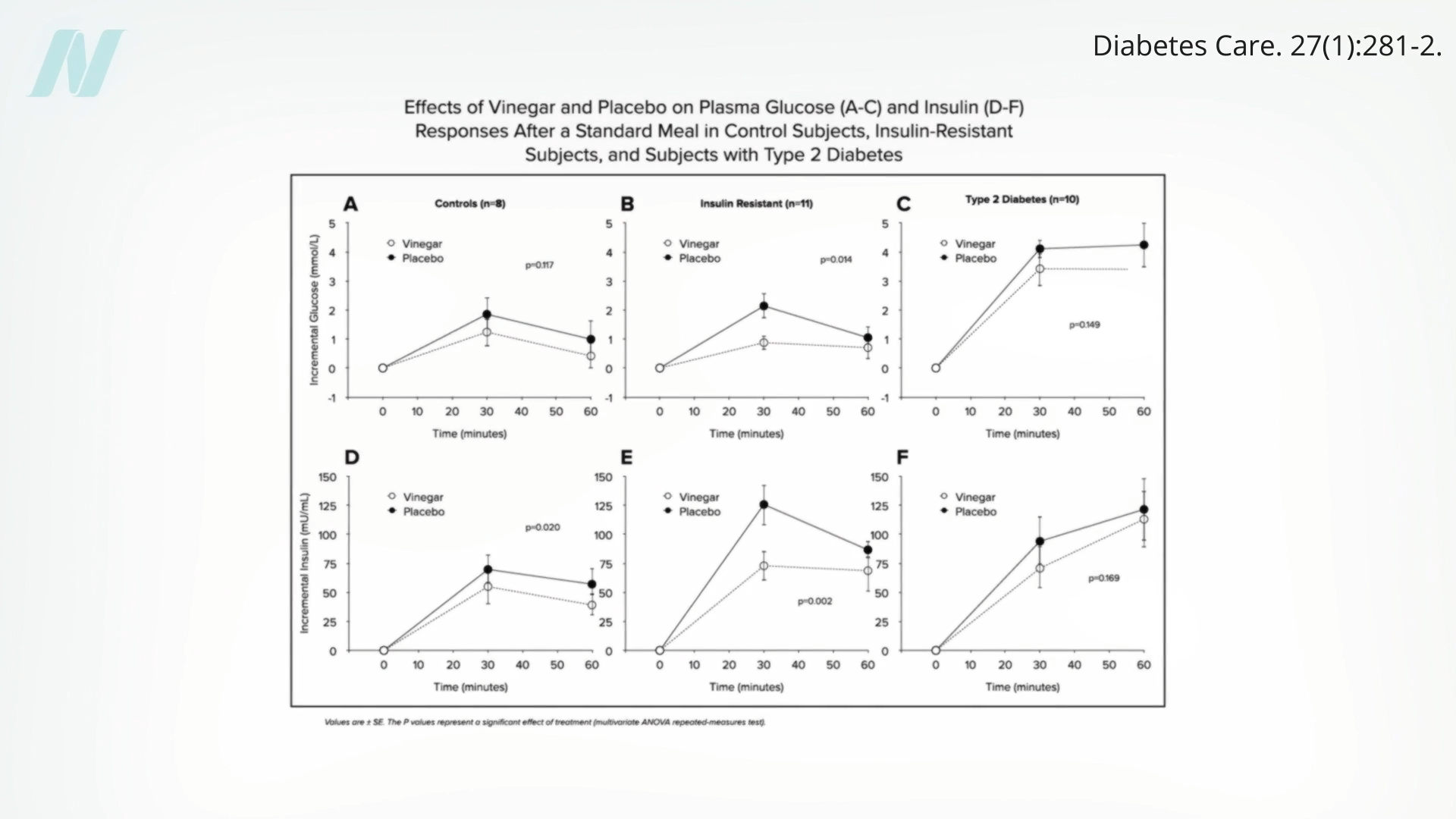
Does this approach apply to potatoes as well? Chilling potatoes can help lower blood sugar and insulin spikes, but for a more profound impact, adding a tablespoon of vinegar can reduce these levels by 30% to 40%. All this can be accomplished with just standard white vinegar.
What about acidity? Would other acidic condiments yield similar results? In lab tests, lemon juice showed promising starch-blocking effects, but real-world applications require further testing. In practical terms, lemon juice did show reduced glycemic responses to bread by around 30%, illustrated below and highlighted in my video at 2:50.
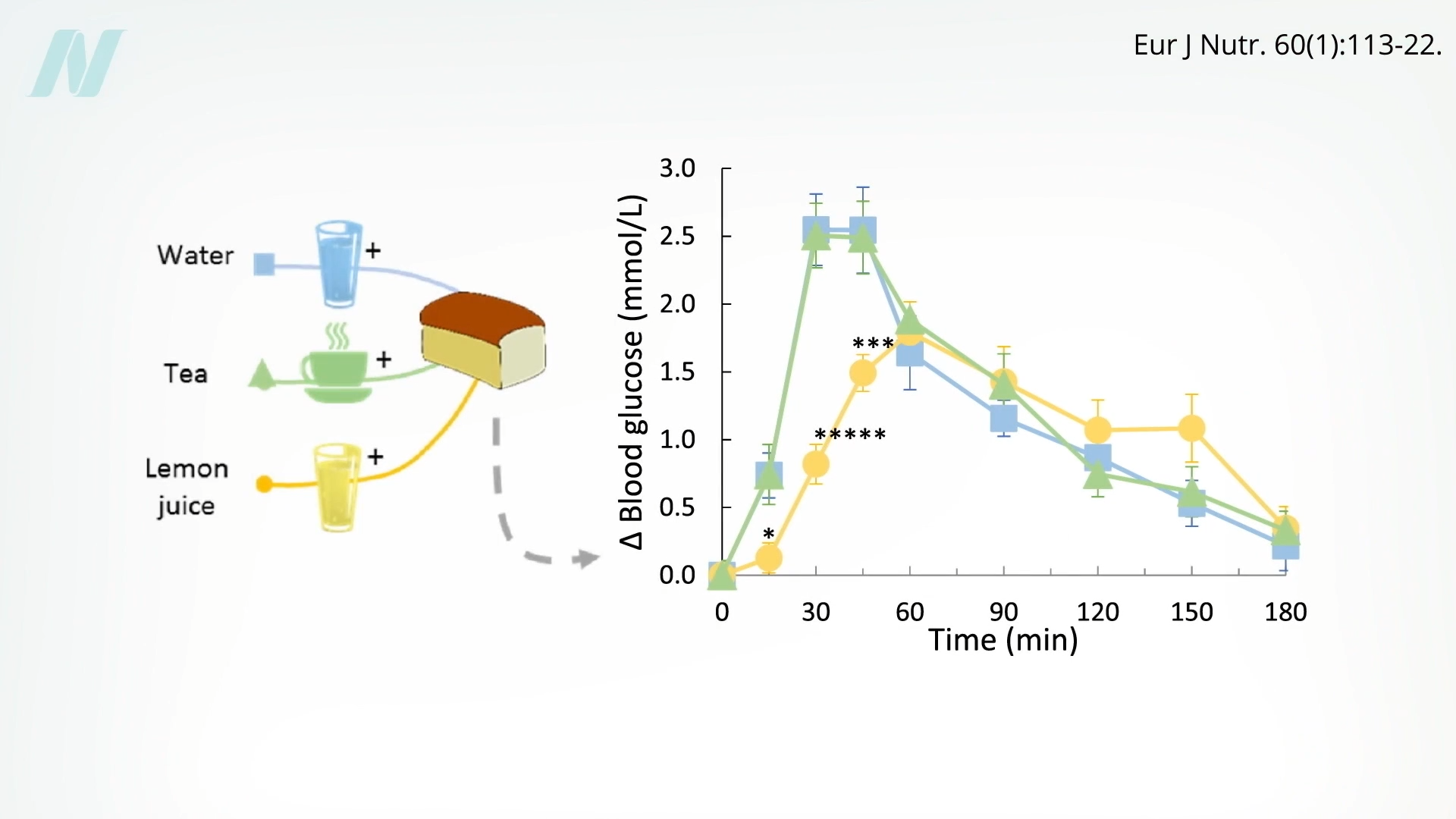
In the study, participants consumed half a cup of lemon juice. Remarkably, they still experienced an improved blood sugar response despite the additional half teaspoon of sugar. Vinegar tends to be more effective, as consuming one to two tablespoons daily diluted in water can significantly enhance blood sugar management for those with diabetes. As such, incorporating vinegar into their diet could be beneficial for such individuals.
Doctor’s Note
This marks the fourth video in a five-part series on potatoes. If you missed the first three, be sure to check them out:
Do you have concerns regarding the glycoalkaloid toxins in potatoes? I’ll address those in my concluding video of the series: The Healthiest Type of Potato.