














Choosing organic foods is a decision many health-conscious individuals face. A common question is whether this choice can lower cancer risk, especially in light of ongoing debates about pesticides and their potential health effects.
Recent reviews highlight a significant body of evidence linking pesticide exposure to cancer. Some researchers even assert that the impact of pesticides on cancer development “cannot be doubted.” However, most findings primarily connect pesticide exposure to occupation-related, high-risk groups such as farmers or residents in high-spray areas, as noted in my video Pesticides and Cancer Risk.
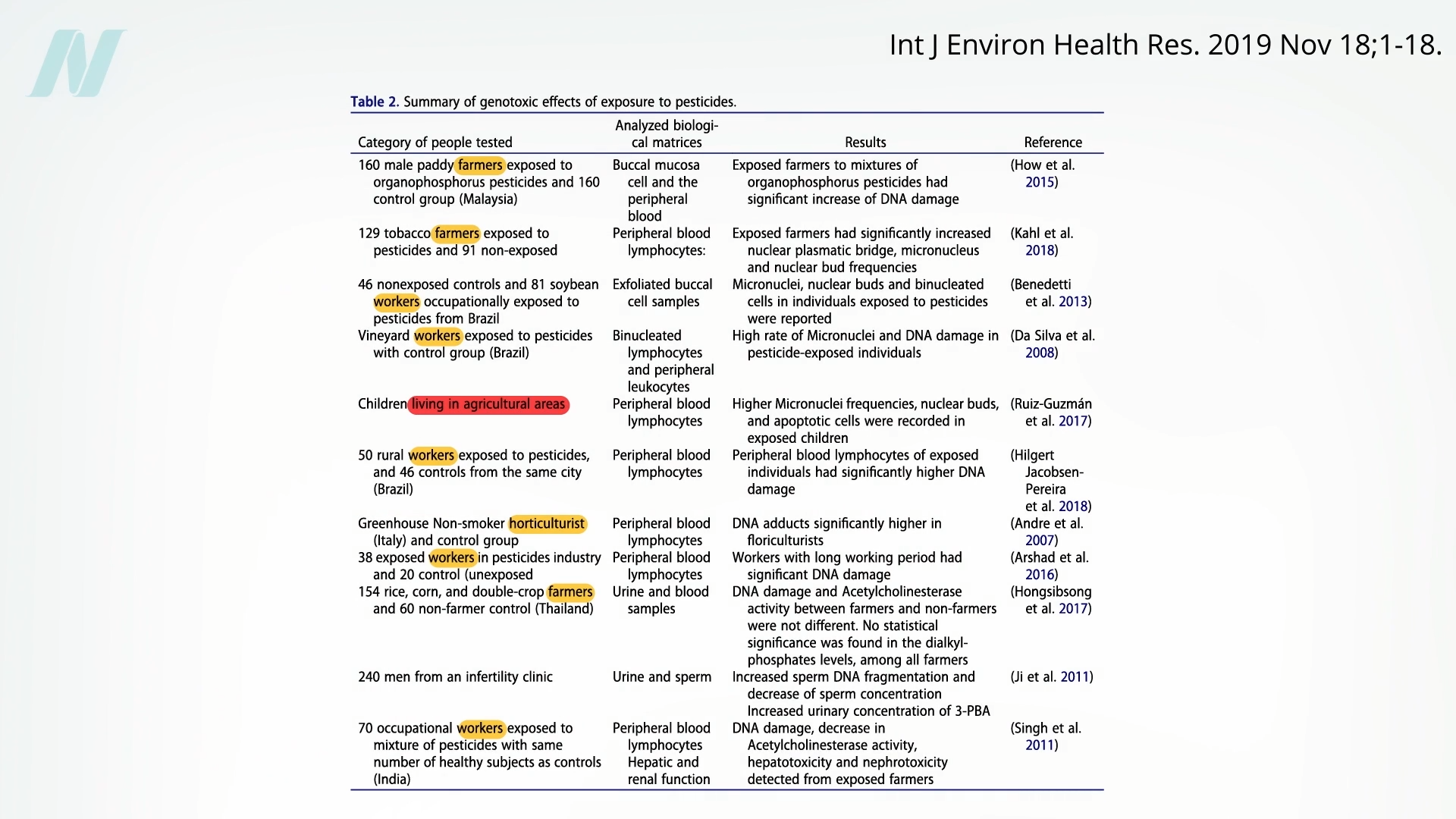
Moreover, there is evidence showing non-occupational pesticide exposure may lead to DNA damage—specifically, a study found fragmentation in sperm of men with elevated pesticide levels. This study took place in China, where pesticide concentrations may be up to four times higher than in many other regions.
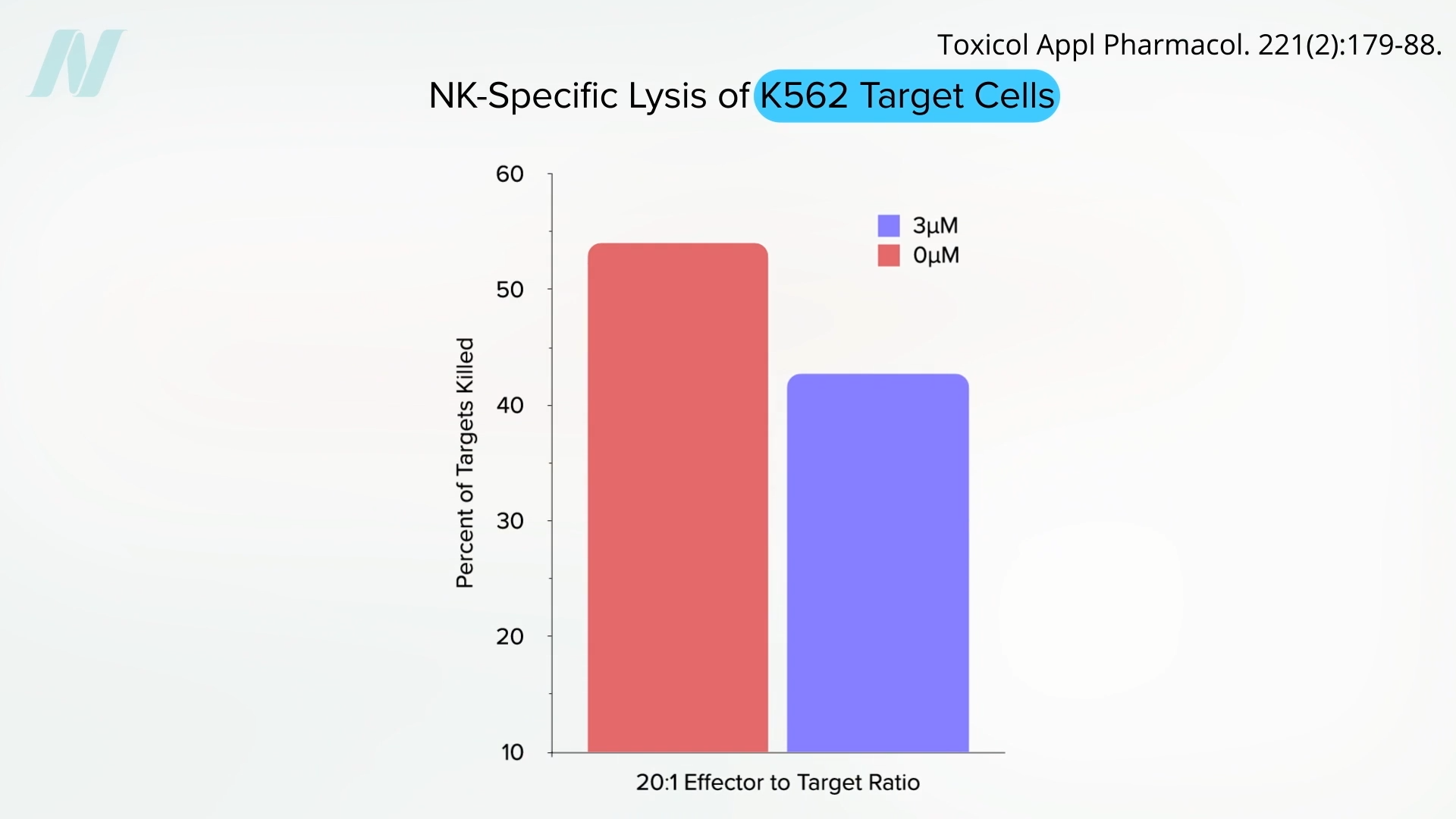
Another concerning aspect of pesticides is their potential to hinder anticancer immunity. Our natural killer (NK) cells, vital players in fighting cancer, can be adversely affected by pesticide exposure. Research indicates that when NK cells encounter pesticides in laboratory settings, their ability to combat cancer cells diminishes significantly. Without pesticide interference, these cells can eliminate over half of leukemia cells, but even small amounts of pesticides drastically reduce their effectiveness, as illustrated in my video.
How significant are these pesticide levels? Some researchers studied pesticide levels found in individuals actively applying these chemicals. But what about the residual pesticides residing on produce? Is opting for organic food for cancer prevention genuinely worthwhile?
Studies show that over 90% of the U.S. population has detectable levels of pesticides in their blood or urine, indicating these chemicals often come from the food we consume. Controlled studies demonstrate that switching from conventional to organic diets can significantly alter urinary pesticide metabolite levels. However, this does not inherently mean these residues cause harm.
The long-term health implications of consuming pesticide residues are still unclear. A recent study found that individuals who reported a high frequency of organic food consumption had approximately a 25% reduced risk of cancer. This research stands out as it effectively assesses the relationship between organic food frequencies and cancer risk while controlling for other influential factors. Even factoring in differences in age did not nullify the observed lower cancer risks for organic consumers. Researchers also accounted for lifestyle choices—affluence, education, fitness, diet quality—yet the association remained strong, drawing their conclusion that increased organic food consumption correlates with reduced cancer risk.
This particular study was among the most methodical undertaken, but earlier research that involved more participants found little evidence linking organic food consumption to decreased overall cancer rates—except perhaps for non-Hodgkin lymphoma. The data visualized in my video provides a clear depiction of these findings.
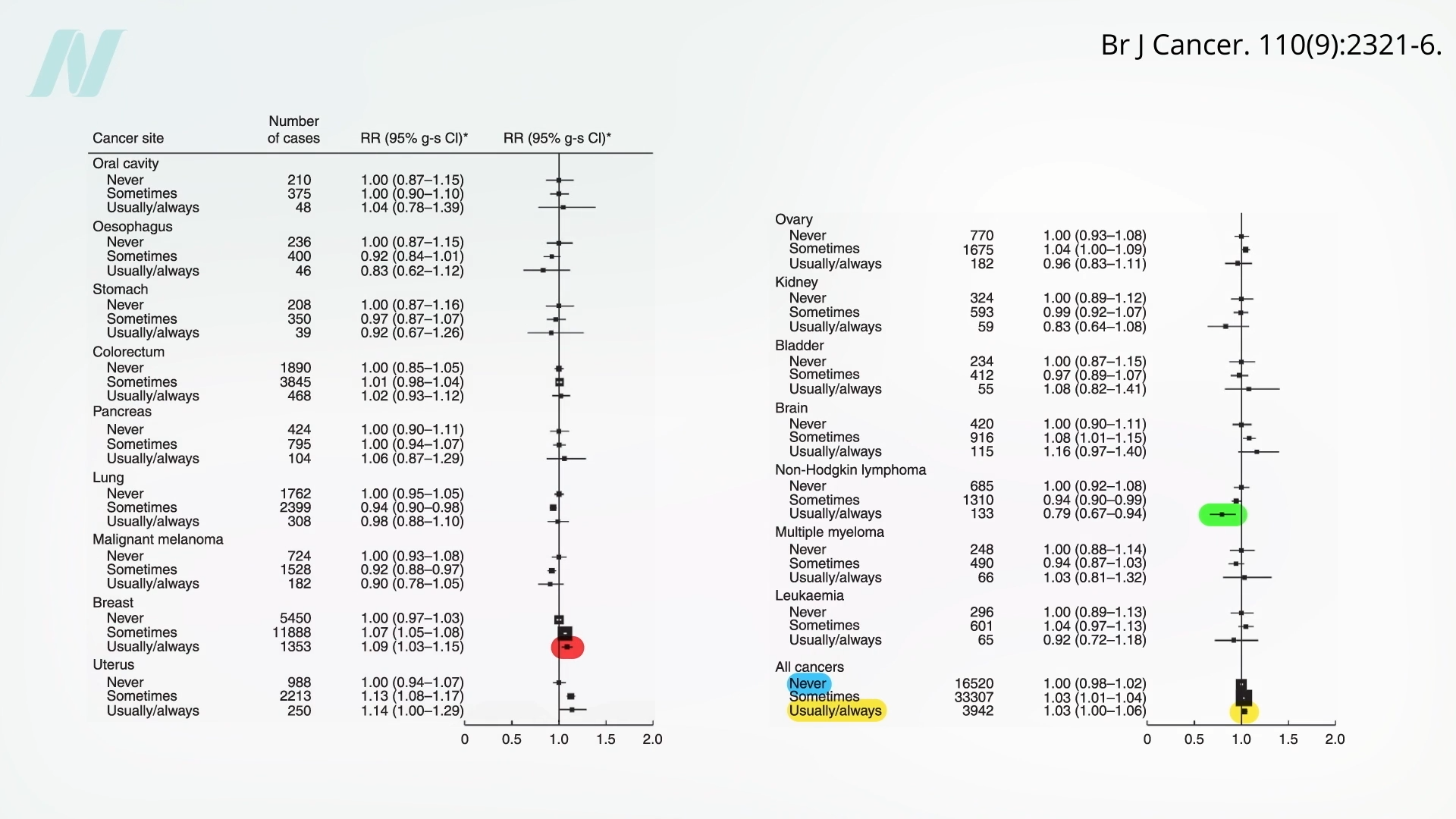
Overall, the findings show no substantial cancer risk differences between individuals who choose organic most of the time and those who seldom do. The only noted discrepancies were a lower incidence of non-Hodgkin lymphoma and a potential increase in breast cancer rates among organic consumers. Is it possible that women opting for organic foods may have a higher endowment for regular cancer screening, contributing to higher breast cancer detection rates? We lack definitive answers to these questions.
Beyond cancer concerns, overall mortality risk is crucial. Research indicates that higher blood concentrations of a pesticide known as beta-hexachlorocyclohexane correlate with significantly shorter lifespans. To minimize exposure, historical studies revealed that breast milk from vegetarian mothers contained less beta-hexachlorocyclohexane compared to non-vegetarian mothers, implying potential dietary impacts on pesticide levels.
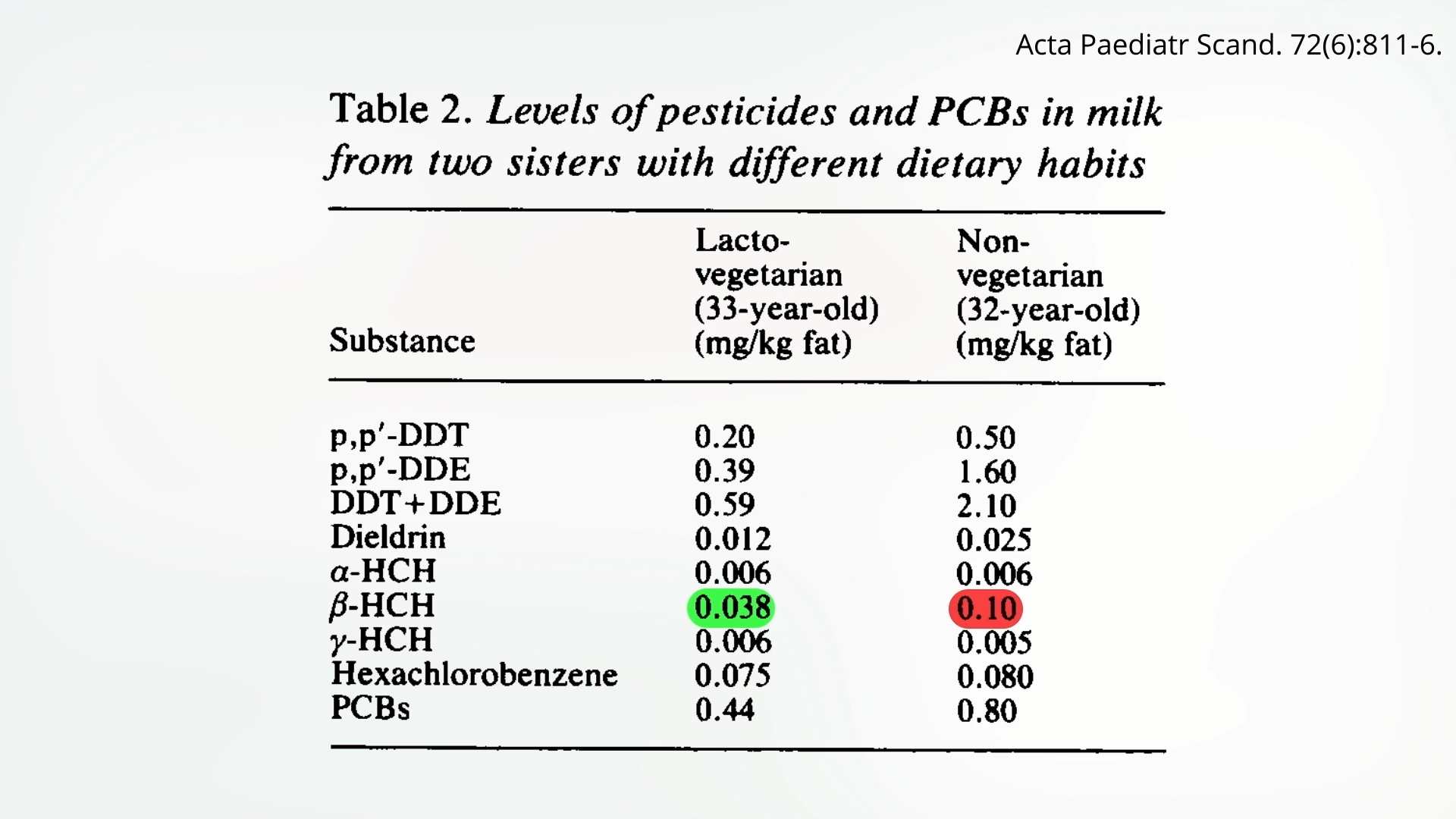
This observation aligns with the understanding that fat-soluble pesticides accumulate more readily in animal-based foods.
Recent research examined polychlorinated biphenyls (PCBs) and their links to increased mortality risk, primarily found in animal-derived products like dairy and eggs. Contrasting this, studies found that vegans exhibit considerably lower PCB levels, aligning with heightened health, although they did not exhibit reduced beta-hexachlorocyclohexane levels.
The bottom line is clear. If you’re concerned about the adverse health impacts of pesticides, consider reducing animal product intake. However, regarding fruits and vegetables, the advantages of consuming conventionally grown produce far outweigh possible pesticide exposure risks. Questions about pesticides should not deter anyone from filling their diets with ample fruits and vegetables. The potential negative effects of pesticides might reduce lifespan by mere minutes, a trivial cost compared to the substantial health benefits derived from a diet rich in fruits and vegetables.