











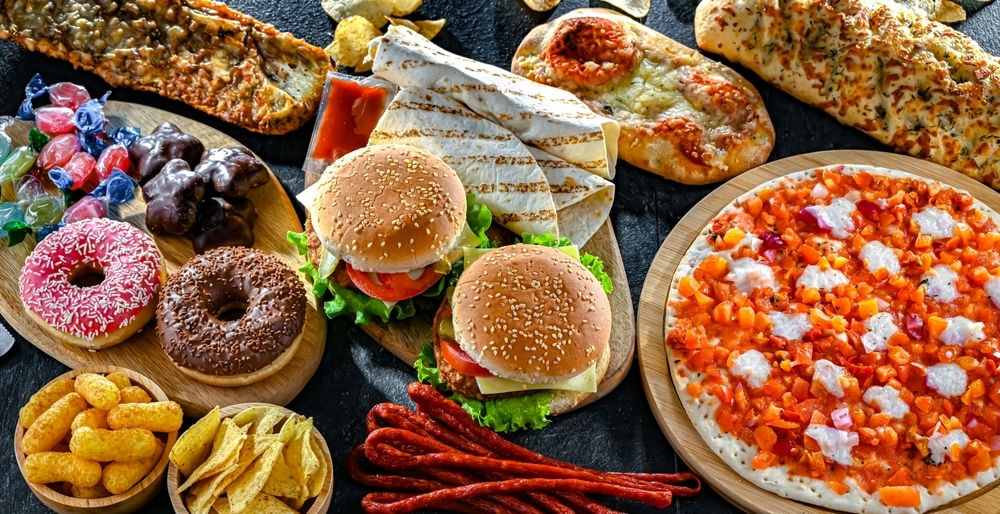
Inflammatory markers can double just six hours after consuming a meal that promotes inflammation. Understanding which foods rank highest on this list is crucial.
Excessive inflammation is linked to serious health issues, including type 2 diabetes, obesity, and heart disease. This raises the question: what triggers the onset of this harmful inflammatory response? While the connection between a chronically high-fat diet and inflammation is well-known, research indicates that the inflammatory effects can surface shortly after just one unhealthy meal.
Hours after indulging in a pro-inflammatory meal, inflammatory markers such as interleukin-6 (IL-6) can spike, often doubling within just six hours. Most studies reveal a rise in IL-6 following the consumption of high-fat meals, which typically include meat, eggs, dairy, oils, and also unhealthy refined carbohydrates like white flour and added sugars.
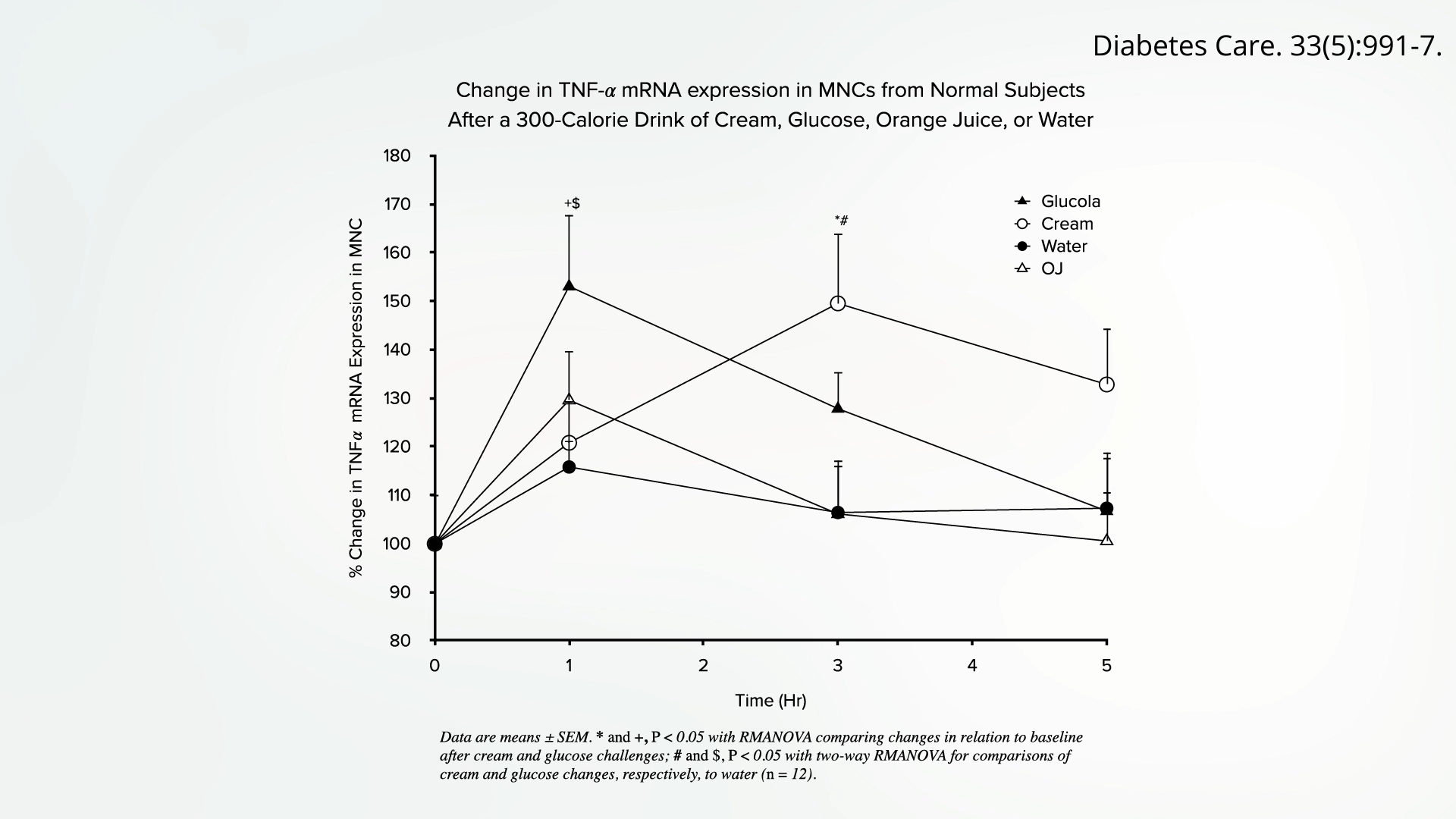
Research shows that even isolated fats, like butter, raise inflammation levels without carbohydrate intake, indicating that fats can be pro-inflammatory on their own. Conversely, consuming just sugar water without fats produces similar inflammatory results. This highlights both sugar and fats as contributors to inflammation, as illustrated in my video
Foods That Cause Inflammation.
The concern surrounding inflammatory responses after eating unhealthy foods is warranted. Persistent low-grade inflammation is recognized as a key player in several chronic diseases with high mortality rates, and diet influences both the onset and attenuation of this inflammation.
As shown in the graph below, IL-6 levels can elevate to about 3 pg/mL post-meal. This threshold is alarming, as sustained levels at this mark correlate with a doubled risk of mortality. Research across multiple studies supports this conclusion, tying increased IL-6 levels to heart disease, which remains the leading cause of death globally, comparable to other major risk factors like high cholesterol.
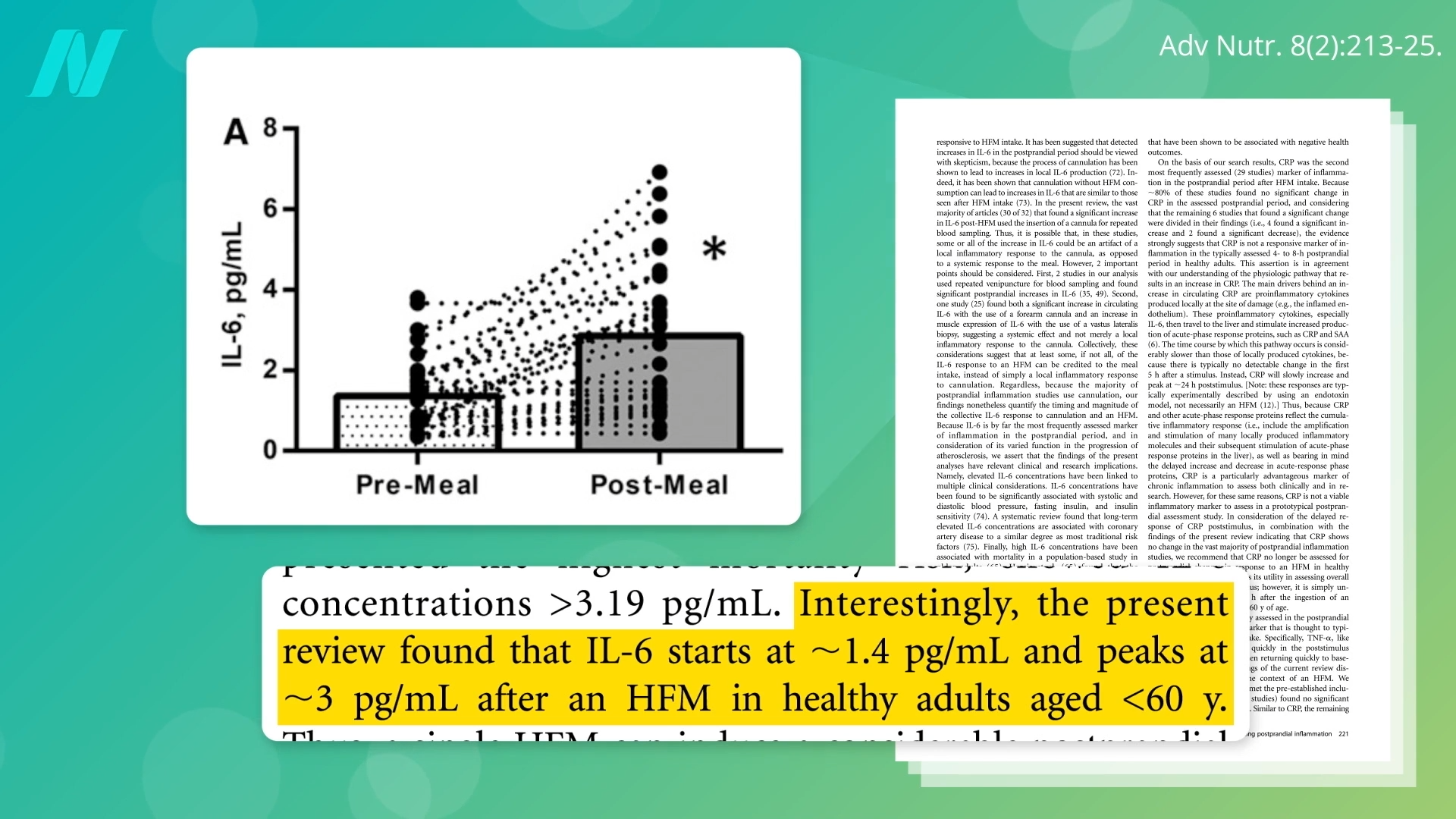
Regularly reaching IL-6 levels around 3 pg/mL increases mortality risk significantly, as shown in studies compiling data from eight similar investigations. This connection underscores the importance of nutrition in preventing health issues tied to elevated inflammation, especially those contributing to heart disease.
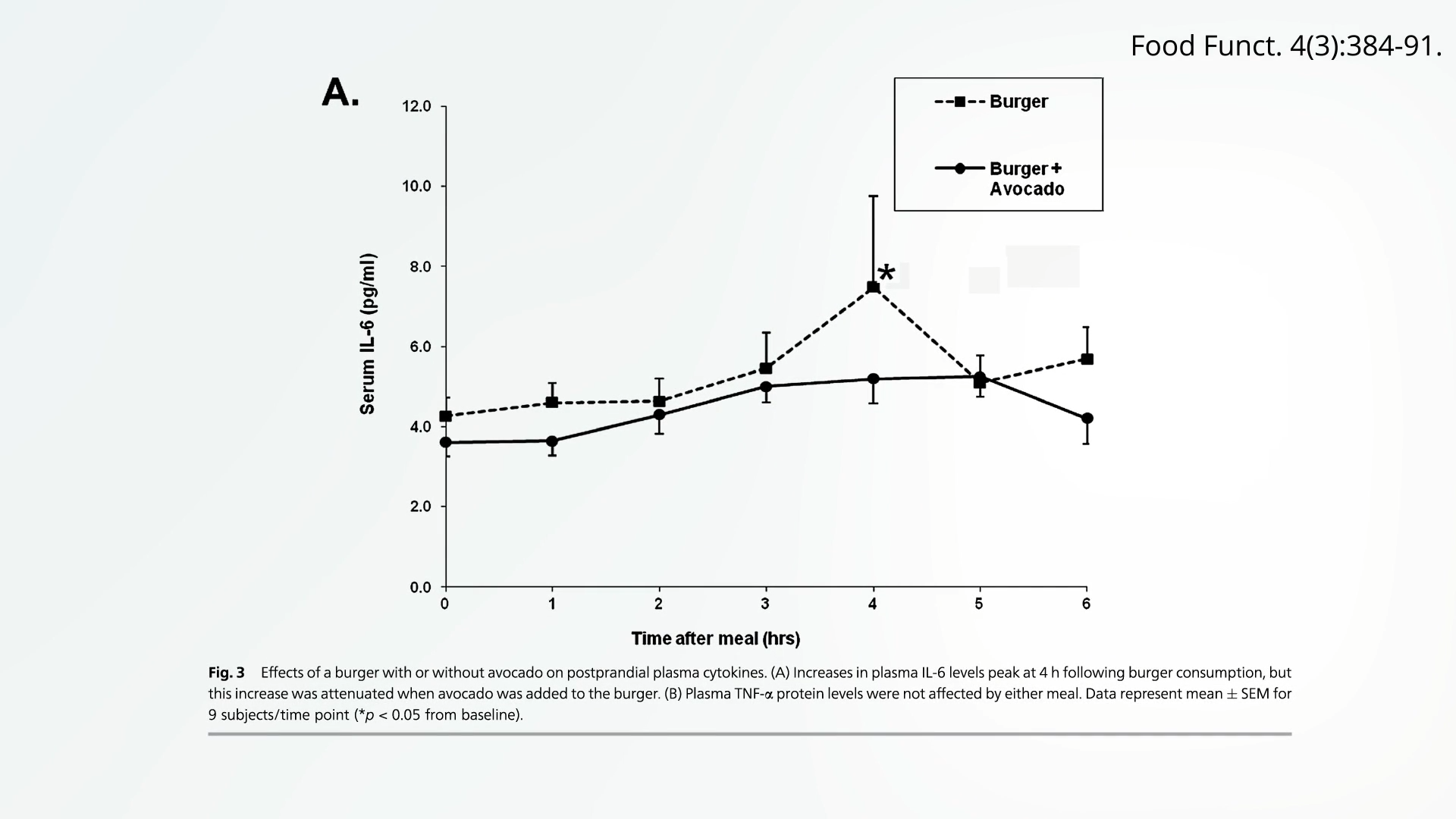
Interestingly, not all high-fat foods induce inflammation. Over a dozen studies indicate that whole plant foods, like nuts, do not elevate inflammatory markers, even with daily consumption of several handfuls. Additionally, pairing half an avocado with a beef burger can mitigate some inflammatory responses linked to the meat, as demonstrated in my video.
Some studies assert that consuming wild game could lower inflammatory markers, given its lean nature compared to store-bought meat. However, consuming excessively fatty meats, regardless of their source, still contributes to spikes in inflammation markers like IL-6, tumor-necrosis factor, and C-reactive protein.
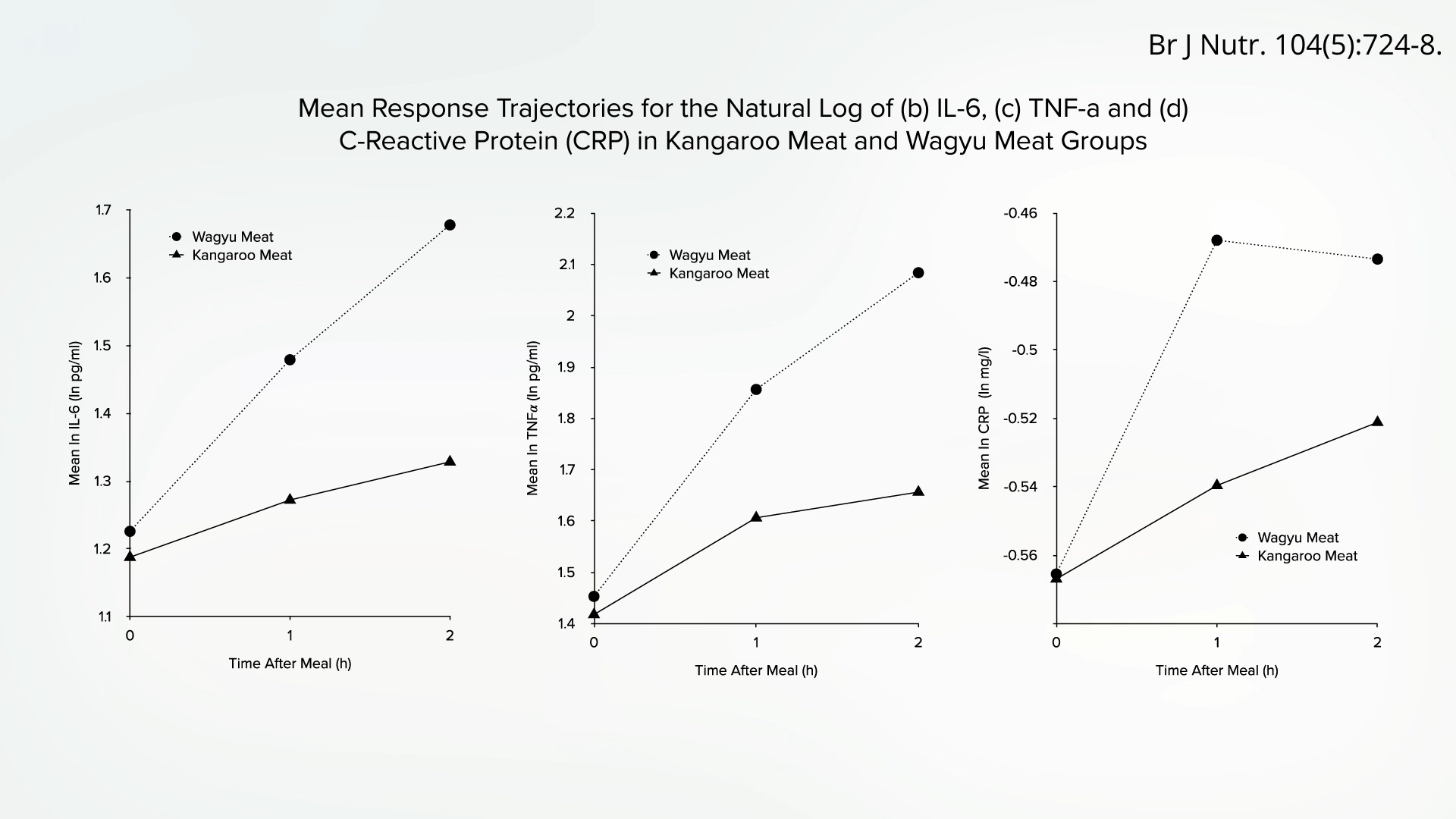
Even though certain lean meats are less inflammatory than conventional options, they still provoke pro-inflammatory responses shortly after consumption.