












Understanding the Impact of Nutrition on Global Longevity
Research into human mortality suggests that dietary choices are the single most significant factor in determining lifespan. While smoking remains a major health crisis, claiming approximately 8 million lives annually, poor nutritional habits contribute to a significantly higher number of deaths worldwide. When analyzing the specific components of a lethal diet, it is not always the obvious culprits like soda or highly processed treats that top the list. Instead, the most dangerous dietary shortcomings involve what is missing from the plate.
The Five Critical Dietary Risk Factors
Data from extensive global health studies indicate that five specific dietary habits are responsible for the highest rates of premature death. These include insufficient intake of fruits, whole grains, and vegetables, combined with excessive sodium consumption and a lack of nuts and seeds. Addressing these five areas can significantly alter long-term health outcomes and lower the risk of chronic disease.
The Multifaceted Health Benefits of Nut Consumption
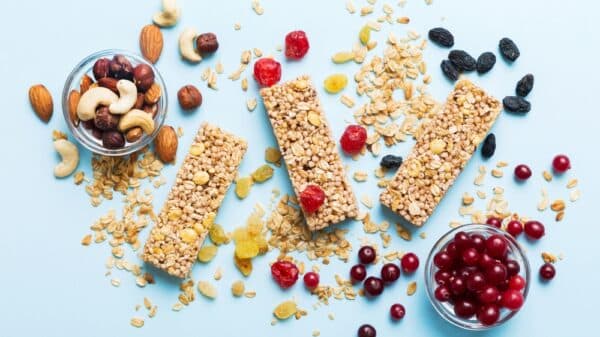
The inclusion of nuts in a daily diet provides a wide range of physiological advantages. Clinical trials have demonstrated that nut consumption directly supports artery function, which is critical given that cardiovascular diseases remain a leading cause of death globally. Beyond heart health, nuts are instrumental in regulating blood sugar levels, reducing systemic inflammation, and lowering cholesterol. They also help combat oxidative stress and act as a fuel source for beneficial gut bacteria, contributing to a healthy microbiome.
The Peanut Butter Paradox: Longevity and Processing
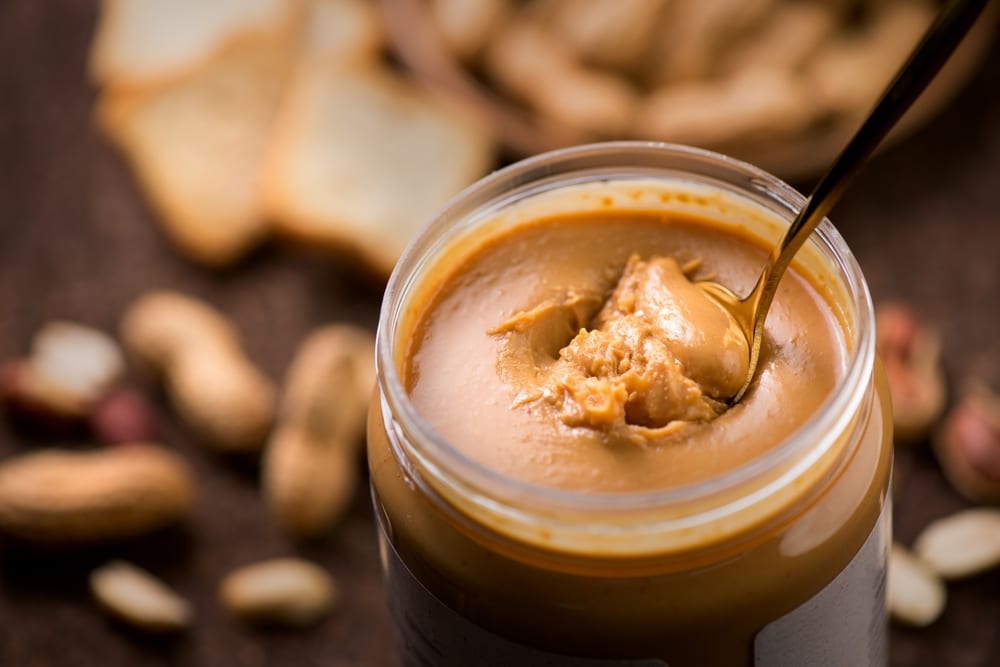
While the health benefits of nuts are well-documented, the relationship between peanut butter and mortality is more complex. Peanuts make up a significant portion of nut consumption in many regions, often in the form of peanut butter. However, large-scale longitudinal research, such as the NIH-AARP study which monitored over half a million participants, highlights a notable discrepancy. While whole nut consumption is consistently linked to a lower risk of death from cancer, respiratory issues, and heart disease, peanut butter does not show the same protective association.
Investigating the Discrepancy Between Whole Nuts and Butters
Several theories exist to explain why peanut butter does not offer the same longevity benefits as whole peanuts or tree nuts. Initially, researchers looked at lifestyle factors, noting that frequent peanut butter consumers were statistically more likely to smoke or exercise less. However, even when these variables—along with alcohol use and general produce intake—were adjusted for, the lack of a longevity link remained. This suggests the issue may lie in the food itself or its processing.
Commercially produced peanut butters often contain additives such as salt, sugar, and oils, including trans fats, which may negate some of the natural benefits of the peanuts. Yet, even when comparing whole peanuts to minimally processed nut butters, the whole versions appear superior in health outcomes.
The Role of Cellular Structure in Digestive Health
One of the most compelling explanations for the superiority of whole nuts over nut butters involves their physical structure. When nuts are ground into a smooth or even chunky butter, their cellular integrity is destroyed. In contrast, when a person eats whole or chopped nuts, the chewing process leaves small particles intact. These microscopic pieces travel through the digestive tract, carrying nutrients that remain trapped until they reach the lower gut. There, they serve as prebiotics, feeding the beneficial flora in the microbiome. This process is largely absent when consuming finely ground nut butters, where the nutrients are absorbed much earlier in the digestive process.
Practical Recommendations for Nut Intake and Health
To maximize the life-extending properties of this food group, it is generally recommended to consume whole or chopped nuts at least three times per week. While all nuts offer benefits, walnuts are often highlighted for their particularly strong impact on arterial health. To avoid unnecessary additives, opting for raw or lightly toasted varieties over those that are heavily salted or oil-processed is the most effective strategy for long-term wellness. Despite their caloric density, evidence suggests that when consumed in moderation as part of a balanced diet, nuts do not necessarily lead to weight gain and instead provide essential satiety and nutrition.
Summary of Key Findings on Nuts and Longevity
In conclusion, while peanuts and tree nuts are powerful tools for reducing mortality and improving metabolic health, the form in which they are consumed matters. The current body of evidence suggests that whole nuts provide unique benefits—likely due to their intact cellular structure and prebiotic effects—that are not replicated by peanut butter. For those looking to improve their health and increase their lifespan, prioritizing whole, raw, or minimally processed nuts over nut butters is a simple yet impactful dietary shift.