
















Healthy lifestyle choices significantly reduce our risk for heart attacks, potentially eliminating up to 90% of instances, while medications provide only a modest 20% to 30% reduction. This stark reality warrants deeper exploration.
Atherosclerosis, which is the hardening of arteries—a leading cause of death—can begin early in life. Research shows that fatty streaks can start appearing in our arteries during our teenage years. A study reviewed approximately 3,000 coronary arteries and aortas from individuals who suffered fatal accidents or took their own lives between the ages of 15 and 34. The findings revealed that the foundational signs of atherosclerosis—fatty streaks—begin forming in adolescence, evolving into more harmful plaques in young adulthood. This progression can lead to heart attacks and strokes, as illustrated in Can Cholesterol Get Too Low?, a video that dives into this alarming trend.
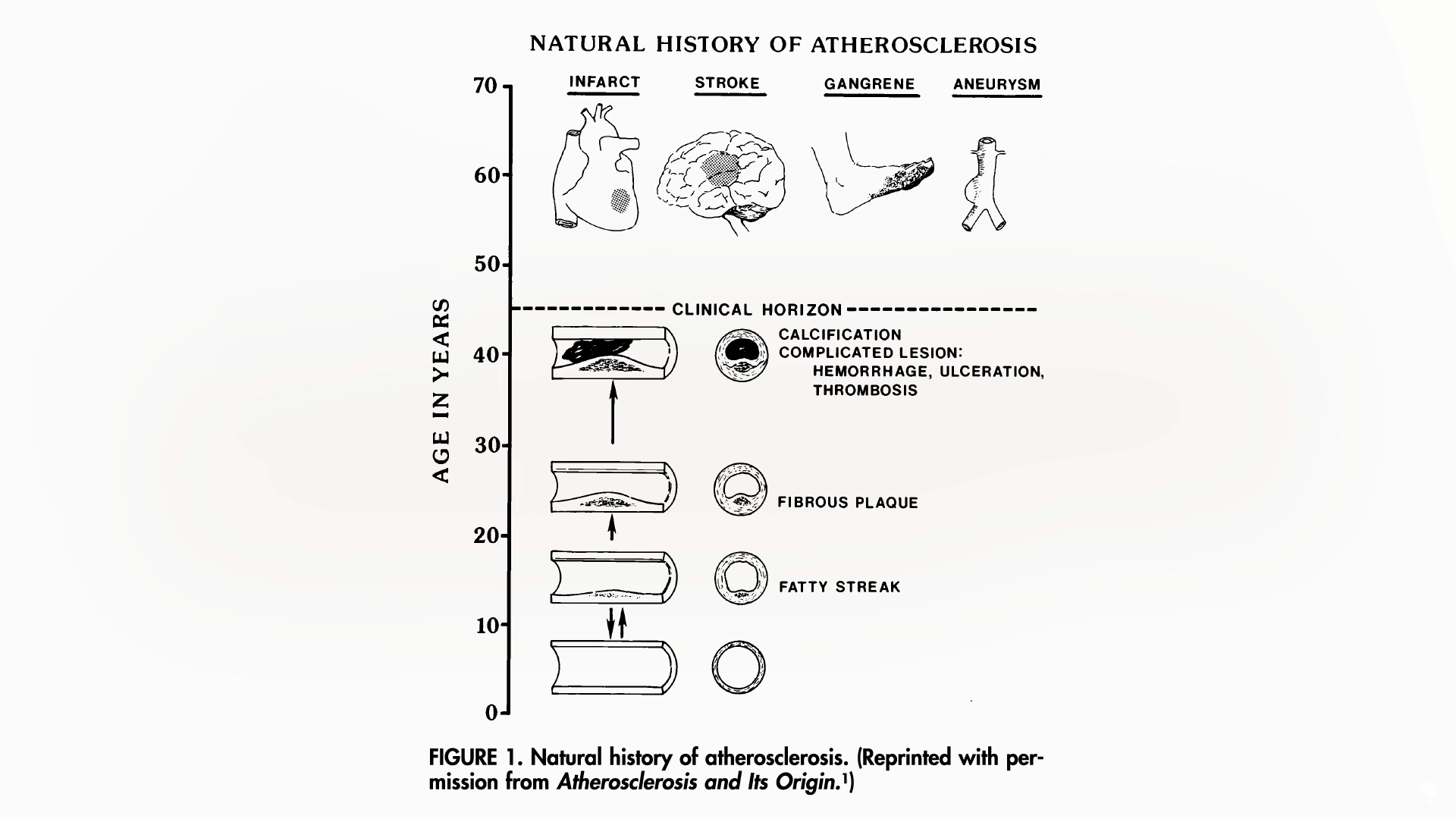
The prevalence of this condition is startling. Every teen in the study had fatty streaks developing within their arteries. By their early 30s, many exhibited a transition from streaks to full-fledged plaques that compromise arterial health.
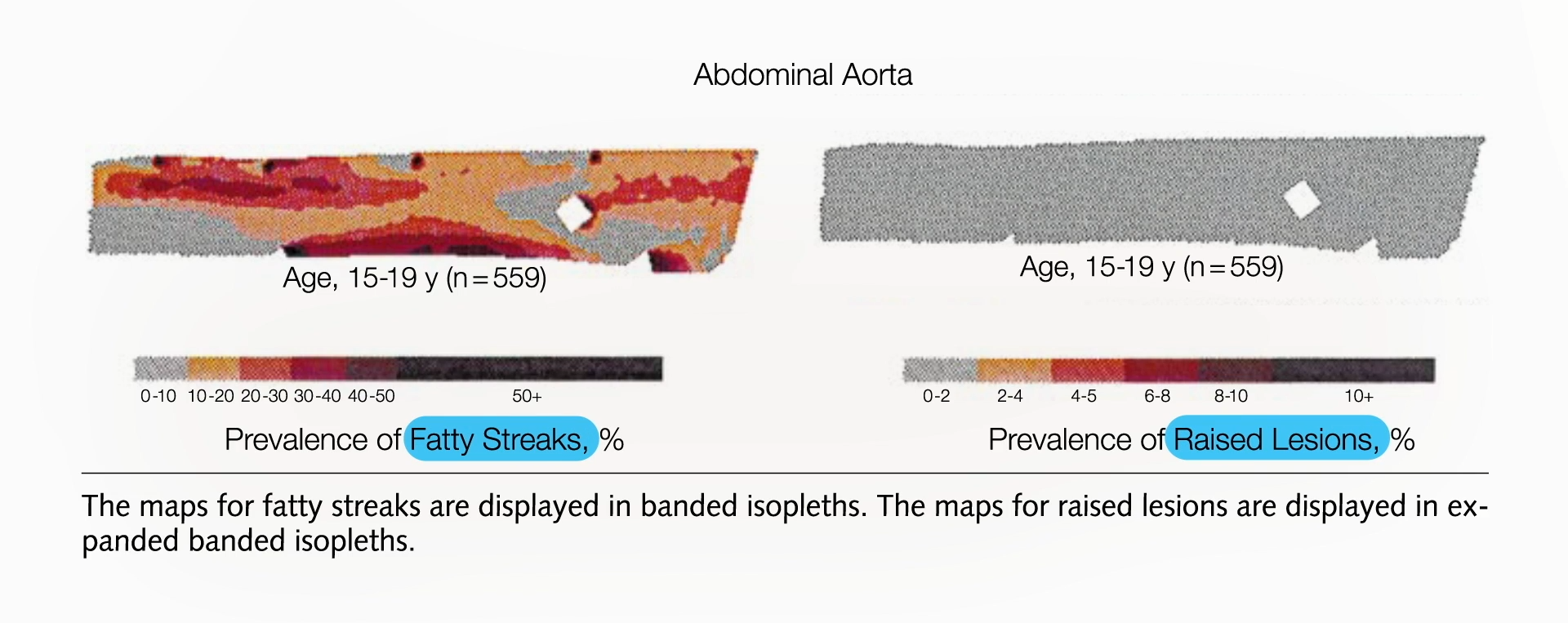
The formation of plaques within the abdominal aorta begins in the early 20s and escalates dramatically by the late 20s. By the time young adults reach their 30s, their arteries may already be significantly compromised, remarkably affecting both the abdominal aorta and the coronary arteries vital for heart function.
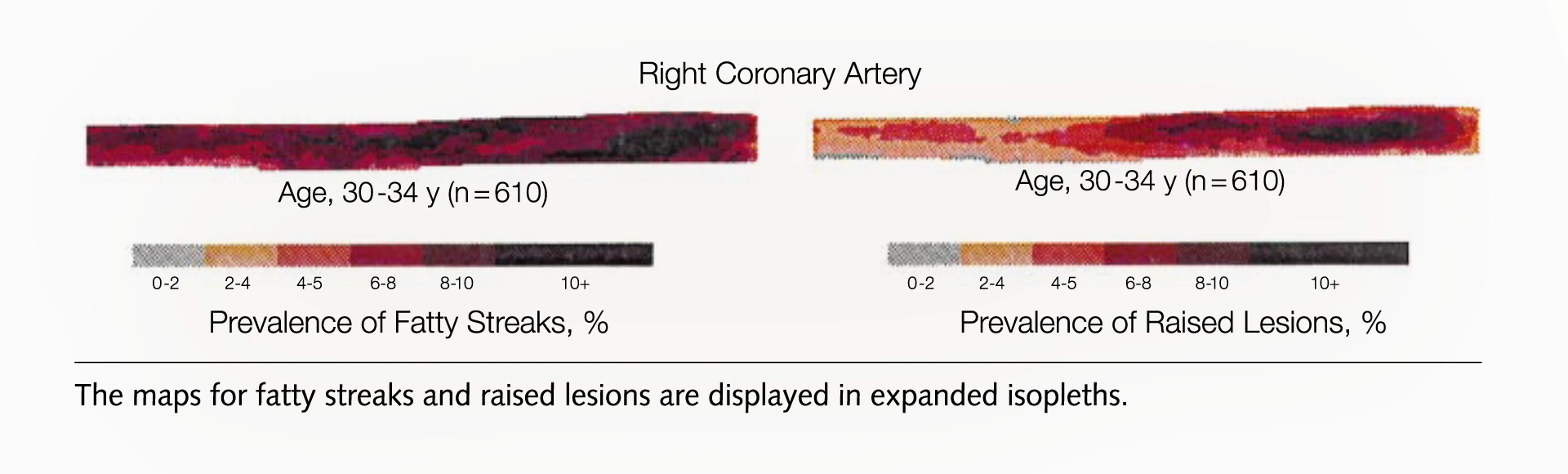
Similar trends were observed in coronary arteries, with fatty streaks prevalent in teenagers and early signs of plaque visible in those in their twenties. By the early thirties, most individuals in the study exhibited plaque in their coronary arteries.
The consequences of atherosclerosis are severe. As a result, precautionary measures should begin as soon as we recognize its potential risk. Lifestyle changes are essential, and diets low in saturated fats and cholesterol can play a pivotal role. Embracing a plant-based diet can significantly counteract this trend. However, making such lifestyle adjustments can take considerable effort, especially since dietary changes often clash with long-standing habits.
Advocating for healthier eating practices, particularly from infancy or early childhood, is imperative. Comparable efforts to reduce smoking rates have shown success, and the journey toward healthier eating can be similarly fruitful. According to the Academy of Nutrition and Dietetics, even strict plant-based diets are suitable across all life stages, from pregnancy onward. Websites such as NutritionFacts.org provide resources to assist in this journey.
A research study published in the Journal of the American College of Cardiology emphasized the need for a shift toward eradicating atherosclerosis. Evidence suggests that lifelong suppression of LDL cholesterol could achieve this. A genetic mutation known as PCSK9, which lowers LDL cholesterol by 40%, is found in about 1 in 50 African Americans. These individuals enjoy significantly reduced coronary heart disease rates, exhibiting an 88% lower risk, despite facing other health challenges.
Moreover, maintaining lower LDL cholesterol levels throughout life appears crucial. A 90% decrease in events like heart attacks correlates with an average LDL level of 100 mg/dL, compared to higher levels in others without the mutation.
This highlights an essential distinction between lifestyle modifications and medication. While medications provide some benefit, initiating healthier practices early in life can significantly enhance heart health and potentially reduce LDL cholesterol levels to safer thresholds.
Ultimately, adopting a heart-healthy diet needs sustained commitment. If relying on medications later in life, levels may need to dip below 70 mg/dL to alleviate disease progression or prevent further heart-related issues. Prioritizing healthier choices can help many individuals manage their cholesterol more effectively.
Can LDL cholesterol levels be too low? The following section will address this vital question.