













While fasting and physical activity are established methods for increasing FGF21—a hormone often referred to as a “systemic enhancer of longevity”—dietary choices offer a more sustainable way to achieve similar results. Emerging research suggests that this hormone may be the crucial link between specific eating patterns and a longer, healthier life. By focusing on particular nutrients and adjusting protein intake, individuals can naturally elevate their FGF21 levels without the need for extreme caloric deprivation.
The Role of Fiber and Complex Carbohydrates
Increasing the intake of starchy, whole foods is one effective strategy for raising FGF21 levels. Specifically, diets rich in whole grains and legumes are beneficial because they provide high amounts of fiber. When beneficial gut bacteria digest this fiber, they produce butyrate, a short-chain fatty acid that has been shown to stimulate the production of FGF21. This process highlights the importance of the gut-hormone axis in maintaining metabolic health.
Optimizing Protein Intake for Metabolic Health
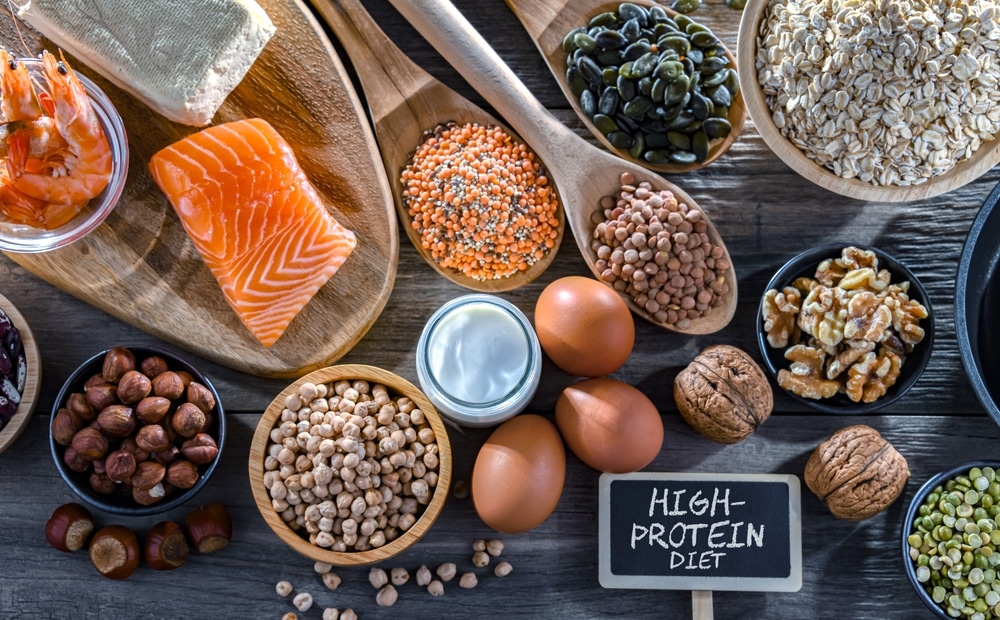
One of the most significant ways to influence FGF21 is through the modulation of protein consumption. In many Western diets, protein intake far exceeds the recommended daily allowance (RDA). For most men, the RDA is approximately 56 grams per day, yet the average intake often exceeds 100 grams. Research indicates that reducing protein intake from these excessive levels down to the recommended amounts can lead to a dramatic surge in FGF21.
In clinical observations, men who lowered their daily protein intake from 112 grams to 64 grams—a level that is still slightly above the RDA—experienced a doubling of their circulating FGF21. Interestingly, this adjustment was associated with increased fat loss even when total caloric intake was higher. This suggests that normalizing protein levels may “rev up” the metabolism, allowing the body to burn fat more efficiently through FGF21-mediated pathways.
Rapid Improvements in Insulin Sensitivity
The metabolic benefits of protein adjustment appear almost immediately. One study demonstrated that reducing protein intake to 73 grams per day resulted in a sixfold increase in FGF21 levels within just one week. This surge was accompanied by a measurable improvement in insulin sensitivity. These findings suggest that “protein dilution”—or simply consuming the correct amount of protein rather than an excess—is a powerful tool for promoting metabolic stability and longevity.
Lessons from the Longest-Living Populations
The connection between low protein intake and longevity is supported by historical dietary patterns. For example, the traditional Okinawan diet, known for producing one of the world’s longest-living populations, derived only about 9% of its calories from protein. Modern studies using similar protein ratios have consistently shown higher FGF21 levels, providing a potential biological explanation for the health and survival advantages observed in these communities.
The Impact of Methionine and Plant-Based Nutrition
Beyond total protein quantity, the type of protein consumed matters significantly. Methionine, an amino acid found in high concentrations in animal products, plays a role in regulating FGF21. Restricting methionine has been identified as a key factor in “metabolic reprogramming.” Because legumes like beans, lentils, and chickpeas contain roughly three times less methionine than meat, plant-based diets naturally facilitate this restriction.
FGF21 may also be a primary mediator in the success of whole-food, plant-based diets in treating chronic conditions. While these diets are well-known for reversing heart disease and lowering cholesterol, the high levels of FGF21 found in plant-based eaters suggest a deeper level of cellular protection against obesity, diabetes, and inflammation. Data shows that vegans typically have significantly higher circulating FGF21 than omnivores. Furthermore, switching to a meat-free diet can cause FGF21 levels to skyrocket by over 200% in as little as four days.
Final Takeaways for Longevity
The evidence suggests that while various fasting techniques can be beneficial, their long-term efficacy for aging and metabolic health is significantly enhanced when paired with a high-nourishment, plant-forward diet. By aligning protein intake with recommended daily allowances and prioritizing fiber-rich plant foods, individuals can harness the longevity-boosting power of FGF21. This approach offers a practical and scientifically backed alternative to the “typical” high-protein diet, focusing on metabolic efficiency and long-term wellness rather than just caloric restriction.