





Nutrition
Your gut collaborates with your mind more than you realize. Scientists frequently call the gut the “second brain.” This fascinating connection between your digestive...

Hi, what are you looking for?

The Beginner’s Guide To Ultralight Trekking For Trail Wellness And Comfort
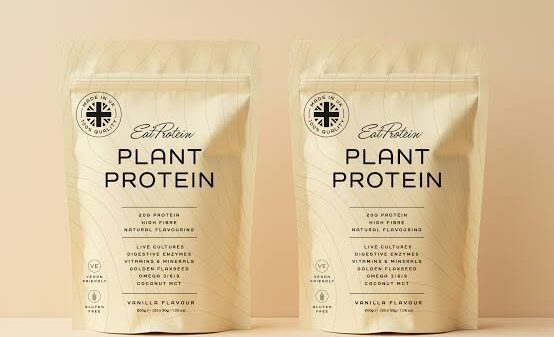
5 Collagen And Protein Brands For Women To Compare In 2026

6 Best Personal Trainers In NYC For Building Muscle After 40 In 2026

A Six-Week Body-Preparation Plan For Your First Ski Holiday

Prevent Mobility Loss Before It Starts: Why Cardio Fitness Matters For Healthy Aging

The Budget-Conscious Fitness Guide: How to Eat High-Protein and Build Muscle on the Cheap
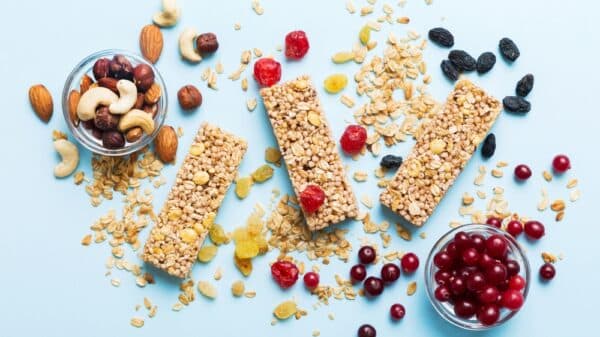
How You Can Still Enjoy Snacks And Lose Weight
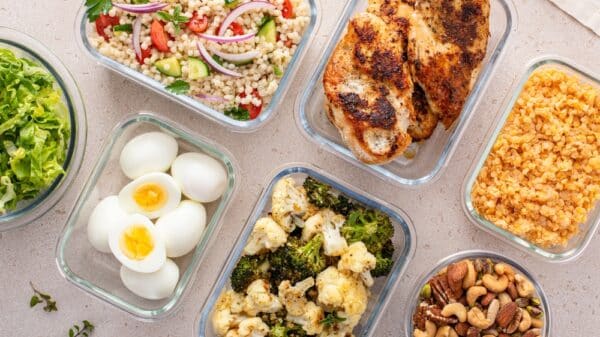
Here’s How Much Protein You Really Should Be Taking for Your Training Goals

Dwayne ‘The Rock’ Johnson’s Pre-Workout Shake: The Rice & Protein Blended Formula

New Study Reveals the Optimal Daily Fasting Window for Maximum Mental Clarity

Every trip to the supermarket is a shock to budget-strapped Americans. The cost of a grocery haul just seems to be going up and...
Trying to lose weight can sometimes feel as though you’ve been handed a long list of things you can no longer enjoy. Chocolate? Off...
Perhaps the most debated, not to mention maligned, topic in the fitness world is how much protein we need. And if you’ve done any...
Former WWE Champion turned Hollywood megastar, Dwayne “The Rock” Johnson shot to fame with his electrifying catchphrase, “Can You Smell What The Rock is...
Your gut collaborates with your mind more than you realize. Scientists frequently call the gut the “second brain.” This fascinating connection between your digestive...


Seasonal illnesses, such as the flu or common cold, don’t just lead to missed workdays; they can disrupt our workouts and overall fitness routines....


Key Takeaways Cherries deliver numerous health advantages thanks to their rich combination of antioxidants, vitamins, minerals, and fiber. Research indicates that cherries may enhance...


Hydration impacts every aspect of your well-being. Water is the clear go-to choice for staying hydrated, but let’s not overlook the role of warm...


Key Takeaways Regular consumption of blackberries can support brain health and may ward off memory-related issues. They offer protective benefits to heart health, helping...
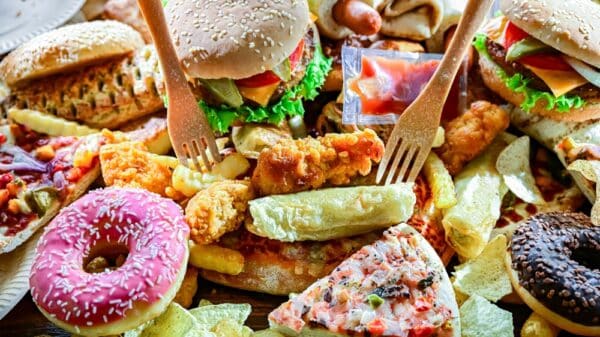

The detrimental impact of processed foods on our fitness journeys is becoming clearer than ever. Research shows that additives like salt, sugar, unhealthy fats,...


Key Takeaways Simple ways to add potassium to your dishes include substituting red meat with fish or plant-based proteins, choosing tomato sauces over cream,...


A diet high in saturated fats—including foods like red meat, palm oil, and whole milk—can elevate cholesterol levels. Research indicates that swapping these fats...


Key Takeaways Monk fruit is a no-calorie, no-carbohydrate sugar substitute, which may help manage weight and blood sugar. Monk fruit may have health benefits...


Nuts are a crunchy, satisfying snack that combines fiber, protein, and healthy fats in a single handful. Regular consumption of nuts, especially varieties like...